
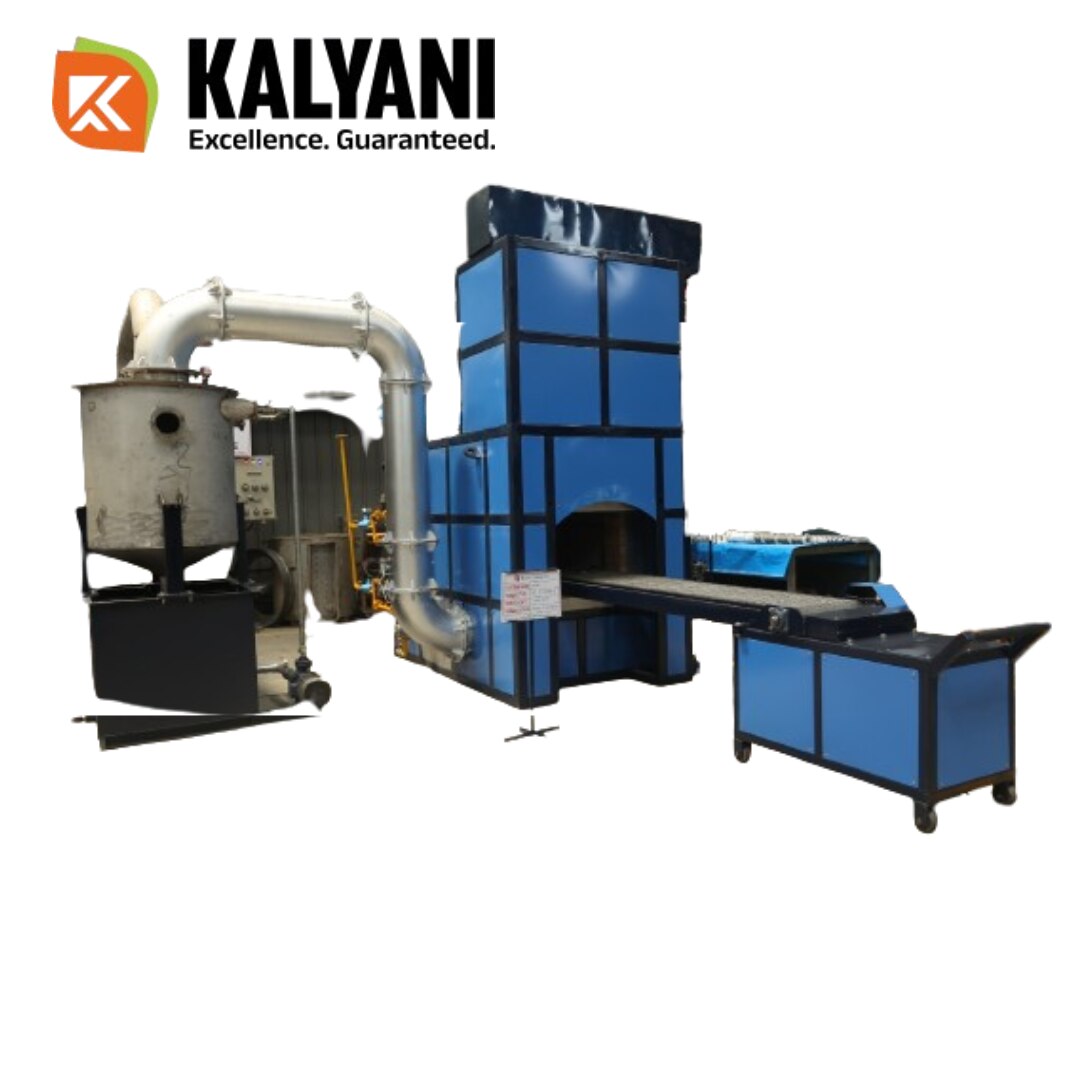
After a shutdown, exhaust gas is not a stored fuel waiting to be collected: it is a hot, contaminated mixture that must be purged, cooled and monitored. You will be able to distinguish heat recovery from fuel-gas recovery, follow the correct response for each shutdown fault, and define measurable conditions for safe access and restart.
Key takeaways
- Treat gas recovery as heat recovery, not storage of residual flue gas.
- Purge the chamber and flue before opening doors or restarting fuel.
- Match isolation and restart checks to gas-fired, electric or hybrid equipment.
- Record shutdown causes, temperatures, alarms and maintenance actions every time.
What “gas recovery” means after a pet animal incinerator shutdown
Gas recovery after shutdown is not usually storage of exhaust, evacuation of residual flue gas, or restarting the fuel system. Pet animal incinerator gas recovery normally means recovering sensible heat from hot flue gas; residual gas is managed through controlled burnout and purging, not collected as fuel.
Ordinary pet animal incinerator gas contains combustion air, carbon monoxide, acid gases, particulates and organic contaminants. Do not route it to a gas holder or fuel-gas line.
- An air-to-air or air-to-water exchanger recovers sensible heat.
- A scrubber, filter or other treatment system reduces pollutants.
- Combustible-gas recovery requires gas analysis, explosion protection, pressure-rated storage, non-return isolation and a controlled end use.
Install an exchanger only after checking its temperature profile, pressure-drop calculation, fouling allowance and material compatibility. As gas cools through about 200–450 °C, fly ash and catalytic metals can promote chlorinated organic compound formation. Controlled cooling and particulate control limit that risk; unsuitable cooling creates acidic condensate and contaminated dead zones.
The exchanger must not reduce furnace negative pressure, secondary-chamber residence time or induced-draft capacity. Check fan-curve margin, damper authority and worst-case fouling before installation. A thermally effective exchanger that causes smoke leakage through doors or unstable draft is a failed recovery system.
The shutdown sequence for normal operation, power loss and emergency stop
After the final charge, treat the pet animal incinerator gas as hot, contaminated process gas—not gas that is immediately safe or recoverable as fuel.
1. Stop waste charging and record the final charge time.
2. Stop the burner or fuel command. Verify fuel shutoff valves close.
3. Keep the prescribed combustion-air and induced-draft fan operation running through the burnout and purge period. The interlocked air system and induced-draft fan keep negative pressure, limiting carbon monoxide and smoke leakage through doors, seals and inspection ports while refractory remains hot.
4. Confirm damper position, fan status and the approved exhaust route before allowing controlled ventilation.
5. After burnout and purge, allow the chamber and ductwork to cool under controlled ventilation. Do not route exhaust to a gas holder or fuel-gas line.
6. For normal shutdown, complete the sequence and log temperatures, oxygen, carbon monoxide, alarms and interlock status.
7. For mains power failure, verify fail-safe fuel closure. Follow the defined fan and damper response, keep personnel out, and never open the chamber while gas combustion or hot-gas release may continue.
8. For flame failure, leave the chamber closed, confirm fuel isolation and complete the programmed purge before investigation.
9. For an emergency stop, isolate fuel, restrict access and maintain emergency ventilation where the risk assessment permits. Call the responsible supervisor; do not repeatedly reset controls.
10. For an aborted cremation cycle, stop charging, isolate fuel and complete the same burnout, purge and cooldown controls.
CPCB figures—about 1,050 ± 50 °C, two seconds’ gas residence time and at least 3% stack oxygen—are operating criteria, not cooldown clearance limits.
When the chamber, ash door and flue become safe to open
A fixed waiting time is unsafe: cooldown depends on refractory mass, charge size, ambient conditions, fan operation and measured temperatures. Record burner-off time, chamber and stack temperatures, oxygen and carbon-monoxide readings when instruments are fitted, fan status and damper position. Smoke disappearing proves nothing; carbon monoxide is colourless and odourless.
Before opening, complete these checks:
- Isolate and verify fuel shutoff, complete the prescribed purge, and confirm the exhaust route.
- Confirm negative pressure, not positive pressure, at the chamber and doors.
- Ventilate the room and test surrounding air with a calibrated portable CO meter.
- Obtain the furnace manufacturer’s and site risk assessment’s lower temperature threshold for each access point.
- Stop if smoke, pressure discharge or an unsafe CO reading remains.
| Access point | Separate hazard | Evidence required |
|---|---|---|
| Chamber or ash door | Hot refractory, embers and trapped gases | Recorded temperature below the specified threshold, safe CO reading, negative pressure and no discharge |
| Inspection port | Hot metal and pressure change | Isolated fuel, completed purge and controlled opening |
| Ductwork | Residual gas and heat | Written permit or confined-space procedure; never a surface thermometer alone |
| Stack access | Hot surfaces and changing draft | Authorised isolation, ventilation and verified atmosphere |
Ash is part of pet animal incinerator recovery and pet animal incinerator maintenance. Cool bottom ash and fly ash, control dust, isolate embers, and arrange authorised disposal because ash can contain adsorbed metals and organic pollutants.
Fault-specific isolation and restart checks for gas-fired, electric and hybrid units
Each fault demands a different isolation decision. A gas leak requires closing the upstream manual valve, removing ignition sources, evacuating the area and testing the gas train before any reset.
After flame failure, keep the chamber closed, confirm fuel valves have shut, complete the programmed purge, then inspect the ignition electrode and flame sensor. For a blocked flue or failed induced-draft fan, do not fire again: isolate fuel, maintain exclusion, and clear the obstruction only when cool and authorised.
An over-temperature trip requires checking the thermocouple, controller and cooling response. A draft fault requires inspection of the stack, damper, fan curve and leakage points.
Unit type changes the hazard profile:
| Option | Remaining hazards | Restart decision |
|---|---|---|
| Electric | Hot refractory, smoke and stored heat; no fuel train or flame | Verify cooling, ventilation, controls and draft |
| Gas-fired | Fuel, ignition, flame and purge hazards | Prove fuel isolation, leak-free gas train and purge sequence |
| Hybrid | Both electrical heat and fuel hazards | Complete both isolation and restart sequences |
- Reset burner lockout only after the cause is recorded.
- Leak-test the gas train; verify solenoid position and regulator pressure.
- Check the ignition electrode and flame-sensor operation.
- Confirm fan operation, damper position and control-panel fault history.
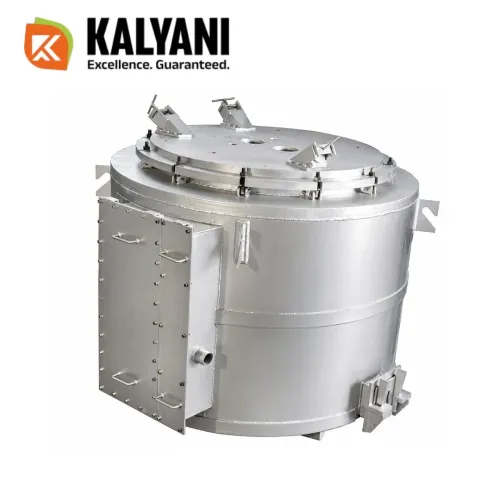
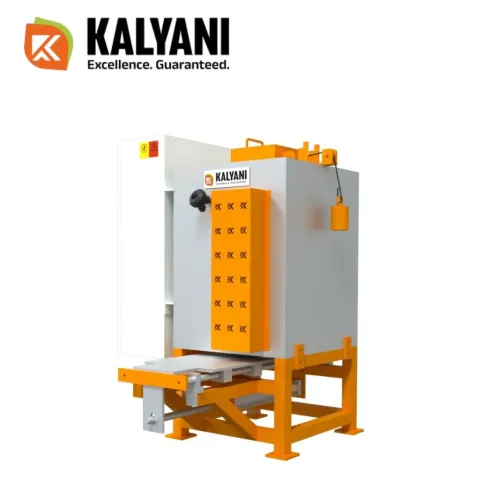
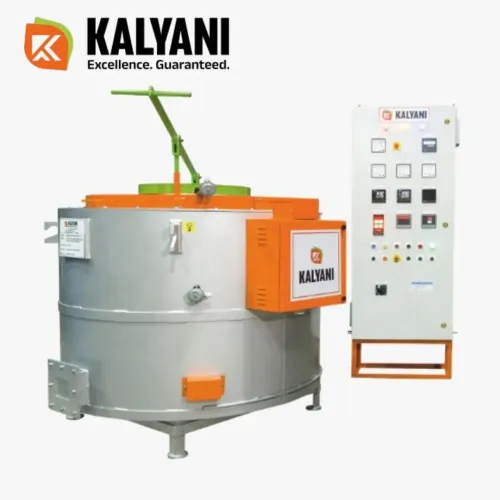
Good pet animal incinerator maintenance makes pet animal incinerator recovery repeatable. KALYANI FURNACES INDIA PVT LTD can help Pune operators check the installed fan, interlock, burner and recovery arrangement as one pressure-and-temperature system.
Related product
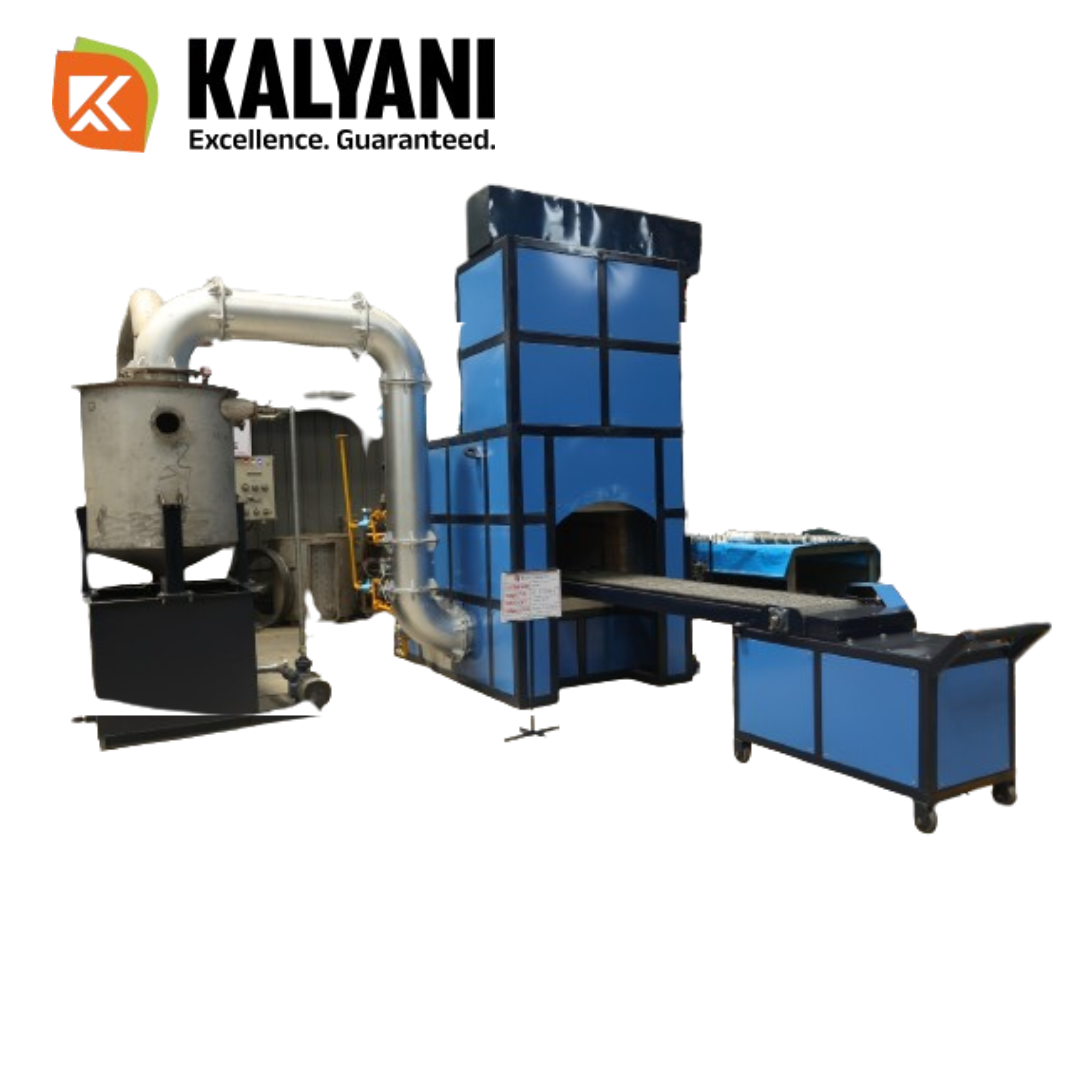 | CREMATORIUM & INCINERATORS Pet Animal Incinerator (Gas / Electric / Hybrid) Product Overview The Pet Animal Incinerator (Gas / Electric / Hybrid) by Kalyani Furnaces India Pvt. Ltd. |
The shutdown record and maintenance plan that make recovery repeatable in Pune
A repeatable pet animal incinerator gas recovery record starts with measured events, not “cooled down.” Enter the final charge time, burner-off time, chamber and stack temperatures, oxygen and carbon-monoxide readings, ID-fan status, damper position, alarms, interlocks, ash-removal status, fuel-isolation confirmation and the time personnel entry was permitted.
1. After the furnace is cold, inspect refractory cracks, burner-tile damage, warped doors, failed gaskets, expansion-joint leaks and ash buildup. Record photographs, locations and repair limits.
2. During hot operation, verify negative pressure at the chamber, absence of door leakage and stable draft across the operating range. Thermal cycling matters: patching refractory without correcting air leakage or mechanical movement produces a short-lived repair.
3. Before approving a heat-recovery modification, check exchanger fouling, acidic condensate, material compatibility, pressure drop, induced-draft fan static-pressure margin and damper authority under worst-case fouling and load. A thermally effective exchanger that removes negative pressure is a failed installation.
4. Match the Pune operating decision to Maharashtra Pollution Control Board requirements and the facility’s approved waste category. Confirm required stack monitoring, emissions testing, ash handling and operating records; ash containing embers, metals or organic pollutants needs controlled handling and authorised disposal.
5. Do not restart until the fault cause is identified, the gas path is clear and every interlock is tested. The record must show measurable release conditions, including temperatures, oxygen, carbon monoxide, pressure and fan status, rather than the phrase “cooled down.” This is the core of pet animal incinerator maintenance.
Frequently asked questions
What does gas recovery mean after a pet animal incinerator shutdown?
It normally means recovering sensible heat from hot flue gas. Residual pet animal incinerator gas is managed through controlled burnout and purging, not collected as fuel.
When is a pet animal incinerator safe to open after shutdown?
Open the chamber, ash door or flue only after the prescribed cooldown, combustion has stopped, fuel and electrical supplies are isolated, and the atmosphere and surfaces have been checked.
What checks are needed after a power loss or emergency stop?
Identify the fault, isolate fuel and electrical energy, confirm purge and ventilation, inspect burners, fans, interlocks and refractory, then complete the manufacturer’s restart sequence.
What should a pet animal incinerator maintenance record include?
Record the shutdown date and cause, chamber and flue temperatures, alarms, purge status, isolation points, inspection findings, corrective work and restart approval.