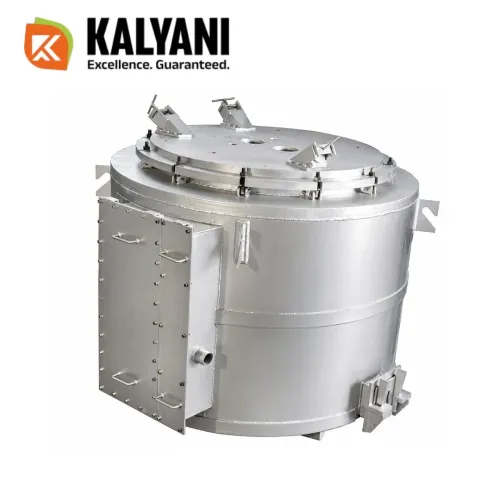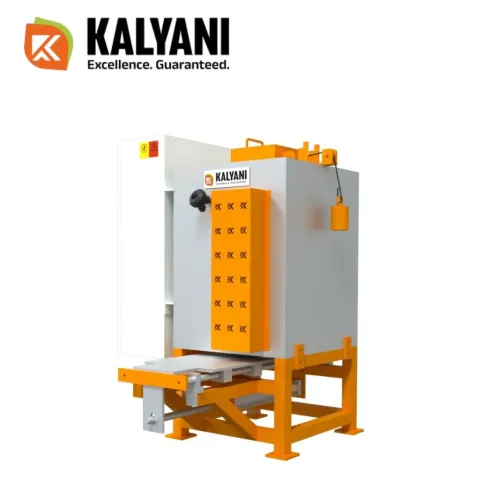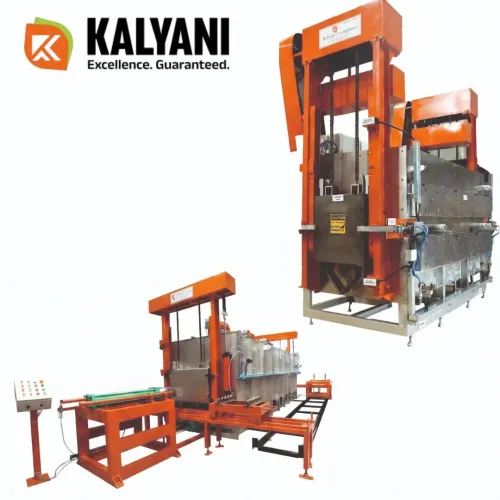

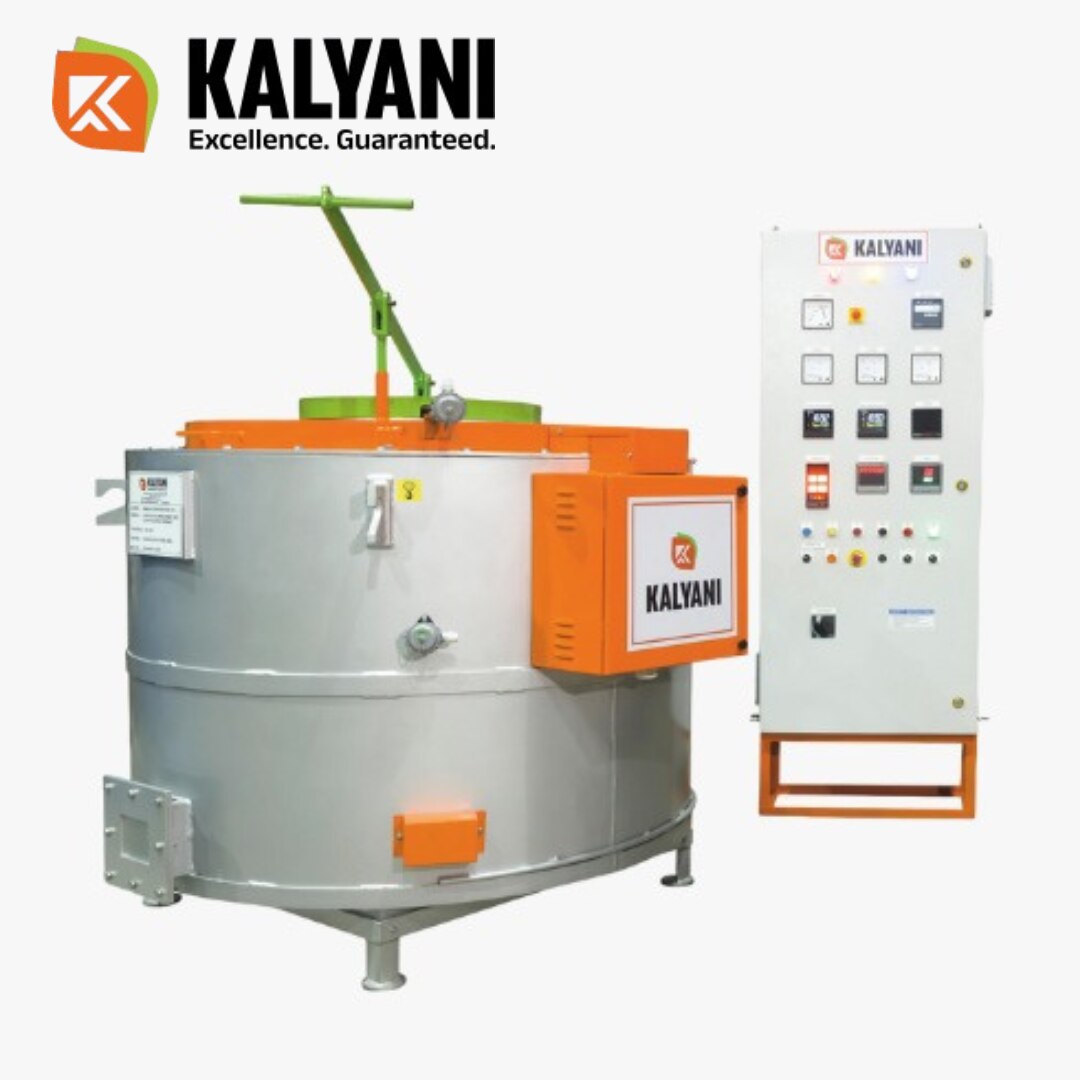
A holding furnace is not a smaller melting furnace: it receives molten aluminium after melting and keeps a usable bath ready for casting without avoidable oxidation, dross, heat loss, or contamination. By comparing capacity, heating method, refractory design, controls, installation requirements, and after-sales evidence, you can separate a production-ready quotation from a nominal-capacity offer.
Key takeaways
- Size the furnace by usable bath capacity and hourly throughput.
- Compare electric, gas-fired, and heat-recovery options against aluminium quality risks.
- Demand drawings, datasheets, controls documentation, and commissioning support.
- Make payment conditional on documented temperature, throughput, and leak tests.
What an aluminium holding furnace does after melting
A holding furnace keeps molten aluminium at a casting-ready temperature after melting, limits surface exposure and heat loss, and delivers metal through a controlled outlet or transfer arrangement. Its job is stable residence time, delivery rate, bath control, and temperature recovery after charging—not converting solid charge into liquid metal.
Map the process before requesting quotations:
- Melting: use a melting furnace to convert ingots, returns, or other solid charge into liquid aluminium.
- Transfer: move the metal to the holding furnace using a transfer ladle or pump arrangement.
- Holding: maintain temperature and bath depth while casting demand fluctuates.
- Treatment: degas the metal or remove inclusions when required.
- Casting: supply the machine at the specified rate through the discharge outlet.
| Equipment | What it does | When it is the wrong choice |
|---|---|---|
| Melting furnace | Converts solid aluminium into liquid metal | Wrong when you need controlled long-duration holding after melting |
| Ladle-preheating furnace | Heats an empty ladle before metal transfer | Wrong for storing or temperature-controlling aluminium |
| Transfer ladle | Moves molten metal between stations | Wrong when residence time, recovery, and controlled delivery matter |
| Degassing machine | Treats dissolved hydrogen and inclusions | Wrong as a replacement for a heated holding vessel |
When comparing an aluminium holding furnace in Pune, size it from metal-transfer rate and required residence time, not the casting machine’s nominal shot size. Specify usable capacity separately from gross volume because freeboard, refractory lining, dross allowance, and minimum safe bath depth reduce available aluminium.
Specify usable capacity, throughput, and the measurements that matter
Size the furnace from metal flow, not gross vessel volume or casting-machine shot size. Multiply the required aluminium transfer rate by planned residence time, then add defined reserve for transfer delays, production interruptions, and the minimum safe bath depth.
1. Calculate the duty: required throughput in kilograms per hour, batch size, planned residence time, transfer time, number of transfers per shift, and reserve capacity. Do not treat one casting shot as the furnace’s required capacity.
2. State capacity in two figures: usable holding capacity in kilograms or tonnes and gross internal volume. Deduct freeboard, refractory lining, dross allowance, and the minimum safe bath depth from gross volume.
3. Ask an aluminium furnace supplier in Pune for written data covering the operating-temperature range, maximum permitted metal temperature, temperature uniformity, control accuracy, heat-up and recovery time, heating method, burner or electrical power, refractory and insulation layers, charging arrangement, discharge outlet, tilting geometry, and control-panel details.
A high pouring lip, dead zones, or poor tap-out geometry leaves metal at the bottom. That residual aluminium lowers yield, contaminates the next alloy, increases cleaning time, and creates a hot-metal safety hazard.
Require the supplier to show the residual-metal quantity after draining, dross removal access, freeboard at the stated working level, and the complete transfer path.
Compare heating methods, heat recovery, and aluminium quality risks
Gas-fired units suit sites with available fuel, combustion air, ventilation, and exhaust routing. Verify fuel type and pressure in Pune before accepting quoted output. Oil-fired designs add a tank, filtration, atomisation, fuel lines, and burner maintenance.
Electric-resistance designs run cleanly with direct control, but the quotation must state voltage, phase, connected load, maximum current, cable terminations, earthing, power factor, and panel rating.
| Option | Strength | Site demand and quality risk |
|---|---|---|
| Gas-fired | High recovery and established combustion infrastructure | Combustion train, purge sequence, flame supervision, shutoff valves, air supply, exhaust; flame or atmosphere faults can oxidise metal |
| Oil-fired | Useful where oil supply is practical | Storage, filtration, atomisation, ventilation, and frequent burner service; leaks and poor combustion add contamination risk |
| Electric-resistance | Clean operation and straightforward temperature control | Large electrical connection; excessive temperature still increases oxidation, hydrogen pickup, dross, and refractory attack |
| Immersion-heated | Heat stays close to the aluminium bath, improving recovery | Protect heaters from damage and specify compatible sheath and refractory materials; failure can contaminate the bath |
Choose an industrial holding furnace from a written duty cycle, not catalogue capacity. State cold starts, overnight holding, lid openings, charging, alloy transfer, interruptions, heats per day, and ambient conditions. Ask for heat-up time, recovery after charging or pouring, temperature uniformity, control accuracy, alarm limits, and maximum metal temperature.
Keep the bath covered where practical. Excessive temperature, long residence time, or broad surface exposure increases oxidation, dross, hydrogen pickup, refractory attack, and energy use. A low-emission electric unit is not automatically the best choice if recovery demand exceeds the site’s electrical capacity.
Compare a holding furnace manufacturer in Pune on documents and site support
A credible holding furnace manufacturer in Pune earns comparison on documented design and site support, not its address. Request these documents before discussing price:
- General arrangement drawing, foundation loads, layout and service clearances.
- Heat-balance or fuel-consumption basis, rated capacity, usable capacity, control accuracy, electrical load or fuel pressure.
- Refractory specification, insulation details, thermocouple or immersion-probe type, sensor location, calibration method, and replacement procedure.
The quotation must itemise the furnace body, refractory, heating system, controls, lid or tilting mechanism, charging equipment, exhaust or chimney work, installation, commissioning, freight, taxes, and civil or electrical works. Bundling hides site costs and makes a cheaper offer impossible to audit.
| Check | Evidence to request | Why it matters |
|---|---|---|
| Safety | Over-temperature, flame-failure, door-position, overload, low-metal-level, hydraulic-pressure-loss interlocks | Prevents unsafe heating, movement, or draining |
| Operation | Emergency shutoff, controlled draining, hot-surface guarding, dross access | Limits injury, metal loss, and difficult cleaning |
| Support | Installation, refractory repair, controls support, spare-parts response, commissioning, operator training | Shows who protects uptime after delivery |
An aluminium furnace supplier in Pune may fabricate elsewhere yet provide faster local commissioning and repairs; verify response times in writing. Include KALYANI FURNACES INDIA PVT LTD in the comparison only after confirming its holding-furnace scope and these services, rather than treating a catalogue or Pune registration as proof of capability.
Make the purchase conditional on acceptance tests and warranty scope
Make final payment for an aluminium holding furnace in Pune only after a written acceptance test passes. Define heat-up time, empty and loaded energy consumption where agreed, recovery after charging or pouring, temperature uniformity at named measurement points, alarm and interlock operation, insulation resistance, gas-train pressure tests where applicable, and controlled draining or leakage checks.
Specify the measurement arrangement, not merely “temperature control”:
- Identify each thermocouple or immersion probe, sheath material, immersion depth, calibration method, and replacement procedure.
- Measure bulk-metal temperature away from refractory and the surface; a poorly placed sensor can approve a cold or overheated bath.
- State the duty cycle: cold starts, heats per day, overnight holding, lid openings, transfer method, and Pune ambient conditions.
Compare offers against measured commitments:
| Offer evidence | What to verify | Why it matters |
|---|---|---|
| New equipment | Refractory installation records, controller and sensor condition, insulation-resistance results | Exposes commissioning risks |
| Converted or refurbished unit | Heater or burner history, pressure-test records, lining repairs, maintenance schedule | Reveals inherited failure points |
| Warranty | Coverage for refractory, heaters, burners, thermocouples, controls, hydraulics, and lining repairs; duration and operating limits | Prevents disputed downtime claims |
| Service offer | Drawings, installation readiness, commissioning plan, and Pune response time | Protects production after delivery |
Choose the aluminium furnace supplier in Pune that demonstrates capacity, recovery behaviour, and service readiness—not the lowest nominal price. If warranty exclusions omit refractory or impose unstated temperature limits, reject the offer.
Frequently asked questions
What does an aluminium holding furnace do after melting?
It keeps molten aluminium at a casting-ready temperature, limits heat loss and surface exposure, and supplies metal at a controlled rate. It is not a substitute for a melting furnace.
How should you specify an aluminium holding furnace?
State usable bath capacity, required throughput, alloy and temperature range, charging frequency, outlet arrangement, available energy source, and the furnace footprint. Separate usable capacity from total internal volume.
Which heating method should you compare for an aluminium holding furnace?
Compare electric resistance, gas-fired, and heat-recovery designs using temperature uniformity, recovery time after charging, operating cost, emissions, maintenance access, and the risk of oxidation or contamination.
What should you verify with a holding furnace manufacturer in Pune?
Request general-arrangement drawings, heating-element or burner data, refractory specifications, control-panel details, safety interlocks, installation requirements, commissioning scope, acceptance-test procedures, and warranty exclusions.
Which acceptance tests belong in the purchase order?
Define tests for empty-furnace heat-up, bath temperature uniformity, recovery after a stated charge, holding stability, outlet delivery, electrical or gas safety, refractory condition, and leakage before final acceptance.