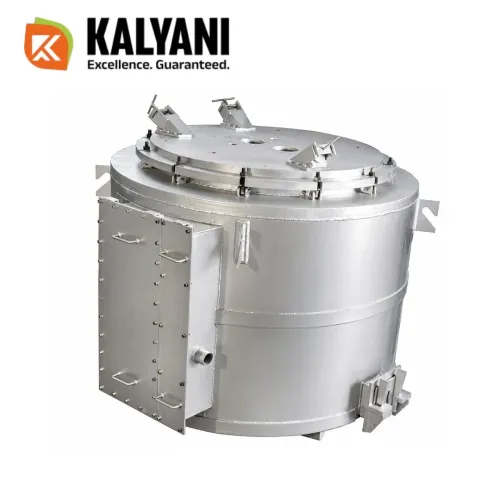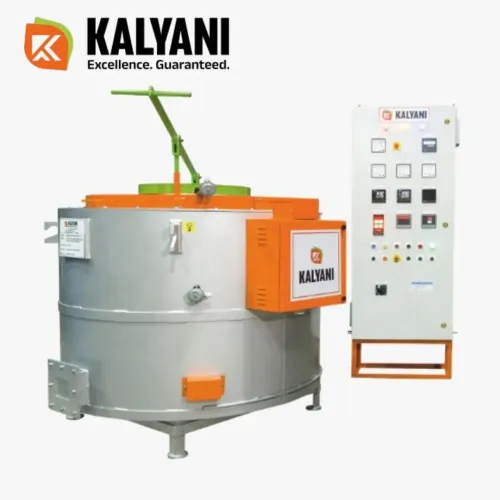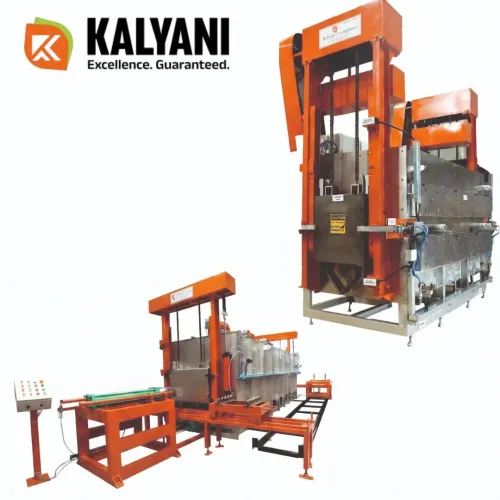

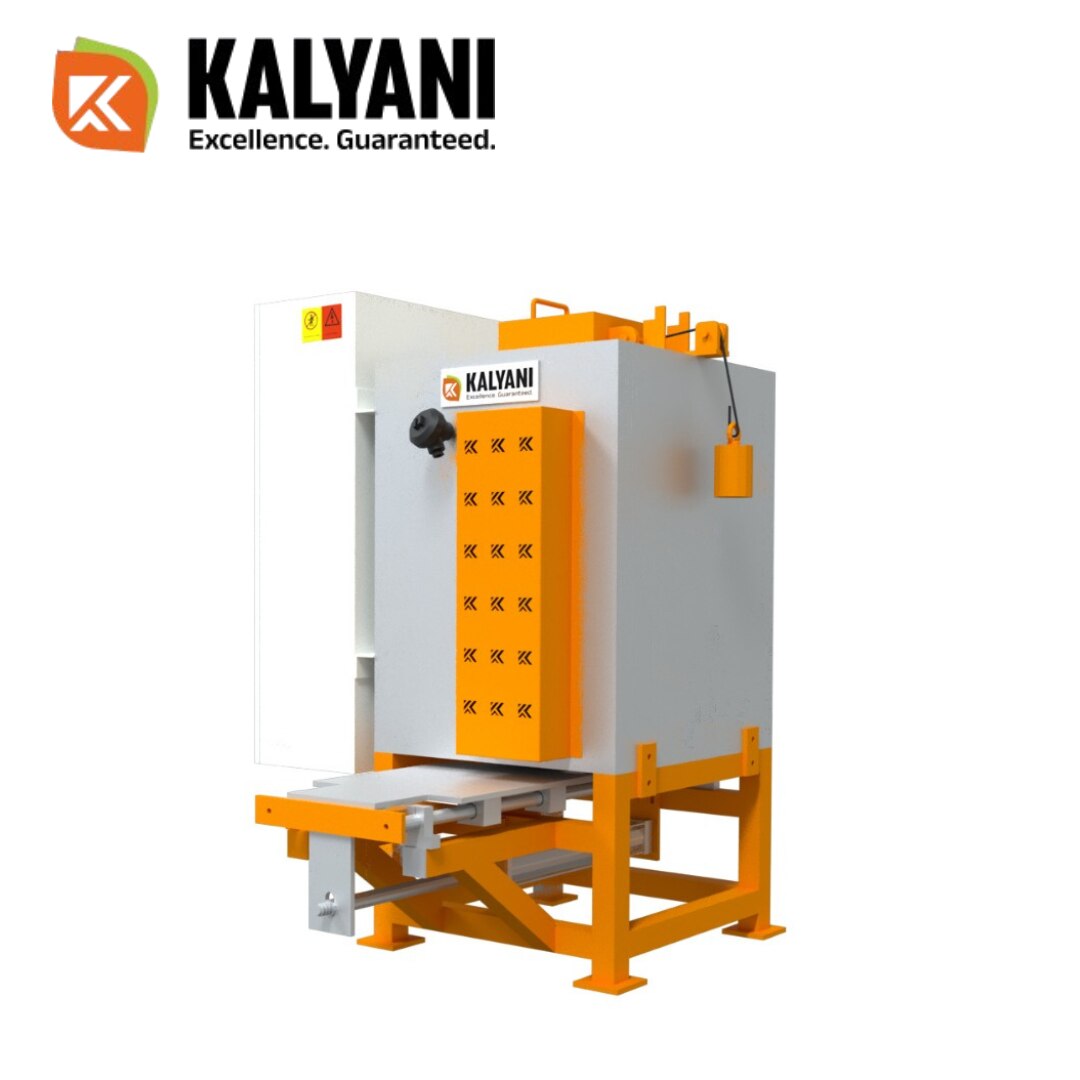
A ladle preheater must dry and condition the refractory without creating hot spots, trapping moisture, or leaving the ladle cold when molten metal arrives. By following the operating sequence and specifying measurable heat-up, temperature, sizing, and safety requirements, you can turn an unclear shell-furnace enquiry into a controlled foundry process.
Key takeaways
- Call it a ladle preheating furnace, not a resin-shell baking furnace.
- Specify ladle capacity, lining, target refractory temperature, and available energy supply.
- Verify the heating cycle with thermocouples, temperature records, and refractory inspection.
- Compare gas and electric systems using heat-up time, ventilation, controls, and operating cost.
What “shell baking furnace” means for a foundry ladle
“Shell baking furnace” needs clarification because foundry literature can mean equipment for baking resin-coated sand shells. For a ladle, specify a foundry ladle preheating furnace and state the ladle capacity, lining system, gas or electrical supply, and target refractory temperature.
The furnace heats the ladle shell and refractory inside a controlled enclosure or directed heating zone. Preheating removes residual moisture, reduces thermal shock, limits metal freezing against the wall, and prevents steam events. A wet lining must never contact molten aluminium or any other molten metal.
| Equipment | Heating arrangement | Main limitation |
|---|---|---|
| Open-flame burner stand | Direct flame around an exposed ladle | Uneven heating and high ambient heat loss |
| Box furnace | Enclosed chamber around the load | Ladle loading, clearance, or air circulation may not suit the design |
| Immersion heater | Heater placed in a compatible liquid | Not intended for a refractory-lined ladle |
| Ladle preheating furnace | Controlled enclosure or directed heating zone | Must match the ladle and refractory process |
The phrase shell baking furnace in Pune is not enough for a technical quotation. Write the application as foundry ladle preheating, then provide the ladle dimensions, lining construction, fuel or electrical supply, and required refractory temperature.
How to run the ladle preheating process safely
A ladle is ready for molten-metal transfer only after it passes a physical inspection, completes the approved dry-out cycle, and reaches the lining temperature and soak condition specified by the refractory supplier.
1. Empty and clean the ladle. Remove metal buildup, soot, scale, and loose refractory from the shell, lip, bottom, vent paths, cover, and lining.
2. Inspect for standing water, cracks, detached refractory sections, metal penetration, blocked vents, damaged covers, and damp repair areas. Do not heat a mechanically unsound or water-contaminated ladle; rapid water vaporisation can cause spalling, refractory ejection, or a steam event.
3. Confirm the refractory supplier’s dry-out condition before loading the ladle, including any required starting condition, ramp limits, and hold points. A furnace programme cannot correct wet or damaged lining.
4. Position the ladle centrally and maintain the specified clearance from burners or electric elements. Check that the bottom and circumferential zones receive balanced heat, without direct flame impingement or cold areas.
5. Start the approved heating programme; do not apply maximum heat immediately. Track lining temperature at defined representative points, such as the bottom, sidewall, and lip—not only chamber air—and hold the specified target temperature for the required soak period.
6. Transfer the ladle to pouring or metal treatment without unnecessary exposed waiting. Fit the cover where the process permits, then record ladle identification, lining condition, start time, ramp, peak and soak temperatures, operator name, and readiness status.
7. After thermal cycling, inspect for spalling, cracks, distortion, and abnormal hot spots before the next heat.
How to define and verify the heating cycle
There is no universal ladle-preheating setpoint. Aluminium-foundry ladles, steel-treatment ladles, and steel-casting ladles differ in lining chemistry, thickness, moisture condition, alloy process, and pouring temperature. Define the recipe from the lining supplier’s schedule, not from the furnace display or nominal ladle capacity.
| Ladle service | Primary cycle concern | What to verify |
|---|---|---|
| Aluminium foundry | Drying and moisture removal without overheating the lining | Supplier-approved refractory temperature and soak |
| Steel treatment | Thicker or different refractory and hot-metal process requirements | Ramp, hold points, and transfer limit |
| Steel casting | High thermal demand and readiness before pouring | Target lining temperature, uniformity, and soak |
Obtain a written drying and operating schedule containing:
- Starting lining condition: new, repaired, dried, or previously used
- Permitted ramp rate and intermediate hold points
- Target refractory temperature and soak time
- Cooldown limit or maximum time before transfer
- Required temperature measurement location and method
Controlled ramps matter most for new or repaired linings. Heat residual water too quickly and it can vaporise, causing spalling or ejecting hot refractory.
Place thermocouples at representative points such as the bottom lining, sidewall, and lip zone, following the supplier’s method. A chamber-air reading can look correct while a thick bottom remains cold. During commissioning, map these locations and define readiness as a temperature range plus a soak criterion.
For infrared checks, record emissivity, surface condition, and viewing angle. Compare the programmed ramp with measured data, revise the recipe only with supplier approval, and record every cycle to separate incomplete drying from burner, heater, sensor, or insulation failure.
How to size the furnace and choose gas or electric heating
A useful quotation starts with thermal load, not nominal metal capacity. Provide the empty ladle and refractory mass, shell thickness, lining thickness and construction, starting temperature, target temperature, required heat-up time, estimated heat losses, and safety margin. Two ladles rated for the same tonnage can require different burner or heater ratings.
Include these enquiry details:
- Internal diameter, height, maximum diameter and height
- Empty mass, working volume, shell geometry and lining condition
- New or used status, required ladles per shift and turnover rate
- Loading method, door or enclosure clearance, indoor or outdoor location
- Available gas pressure or electrical supply and exhaust requirements
The phrase foundry ladle preheating furnace in Pune does not define this duty; the ladle data does.
| Option | Strength | Main design constraint |
|---|---|---|
| Gas-fired | High heat-transfer rate and straightforward capacity scaling | Requires fuel-train isolation, combustion-air proving, flame supervision, controlled purge, exhaust handling, and soot or scale cleaning |
| Electric | No combustion products at the ladle surface, clean control, direct energy measurement | Needs adequate connected electrical capacity and can heat large ladles more slowly |
Arrange burners or heaters around the circumference and bottom area. Prevent direct flame impingement, cold zones behind the ladle, and steel-shell overheating; uneven heating causes thermal stress and shortened lining life. Cut consumption with insulation, a suitable lid, brief door-open periods, controlled holding, sealed air leaks, and heat recovery where justified.
What to specify, test, and verify before purchase
Put the following data into the enquiry before a shell baking furnace manufacturer sizes the equipment:
1. State maximum ladle diameter and height, rated load, empty shell mass, lining mass, lining construction, new or used condition, cycle time, and ladles per shift. Add the lining supplier’s heat schedule, including ramp rate, target refractory temperature, soak time, and transfer limit.
2. Identify the available gas pressure and fuel, or electrical supply, connected load, indoor or outdoor location, ventilation, and extraction requirements. Ask for burner or heater rating, temperature-controller range, thermocouple type and location, insulation specification, lining-repair access, and cleaning access for gas-fired soot or scale.
3. Require a controlled purge, combustion-air proving, fuel-train isolation, flame-failure supervision, high-temperature cut-out, emergency shut-off, and restart logic that blocks automatic fuel admission after flame failure. Review the design against NFPA 86 where applicable, plus the Indian electrical, gas, pressure, fire-safety, customer, and insurer requirements for the Pune site.
4. Make acceptance measurable: perform an empty-furnace heat-loss check, representative ladle heat-up trial, temperature-uniformity survey, programmed ramp and soak confirmation, fuel or electrical consumption test, and functional test of every safety trip. Judge readiness from lining temperatures, not the furnace display alone.
Use these details when evaluating KALYANI FURNACES INDIA PVT LTD, so the quotation addresses refractory readiness rather than the search phrase alone.
Related product
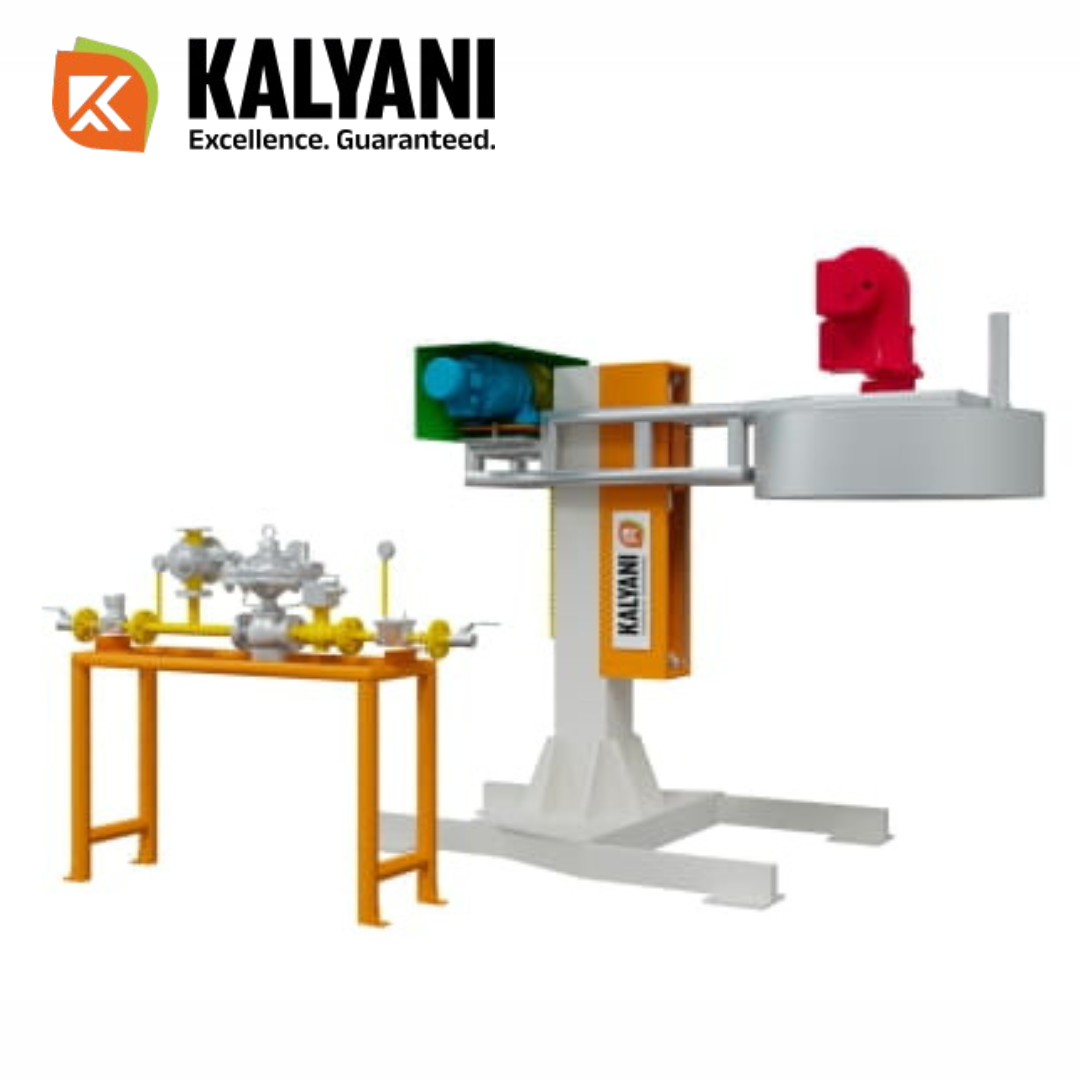 | Foundry Equipment Foundry Ladle Preheating Furnace Product Overview Kalyani Furnaces India Pvt. Ltd. is a leading Foundry Ladle Preheating Furnace manufacturer based in Pune, India, established in... |
Frequently asked questions
What does “shell baking furnace” mean for a foundry ladle?
In foundry literature, shell baking usually refers to resin-coated sand shells. For a ladle, specify a foundry ladle preheating furnace and state the ladle capacity, lining system, energy supply, and target refractory temperature.
How do you run a foundry ladle preheating process safely?
Inspect the refractory, remove moisture and debris, confirm burner or electrical interlocks, use suitable ventilation, and monitor the ladle temperature during the complete heating cycle.
How do you define and verify a ladle heating cycle?
Set the required heat-up rate, soak temperature, holding time, and cooldown limits from the refractory lining supplier’s instructions. Verify the cycle with calibrated thermocouples and recorded temperature data.
How do you size a ladle preheating furnace and choose gas or electric heating?
Size the furnace around ladle dimensions, refractory mass, target temperature, heat-up time, insulation, and available utilities. Compare gas and electric heating by controllability, ventilation, installation, maintenance, and running cost.