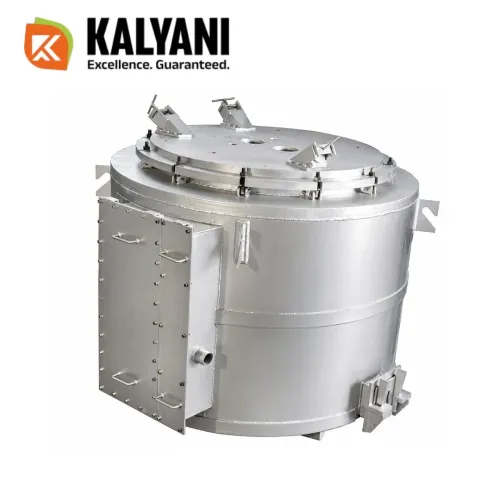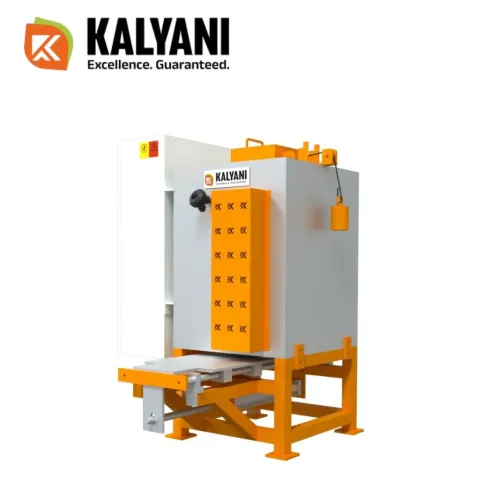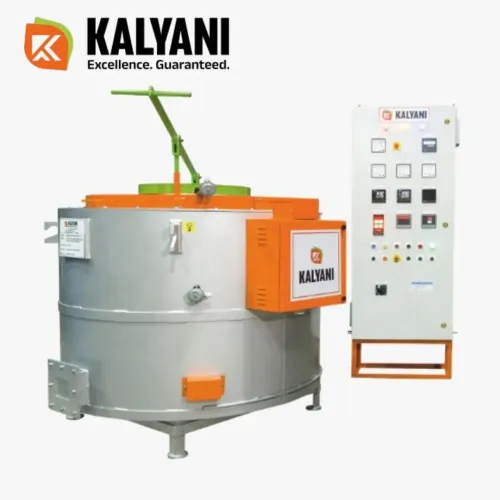

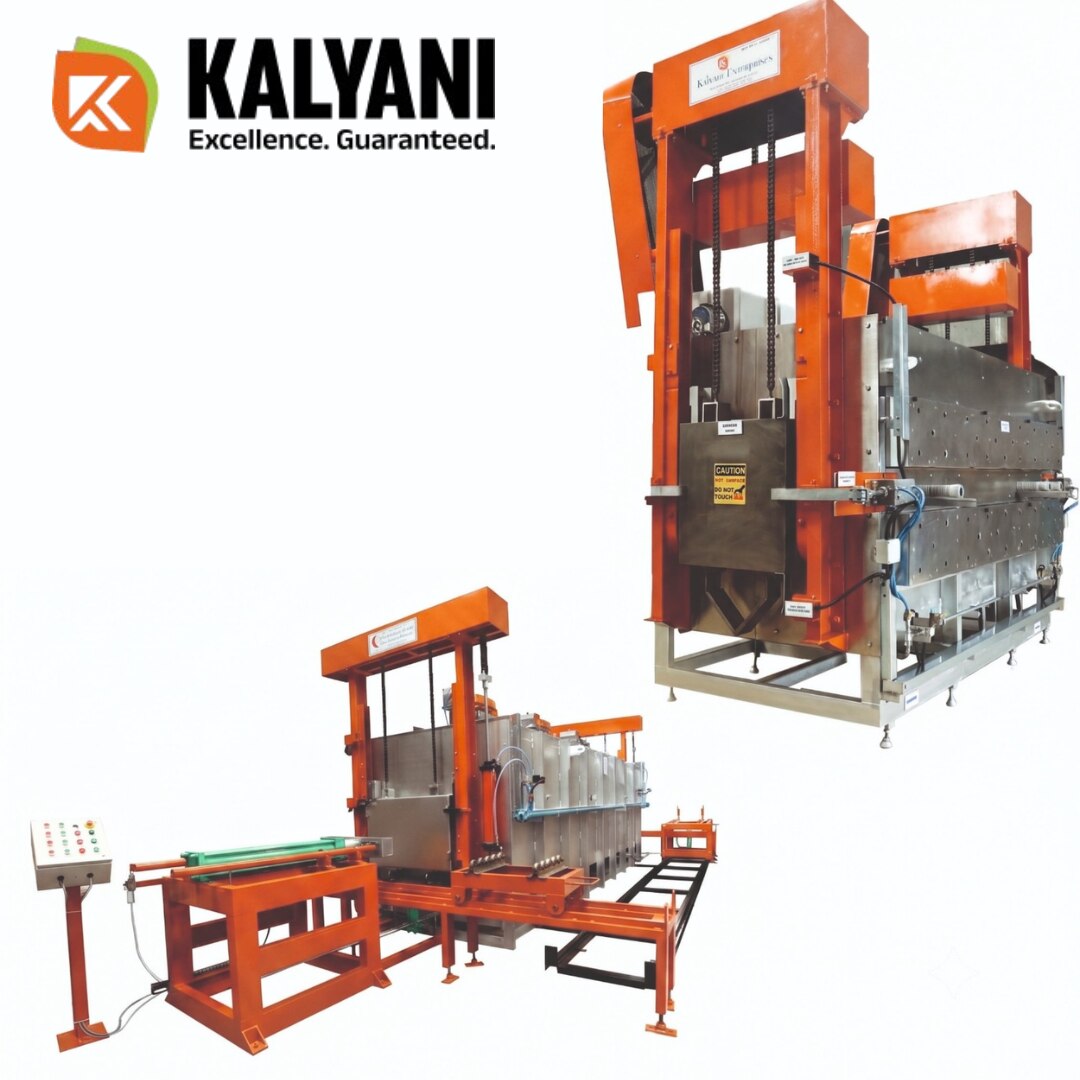
A ladle preheater and a heat treatment furnace solve different thermal problems, even when both use burners, heating elements and refractory-lined chambers. By the end, you will know which process your foundry needs, what operating data to give a supplier, and how to compare designs, controls and safety provisions before requesting a quotation.
Key takeaways
- Separate drying, baking and heat treatment before specifying furnace capacity.
- Give ladle size, refractory, target temperature and cycle time to the manufacturer.
- Verify moisture removal, temperature uniformity and burner safety before pouring metal.
- Compare heating systems, furnace layout, construction and service support—not price alone.
What ladle preheating does—and where drying, baking and heat treatment differ
A ladle preheater removes residual moisture, reduces thermal shock, limits chilling when molten metal enters, and brings the refractory lining to a controlled working condition before metal contact. Water trapped in a ladle, damp refractory or a wet charge can flash to steam; rapid expansion can eject molten metal or rupture the lining.
| Process | Meaning | When it applies |
|---|---|---|
| Ladle drying | Controlled removal of physically or chemically held moisture | Use the refractory supplier’s ramp and measure the refractory, not merely the chamber air |
| Ladle baking | A higher or longer conditioning cycle that hardens, cures or stabilises a lining or coating | Use only when the material specification requires it |
| Heat treatment | A complete material cycle covering heating rate, soak temperature, temperature uniformity and, for aluminium alloys, transfer to quench | Use for achieving a specified alloy condition, not simply warming a ladle |
A foundry ladle preheating furnace in Pune is not automatically interchangeable with a heat treatment furnace. A ladle preheater manages moisture and refractory condition; a heat treatment furnace must control the load and the complete metallurgical cycle.
A quoted maximum temperature proves little about safe drying or production readiness. It does not show that moisture will leave without steam pressure and spalling, that the lining will reach its working condition, or that an aluminium load will meet its required soak and quench delay.
There is no universal preheat temperature. Refractory type, thickness, lining condition, ladle size, alloy and time before pouring determine the correct profile. Use separate controlled recipes for first-use drying and routine production preheating.
What process data must you give before selecting the furnace
An incomplete quotation usually starts with incomplete process data. Give the furnace supplier this specification before comparing price or rated temperature.
1. Record each ladle’s capacity in tonnes, internal diameter, internal depth, shell dimensions, total ladle weight, lining or coating type, lining thickness and current lining condition. State the target refractory temperature, permitted heat-up time, required soak time, number of ladles per shift, ladle rotation and time between preheating and pouring.
2. Describe the operating sequence: do ladles arrive cold, are they cleaned while hot, and do drying and production preheat require separate recipes? Include crane or forklift handling limits, available floor area, hood or exhaust constraints and the required temperature-recording method.
3. State utilities precisely. For electric heating, provide voltage, phase and connected kW; for gas or oil, provide fuel type, supply pressure and available flow.
4. Do not accept a universal preheat temperature. Refractory type and thickness, ladle capacity, lining condition, alloy, pouring practice and holding time change the required heating profile; a nominal temperature without heat-up and soak data is incomplete.
For aluminium heat treatment, add alloy and temper, solution-treatment range, load mass, fixture arrangement, permitted transfer time to quench, quench medium, agitation and tank capacity. These details determine whether the furnace and quench system can achieve the specified properties. A ladle preheater and a heat-treatment furnace therefore require different performance specifications.
How to run and verify a safe ladle preheat cycle
A safe cycle starts with the ladle, not the burner. Ask a ladle preheating furnace manufacturer in Pune for a profile based on your lining, capacity and load rather than a maximum furnace temperature.
| Cycle | Ramp and purpose | Verification |
|---|---|---|
| First-use drying | Use the refractory supplier’s controlled ramp to release moisture without steam pressure or spalling. | Record refractory temperature and hold each specified plateau. |
| Routine preheating | Use a separate, faster production recipe only after the lining is dry and stable. | Confirm the target temperature and specified soak time. |
- Inspect the shell, trunnions, lip, bottom, lining and drain area. Remove metal, slag and loose refractory.
- Confirm that the lining is intact and dry. Exclude rainwater, wash water and wet charge material; moisture can flash to steam on metal contact.
- Position the ladle so the intended hot face receives heat. Start the exhaust before following the burner pre-purge and ignition sequence, or the electric-heater start-up sequence.
- Place a thermocouple at a representative refractory location, not beside the burner flame. Start the soak only after that location reaches the specified temperature.
An infrared pyrometer checks the visible surface, but emissivity, viewing angle, scale and line of sight affect its reading. Compare it with a fixed temperature indicator or recording thermocouple; it does not prove that the refractory core matches the surface.
For shutdown, stop heating under the approved control sequence, isolate fuel or de-energise heaters, and observe the specified cooling limit. Attach the crane only to approved points, keep workers away from hot surfaces and unstable lining, then remove the ladle.
Which heating system, layout and furnace construction fit the foundry
Direct-fired gas or oil heating usually lowers installed electrical demand and heats a large ladle quickly. Electric resistance avoids combustion products in the chamber and gives tighter recipe control, but requires sufficient electrical capacity and protected, inspectable elements.
| Heating system | Production advantage | Buyer checks |
|---|---|---|
| Direct-fired gas or oil | Fast heating; lower electrical demand | Burner turndown, combustion-air control, exhaust sizing, pre-purge, flame-failure shutoff, fuel-pressure supervision and interlocks |
| Electric resistance | Clean chamber; precise control | Connected kW, element protection, ageing, breakage, recovery and loaded uniformity |
For a fuel-fired unit, request the burner-train schematic and cause-and-effect list. Check ISO 13577-2 and the local electrical, gas, factory and fire authorities; NFPA 86 is a useful combustion-safety reference.
Choose a fixed station for one repeatable ladle position, a tilting arrangement for access and heat distribution, or a mobile unit where cranes handle ladles or work areas change. A heat-treatment furnace is not automatically a suitable ladle preheater: its control of heating rate, soak and uniformity must match the refractory process.
- Compare chamber shape, burner position, hot-face refractory, insulation thickness, hood or door, maintenance access, thermocouple locations and independent zones.
- Demand cold-start time, surface-temperature profile, fuel or kWh per ladle, recovery after loading and repeatability at the specified ladle load—not only maximum temperature.
How to evaluate a Pune manufacturer for ladle preheating or heat treatment
Buy against acceptance tests, not the label “industrial furnace.” A ladle preheating furnace manufacturer in Pune must prove performance on your ladle, lining and fuel supply; a heat treatment furnace manufacturer in Pune must prove temperature control with your production load.
| Requirement | Evidence to request | Acceptance test |
|---|---|---|
| Ladle preheating | Refractory-surface heat-up and holding profile, burner-control range, exhaust arrangement, fuel or kWh per ladle | Repeatable cold-start cycle at specified ladle load |
| Heat treatment | Qualified working-zone range and uniformity at actual production load | Loaded temperature-uniformity survey and recovery test |
| Commissioning | Calibrated control and recording thermocouples, control logic and safety records | Signed calibration, survey and loaded recovery reports |
- For ladles, require first-lining dry-out instructions, refractory data, cold-start time and cycle repeatability. A burner-near reading cannot prove refractory temperature.
- For aerospace work, name AMS2750H in the purchase specification. It covers furnace classification, temperature-uniformity surveys, system-accuracy tests and thermocouple requirements; it is not mandatory for every general-purpose furnace.
- For aluminium solution treatment, specify the quench tank, medium, agitation, capacity and maximum furnace-to-quench transfer time with the furnace.
Assess KALYANI FURNACES INDIA PVT LTD against drawings, the utility schedule, refractory data, control logic, safety documentation, commissioning records and defined service boundaries. A quoted maximum temperature is not acceptance evidence.
Related product
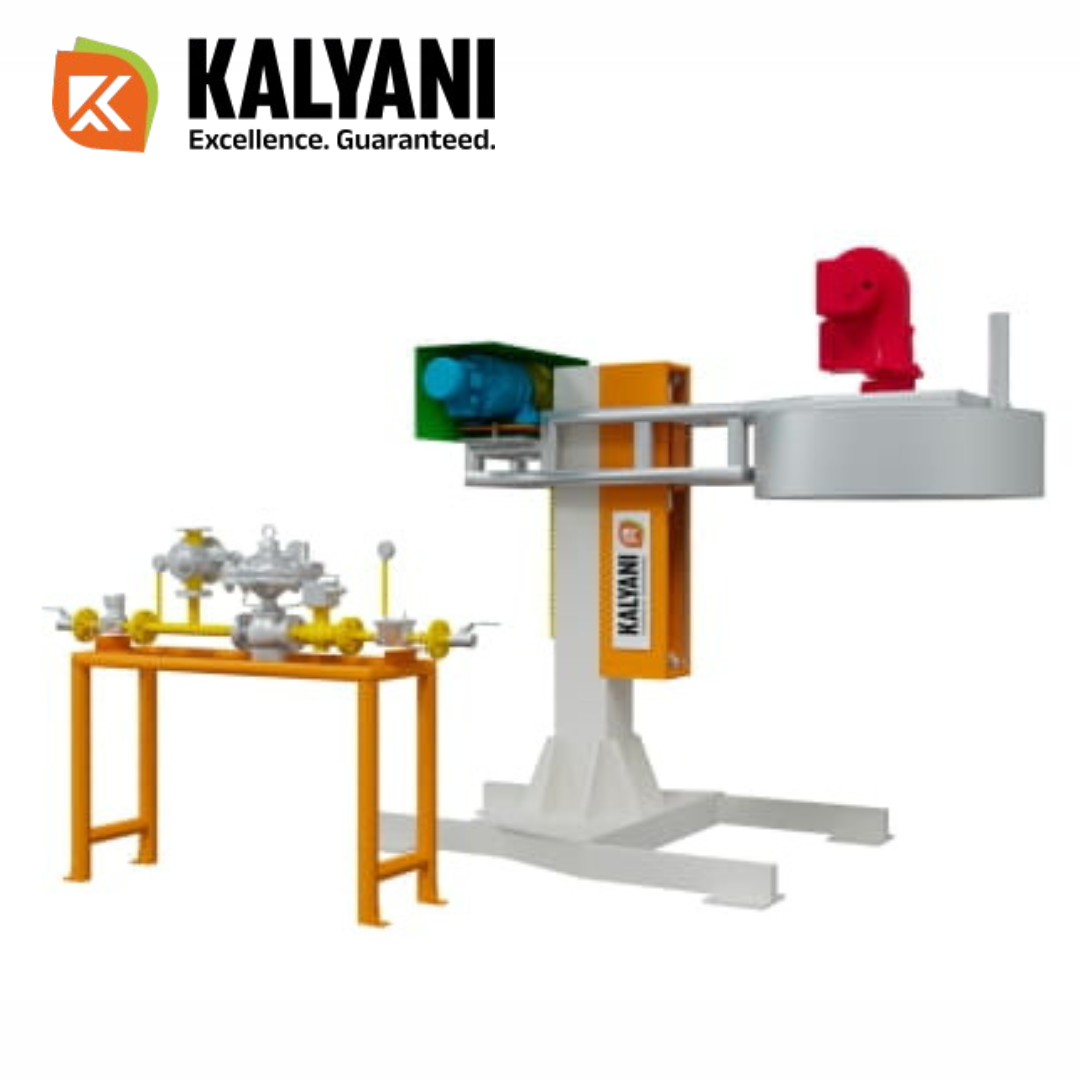 | Foundry Equipment Foundry Ladle Preheating Furnace Product Overview Kalyani Furnaces India Pvt. Ltd. is a leading Foundry Ladle Preheating Furnace manufacturer based in Pune, India, established in... |
Frequently asked questions
What is the difference between ladle drying, baking and heat treatment?
Drying removes free moisture at a controlled low temperature. Baking drives moisture from refractory and binders over a longer cycle. Heat treatment uses a defined temperature profile to develop or restore material properties, so it requires different process controls.
What process data must you provide before selecting a ladle furnace?
Provide ladle capacity and dimensions, refractory type and thickness, empty and loaded weight, target lining temperature, heating rate, cycle time, fuel or electrical supply, production frequency and available installation space.
How do you verify a safe ladle preheat cycle?
Confirm the ladle is clean and drained, follow the specified heating curve, record lining temperature at multiple points, check burner flame and interlocks, and inspect the lining for cracks or damp areas before molten metal contact.
How should you evaluate a Pune ladle preheating or heat treatment furnace manufacturer?
Compare the proposed design against your process data, then check temperature-control documentation, burner or electrical safety features, refractory construction, commissioning support, spare-parts access and service response.