
The purchase pays off only when the furnace increases saleable melt availability at a lower cost per good casting than your current process. You will be able to compare furnace types, calculate a site-specific break-even point, and identify the operating figures that a supplier must prove before you commit.
Key takeaways
- Buy melting capacity for charge volume, not your maximum theoretical output.
- Use a holding furnace when casting demand exceeds one melt cycle.
- Calculate break-even from fuel, labour, yield, maintenance, and throughput.
- Preheat ladles before transfer to reduce heat loss and casting defects.
What kind of furnace are you actually buying?
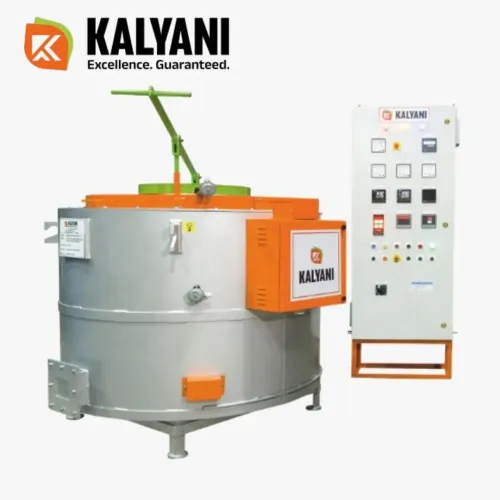
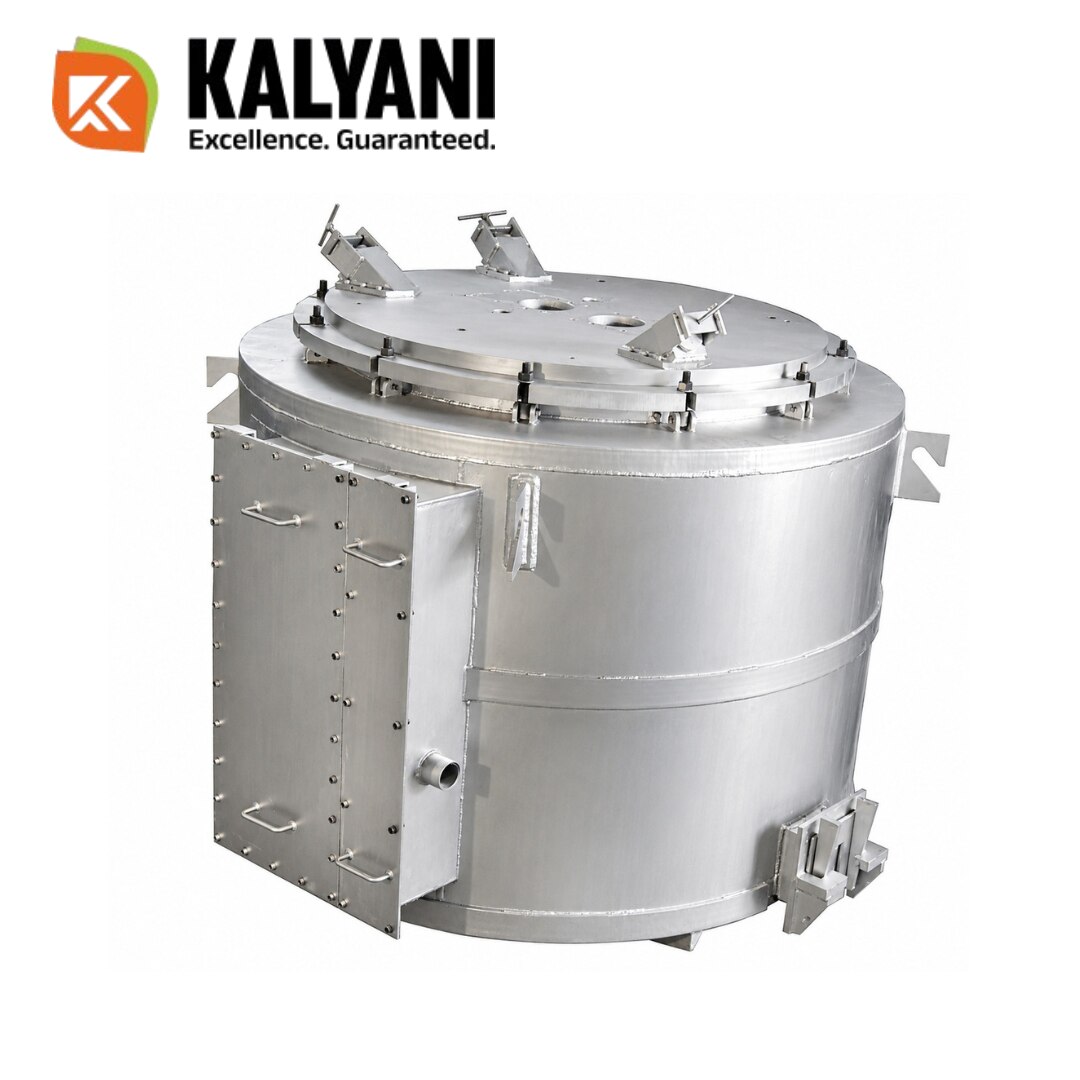
An aluminium casting furnace is the complete system used to melt, condition, and deliver aluminium for casting. A melting furnace converts solid charge into liquid metal; a holding furnace keeps already-molten aluminium at pouring temperature; a melting-and-holding furnace does both in separate zones or one chamber.
| Type | Main job | Best fit |
|---|---|---|
| Melting furnace | Converts ingot, returns, or scrap into liquid metal | Repeated cold-charge melting |
| Holding furnace | Maintains pouring temperature with limited heat input | Stable supply beside a casting line |
| Melting-and-holding furnace | Melts and then stores metal for pouring | Different melt and pour rates |
| Crucible furnace | Heats metal inside a removable crucible | Smaller, flexible batches and frequent alloy changes |
| Reverberatory furnace | Heats the charge through a roof or flame path | Higher-throughput operations |
| Electric resistance furnace | Transfers heat through electrical elements, without combustion products | Clean, controllable heating where power is available |
| Induction furnace | Adds rapid electrical heating and electromagnetic mixing | Fast melting where higher installation, cooling, and maintenance costs are justified |
Do not choose by the word “furnace” or its nameplate capacity. Compare usable melt volume, charging method, skimming access, temperature measurement, alloy compatibility, and casting method.
A small crucible unit is the wrong choice for continuous high-volume demand. A large reverberatory or induction system is hard to justify for infrequent, low-volume alloy changes.
Do you need a melting furnace, a holding furnace, or both?
Base the choice on peak hourly demand and recovery time, not the attractive average tonnes-per-day figure. An aluminium casting furnace must match batch size, pour rate, shift pattern, scrap input, alloy-change frequency, casting method, and the melt volume required at every pour.
| Option | Primary job | Choose it when |
|---|---|---|
| Melting furnace | Converts cold ingot, returns, or clean scrap into liquid metal | The plant repeatedly makes new melt and needs recovery after each charge |
| Holding furnace | Maintains temperature in already-molten aluminium | Another furnace supplies metal beside a die-casting, gravity-casting, or low-pressure-casting line |
| Both | Separates melting capacity from pouring supply | Melting and pouring run at different rates, several lines share one supply, or production needs buffer capacity between melt cycles |
Calculate the required system from the busiest hour: metal poured per hour plus the charging recovery time before the next pour. Include the minimum usable melt that must remain available; a furnace that meets hourly tonnage but runs empty during a pour is undersized.
A high-capacity melting furnace used to hold a small charge creates idle heat loss and raises capital cost per tonne. An undersized holding furnace creates freezing risk, interrupted pours, overtime, or a second melt cycle.
Choose a melting furnace for cold or solid charge. Choose a holding furnace only when melting occurs elsewhere. Choose both when shift timing, batch charging, or multiple casting lines prevents the melting rate from matching the pour rate. Record peak hourly demand for each shift before requesting a furnace quotation.
Which operating figures prove that the furnace can earn its keep?
Saleable melt rate, not nameplate capacity, decides whether an aluminium casting furnace earns its keep. Ask each supplier to complete the same comparison sheet.
| Rated capacity | kg or tonnes per batch |
|---|---|
| Usable melt volume | Charge held without unsafe overfill |
| Cold-start heat-up | Time from 20°C charge to ready metal |
| Melting rate | kg/h or tonnes/h under stated conditions |
| Recovery time | Minutes after charging before pouring resumes |
| Holding range | Permitted temperature range in °C |
| Uniformity | Maximum temperature difference across the melt |
| Saleable throughput | Expected tonnes per hour at your intended load |
| Specific consumption | kWh/t electric, or fuel input/t gas |
| Metal loss | Percentage lost to dross, skimming, oxidation and heel |
Require the test conditions behind every figure:
- Alloy, charge temperature, batch size, target temperature and actual load
- Cold-start or hot-start status, charging method and door-open time
- Energy meter or fuel-meter readings, sampling period and calculation method
- Dross weight, heel weight and whether rejected metal is included
Theoretical heat demand is not operating cost. Heating aluminium from about 20°C to 750°C requires roughly 1.0–1.1 MJ/kg, including sensible heat and fusion; furnace, flue, crucible, refractory and door losses push actual input higher.
Frequent alloy changes increase segregation and cross-contamination risk. Dirty or wet charge increases dross and safety risk. Excessive superheat raises energy use, hydrogen pickup, refractory attack and oxide generation.
Filtration, skimming, protected transfer and melt treatment remain separate quality controls; aluminium foundry equipment cannot make those controls unnecessary.
How do you calculate furnace ownership break-even?
1. Start with usable monthly capacity, not nameplate capacity. Calculate: rated tonnes per hour × operating hours per shift × shifts per month × realistic utilisation. Run the model at 50%, 70%, and 90%; then repeat it after removing hours lost to repairs, alloy changes, cold starts, and cleaning.
This exposes an aluminium casting furnace that works only near continuous operation.
2. Convert ownership into a monthly figure. Include the purchase price, installation, foundations, exhaust or utility work, refractory or crucible replacement, burners or heating elements, controls, planned maintenance, operator time, and financing charges where relevant.
Add process costs for electricity or fuel, dross and other metal losses, rejects caused by temperature variation, repair downtime, outsourced melting, and manual preheating that remains necessary.
3. Establish the current monthly cost from supplier invoices and internal records. Include outsourced melt price per tonne, transport, waiting time, scrap, and labour. Divide the furnace’s total monthly ownership and operating cost by saleable tonnes, not tonnes charged into the furnace; dross, rejects, and downtime reduce the denominator.
4. Use this calculation: break-even tonnes per month = fixed monthly ownership cost ÷ (current cost per good tonne − new variable cost per good tonne). If the denominator is zero or negative, the purchase does not recover its cost. Test the result at 50%, 70%, and 90% utilisation, plus a downtime case.
A short-shift, frequently changing-alloy foundry needs the lower-utilisation result, not the optimistic one.
Which heating method and supporting equipment fit the real process?
Choose gas or electric heating by site capability and process demand, not fuel price alone. Gas firing suits high thermal throughput when fuel supply, safe flue routing, combustion controls, and emissions compliance are in place. Electric resistance heating suits clean, quiet workspaces needing fast control response and simple zoning.
| Method | Strengths | Disqualifying condition |
|---|---|---|
| Gas-fired | High heat-up rate, high throughput | No safe flue infrastructure, or combustion products and noise conflict with the workspace |
| Electric resistance | Clean heat, zoning, fast response, no combustion products | Utility capacity is constrained, or electricity makes specific energy unaffordable |
Compare heat-up response, noise, temperature uniformity, maintenance workload, burner or element life, and combustion products. Request measured energy at the intended load: fuel input per tonne for gas or kWh per tonne for electric. Nameplate burner input and installed electrical power do not prove operating cost.
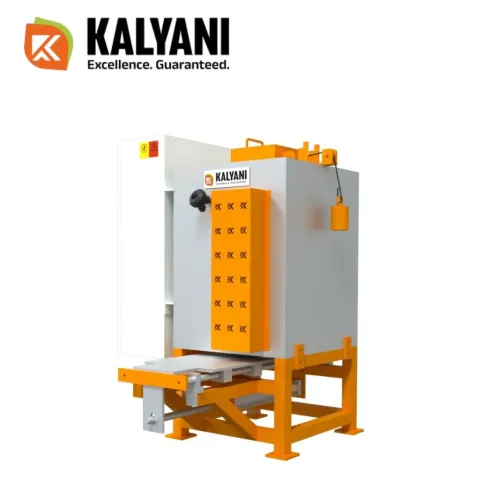
Include the foundry ladle preheating furnace in the capital review. It reduces chilling and thermal shock, but does not remove hydrogen or oxide inclusions. A ladle preheating furnace operating near 300–500°C is not automatically correctly set: follow the lining supplier’s drying schedule, inspect every ladle for moisture, and store ladles under cover.
Ask aluminium foundry equipment suppliers for:
- A load-specific energy test and usable throughput
- The refractory schedule and temperature-control method
- Maintenance access, burner or element life, and documented safety controls
KALYANI FURNACES INDIA PVT LTD belongs on the shortlist only after its proposed configuration meets those measured requirements.
Related product
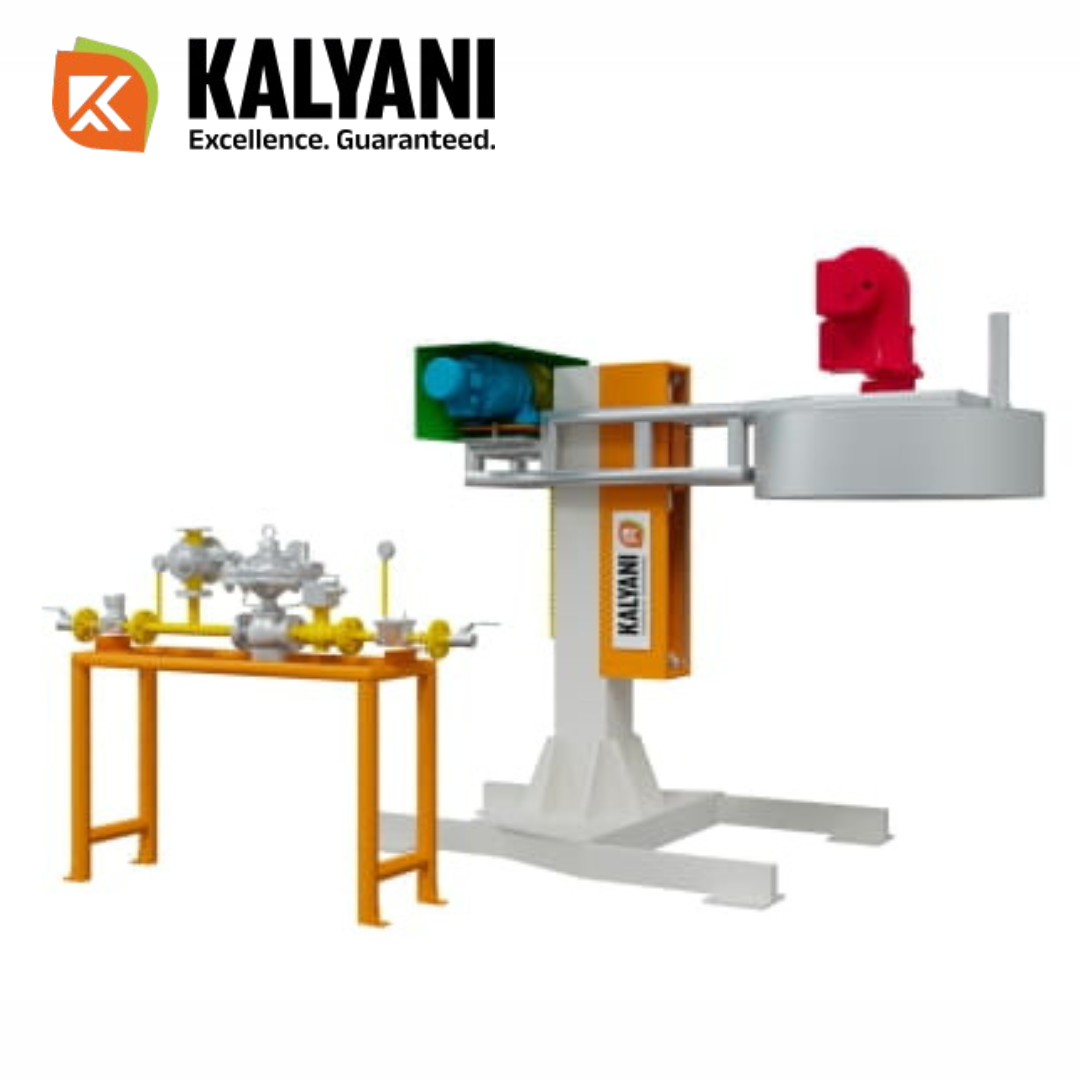 | Foundry Equipment Foundry Ladle Preheating Furnace Product Overview Kalyani Furnaces India Pvt. Ltd. is a leading Foundry Ladle Preheating Furnace manufacturer based in Pune, India, established in... |
Frequently asked questions
What kind of aluminium casting furnace are you actually buying?
You are buying a system that melts, conditions, and delivers aluminium. Compare chamber design, capacity, temperature control, refractory construction, access, emissions control, and metal-transfer arrangements—not just the advertised furnace size.
Do you need a melting furnace, a holding furnace, or both?
Choose a melting furnace when you need to convert solid charge into liquid metal. Choose a holding furnace when molten aluminium must remain at pouring temperature between melt and cast cycles. Use both when your casting line needs continuous pouring while fresh metal is melted separately.
Which operating figures prove that an aluminium casting furnace can earn its keep?
Request measured melt rate, specific energy consumption, temperature uniformity, metal recovery, warm-up time, holding loss, burner or element duty, maintenance intervals, and casting availability. Compare each figure with your charge weight, production schedule, and current process.
How do you calculate furnace ownership break-even?
Divide the installed cost by the monthly savings and added contribution from fuel, labour, yield, maintenance, throughput, and reduced downtime. Include ladle preheating, refractory replacement, controls, installation, and planned maintenance in the ownership cost.