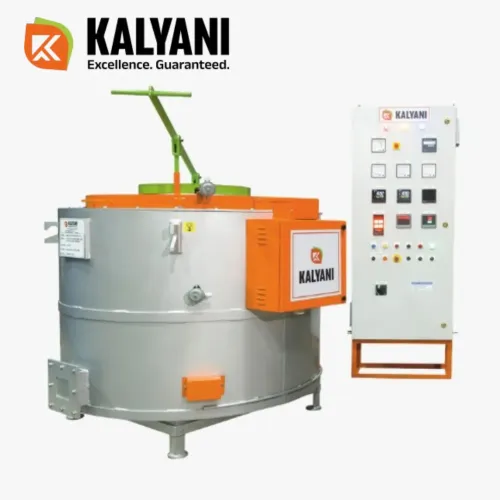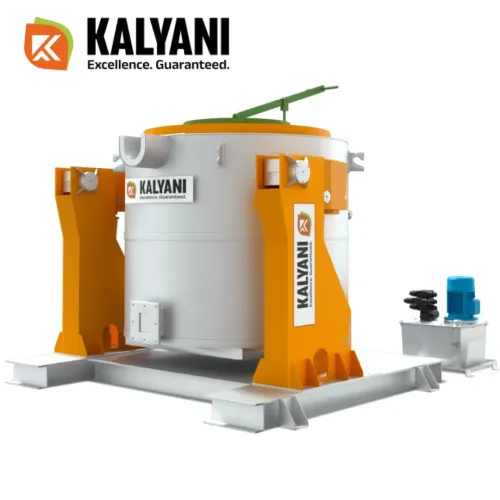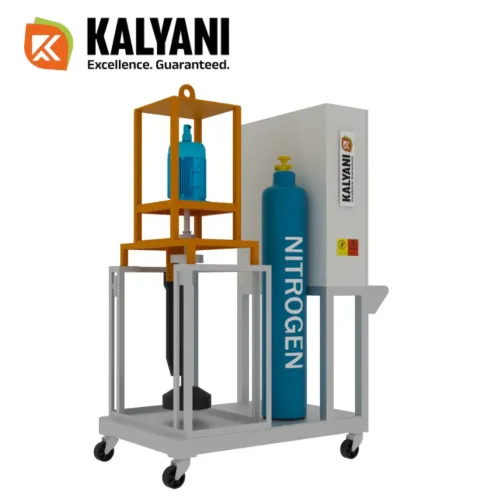

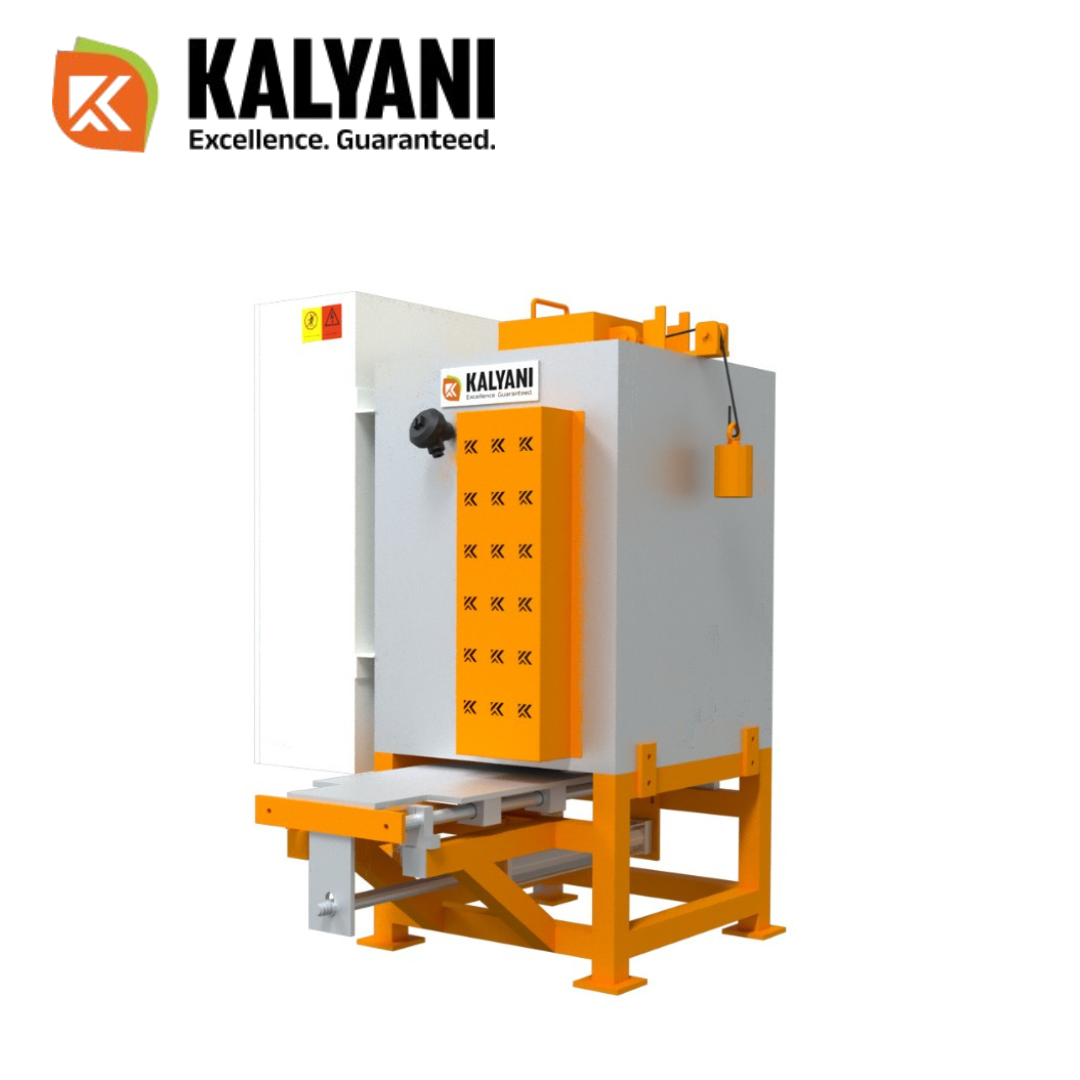
Choosing an industrial furnace is not simply a matter of selecting equipment that reaches a specified temperature. Different manufacturing processes place very different demands on heating equipment. Temperature range, load size, atmosphere, heating rate, cycle duration, production volume, and material characteristics can all influence which furnace configuration is appropriate.
Pune is one of Maharashtra's major engineering and manufacturing centres, with industries involved in automotive components, foundry operations, fabrication, machinery, metal processing, and general engineering. For these businesses, selecting an industrial furnace requires a process-based approach.
Start With the Material and Process
The first question should be straightforward: what exactly will the furnace be expected to do?
A furnace used to melt metal has different requirements from one used for heat treatment, baking, curing, preheating, holding, or thermal cleaning. Even applications operating at similar temperatures can require different airflow, chamber construction, controls, or heating arrangements.
Buyers should define:
Material being processed
Required operating temperature
Maximum load size and weight
Batch or continuous production
Heating and cooling cycle requirements
Desired production capacity
Available energy or fuel source
These details provide a stronger basis for furnace selection than choosing equipment only according to external dimensions or maximum temperature.
Consider Temperature Uniformity
Reaching the required temperature is only one part of industrial heating. In many applications, the temperature should also be distributed appropriately throughout the working area.
Poor temperature distribution can result in inconsistent processing, especially when multiple components are treated within one batch. Furnace chamber design, circulation, burner or heating element arrangement, loading pattern, and controls can all influence uniformity.
For temperature-sensitive processes, buyers should discuss the required operating tolerance rather than assuming every industrial furnace offers the same level of control.
Evaluate Capacity Realistically
Production teams sometimes focus on current demand without considering how the furnace will fit into the wider manufacturing cycle. A furnace may technically accommodate the required load but still become a bottleneck if heating cycles take too long for the planned production rate.
Capacity assessment should therefore include load quantity, cycle duration, loading and unloading time, operating shifts, and expected future demand.
Look Beyond the Purchase Price
Industrial furnace costs continue after installation. Energy use, refractory maintenance, heating system maintenance, downtime, consumables, and operating labour can influence lifecycle expenditure.
An apparently economical furnace may become expensive to operate if heat losses are excessive or if its capacity is poorly matched to production requirements. Buyers should therefore consider operating economics alongside initial investment.
Safety and Maintenance Need Early Attention
Industrial furnaces operate with high temperatures and, depending on their configuration, combustion systems, electrical heating systems, moving doors, exhaust arrangements, and process controls. Safe access and appropriate operating procedures are essential.
Maintenance teams should be able to inspect important furnace components without unnecessary difficulty. Planned maintenance can help identify refractory deterioration, burner problems, sensor issues, door sealing problems, or other conditions before they cause extended downtime.
KALYANI FURNACES INDIA PVT LTD in Pune works within the industrial furnace sector, where understanding the customer's process is fundamental to equipment selection.
For manufacturing facilities across Pune and Maharashtra, the right industrial furnace is the one designed around the actual production requirement. Clearly defining the process, load, temperature, capacity, energy source, controls, safety requirements, and maintenance expectations creates a stronger foundation for a reliable industrial heating system.