
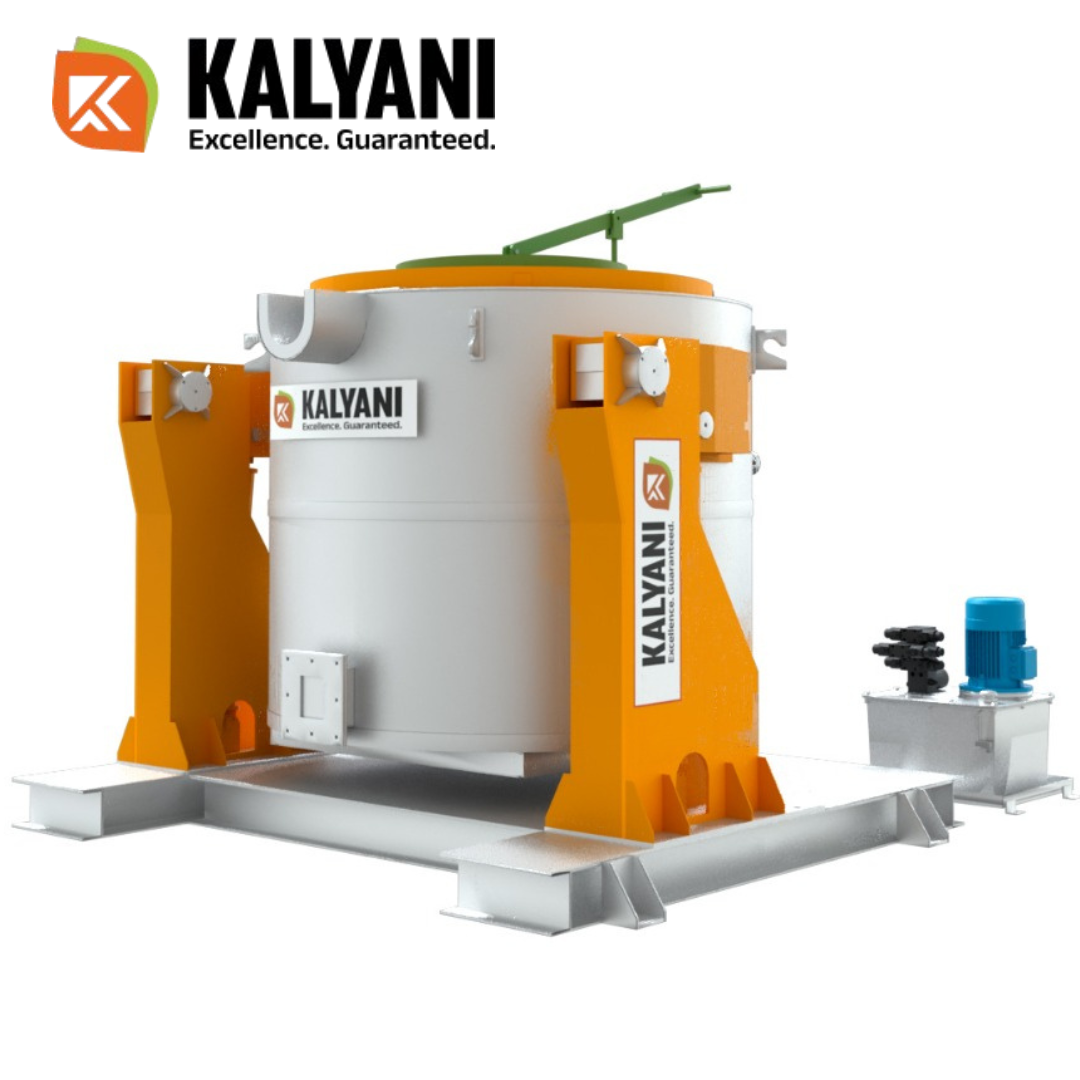
An aluminium melting furnace is a critical part of any production facility that melts aluminium for casting, foundry operations, component manufacturing, or metal processing. The furnace does more than simply bring aluminium to its melting temperature. Its design and operating characteristics can influence melt quality, fuel or energy consumption, production consistency, material loss, and the overall workflow of the foundry.
For manufacturers in Pune and other industrial regions of Maharashtra, furnace selection often starts with production capacity. A furnace that is too small may create frequent melting cycles and production delays, while an unnecessarily large system can increase operating costs. The right capacity should therefore be determined by considering the required molten metal output, batch size, operating hours, and expected production growth.
Another important consideration is temperature control. Aluminium processing requires controlled heating because excessive temperatures may increase oxidation and metal loss. Stable temperature management can help operators maintain more predictable melting conditions and prepare the metal for subsequent casting processes.
What Should You Evaluate in an Aluminium Melting Furnace?
Before selecting a furnace, manufacturers should review several practical factors:
Required melting capacity per hour or per batch
Type and condition of aluminium charge material
Available fuel or energy source
Furnace loading and metal transfer arrangement
Temperature control requirements
Expected production schedule
Maintenance accessibility
Space available within the plant
Safety and operator access requirements
Energy consumption deserves particular attention. Melting aluminium requires significant thermal input, so heat utilisation can directly affect operating expenditure. Furnace insulation, burner performance, combustion control, furnace construction, and operating practices all contribute to overall thermal efficiency.
Charge material also matters. Clean aluminium ingots, foundry returns, runners, risers, and other aluminium materials can behave differently during melting. The furnace and operating process should therefore be suitable for the type of material regularly handled by the facility.
Why Furnace Layout Matters in a Foundry
Furnace selection should not be separated from plant layout. Material must move efficiently from storage to melting and then from the furnace to casting or holding operations. Poorly planned movement can increase handling time and expose molten metal to unnecessary temperature loss.
Manufacturers around Pune, including facilities serving Maharashtra's automotive, engineering, casting, and component manufacturing sectors, may benefit from considering the entire production flow before finalising furnace specifications.
Safety should also form part of the planning process. Molten aluminium requires careful handling, suitable refractory conditions, controlled charging practices, appropriate operator procedures, and properly maintained equipment.
Maintenance Can Influence Long-Term Performance
Even a well-designed furnace requires systematic maintenance. Refractory condition, burners, temperature sensors, control systems, doors, exhaust arrangements, and related components should be inspected according to the operating environment and maintenance schedule.
Operators should also monitor changes in melting time, fuel consumption, temperature stability, and furnace condition. Gradual changes in these parameters may indicate that maintenance or operating adjustments are required.
KALYANI FURNACES INDIA PVT LTD in Pune operates in the industrial furnace field, where understanding production requirements is an important part of identifying a suitable furnace configuration. For buyers evaluating an aluminium melting furnace, the best starting point is a clear assessment of capacity, material, energy source, process flow, temperature requirements, and future production needs.
A properly selected furnace becomes part of a coordinated production system rather than simply a heat source. That approach can support consistent melting operations and more efficient aluminium processing across demanding industrial environments.