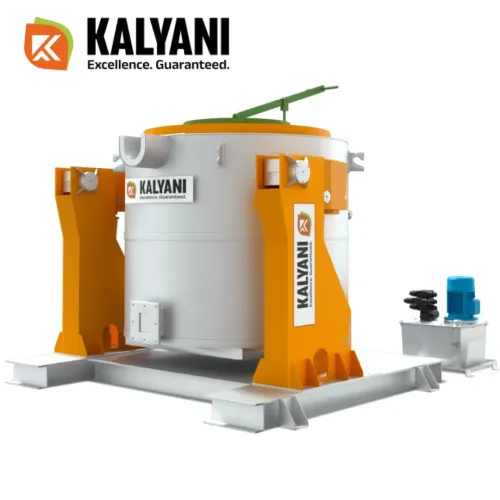

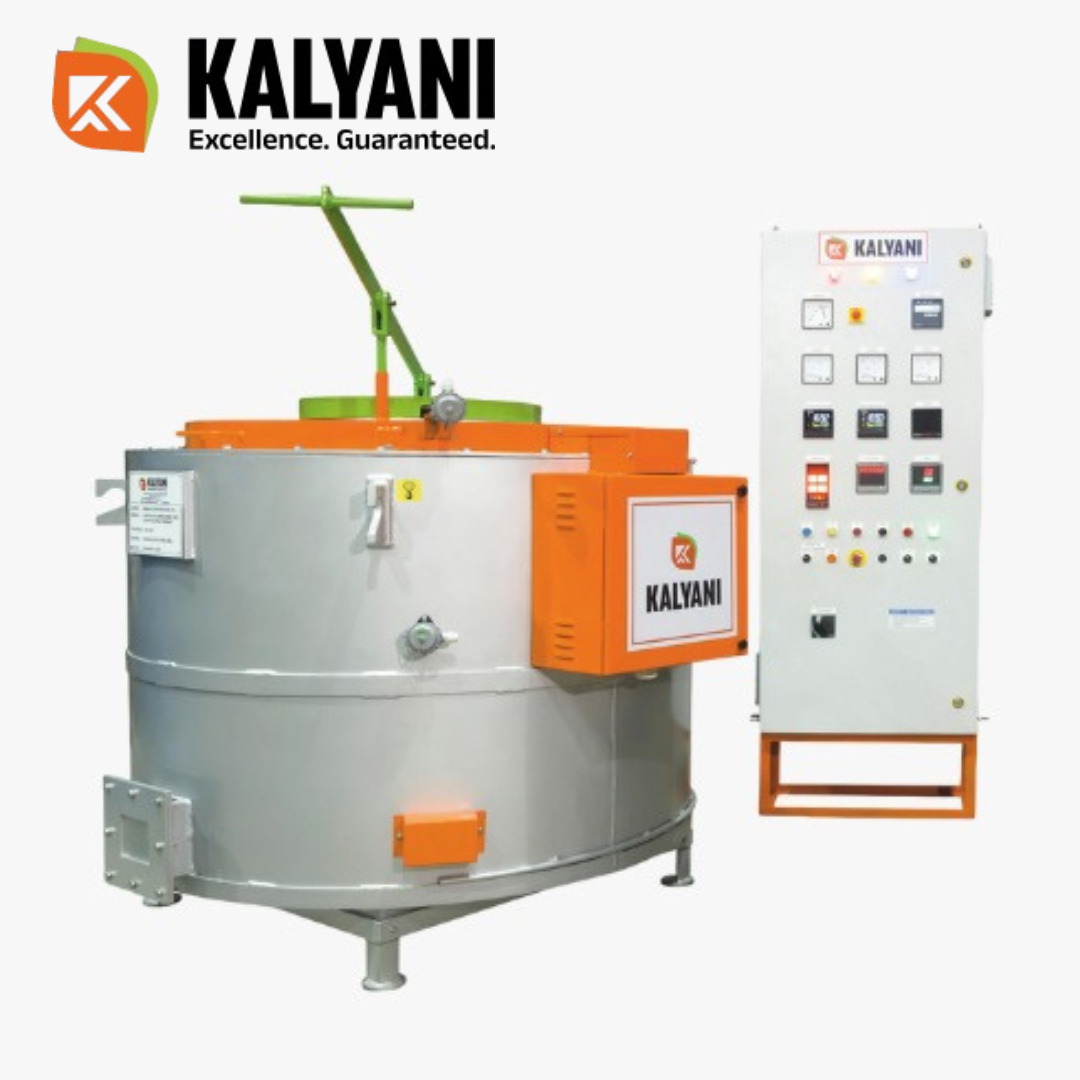
An aluminium holding furnace performs a different role from equipment primarily designed for rapid melting. Once aluminium has been melted and prepared for casting, it may need to remain at a controlled temperature until the downstream process is ready. The holding furnace provides this controlled thermal environment and can therefore influence casting consistency, production continuity, and energy use.
For foundries and aluminium component manufacturers in Pune, maintaining molten metal at an appropriate temperature is particularly important when casting operations run continuously or when there is a gap between melting and pouring. Allowing the metal temperature to fluctuate unnecessarily may affect process stability and increase the energy needed to restore the required condition.
What Does an Aluminium Holding Furnace Do?
The primary purpose of an aluminium holding furnace is to maintain molten aluminium within the required process temperature range. It is generally not selected simply on the basis of maximum temperature. Capacity, heat loss, temperature uniformity, metal transfer frequency, and downstream consumption should all be considered.
A suitable holding arrangement can help:
Maintain a stable molten metal temperature
Coordinate melting and casting operations
Reduce unnecessary reheating
Support consistent metal availability
Improve production flow
Minimise avoidable temperature fluctuations
The appropriate holding capacity depends on the casting process. A facility with continuous metal consumption may require a different configuration from a plant operating batch-based casting equipment.
Why Is Temperature Control Important?
Molten aluminium should not be exposed to uncontrolled heating. Excessive temperatures can increase oxidation and contribute to unnecessary energy consumption. At the same time, allowing the metal temperature to fall below process requirements can interrupt production.
Reliable temperature monitoring and control are therefore central to holding furnace operation. Operators need clear process parameters and suitable instruments so that adjustments can be made without repeatedly overheating the metal.
Furnace insulation is equally important. Heat escaping through the furnace structure must be replaced by additional energy. Appropriate refractory and insulation arrangements help reduce avoidable heat losses while maintaining suitable operating conditions.
Melting Furnace and Holding Furnace Are Not the Same
One common planning mistake is treating melting and holding as identical requirements. A melting furnace must supply enough thermal energy to convert solid aluminium into molten metal within the required production cycle. A holding furnace is primarily expected to preserve the condition of already molten metal.
Separating these functions can make sense in production environments where the melting rate and casting consumption rate differ. A holding furnace can act as a controlled thermal buffer between the two stages.
This is particularly relevant to foundries and engineering units in Pune and Maharashtra that manufacture aluminium castings for automotive, industrial equipment, electrical, engineering, and other applications.
What Should Buyers Check?
When evaluating an aluminium holding furnace, buyers should examine usable holding capacity, operating temperature range, heating method, temperature control, refractory construction, access for cleaning and maintenance, metal transfer arrangements, and compatibility with existing casting equipment.
Production teams should also estimate how frequently metal will enter and leave the furnace. These movements affect temperature stability and should be considered during furnace sizing.
KALYANI FURNACES INDIA PVT LTD, Pune, serves industrial furnace requirements where equipment selection needs to reflect actual process conditions rather than capacity figures alone.
A well-planned aluminium holding furnace supports the connection between melting and casting. When capacity, heat retention, temperature control, and metal movement are properly considered, manufacturers can create a more stable production environment and reduce unnecessary thermal variation during aluminium processing.