
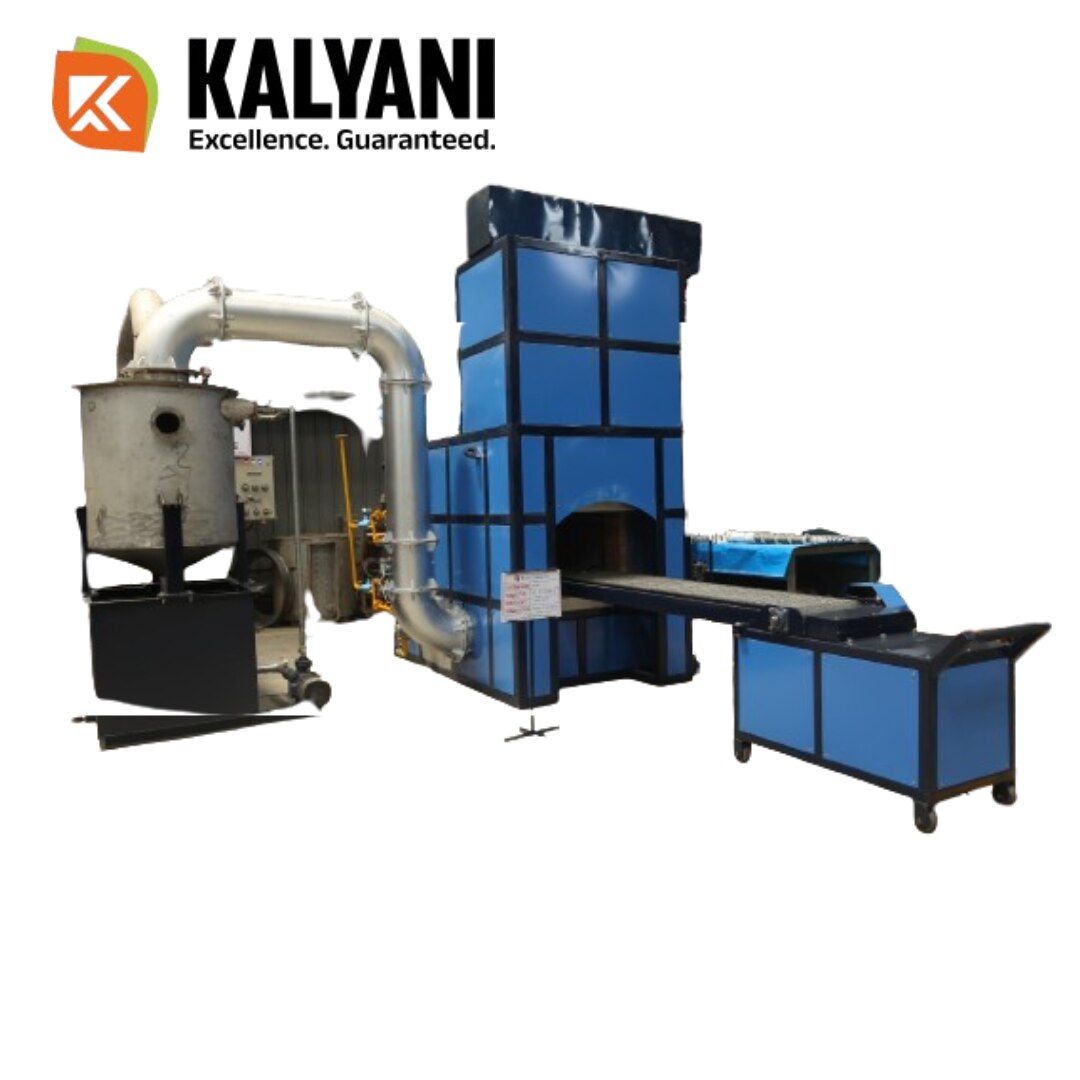
A reliable daily cycle depends on more than restarting the burner: ash, refractory damage, draft, interlocks and incomplete combustion can turn a routine shutdown into the next breakdown. By following a defined operating sequence, recovery procedure, maintenance schedule and log format, you can identify faults before they damage the equipment or compromise cremation performance.
Key takeaways
- Repeat pre-start, operating and shutdown checks every cycle.
- Clean ash and deposits from hot-face parts after cooling.
- Isolate fuel and power before investigating ignition or flameout.
- Record loading, faults and burnout results to identify repeat failures.
Run the same sequence from pre-start inspection to shutdown
A controlled pet animal incinerator usage cycle starts with the same pre-start checks and ends with documented shutdown. Do not begin if a safety device, airflow path or combustion component fails inspection.
1. Inspect the primary-chamber hearth, refractory joints, burner tile, door seal, secondary-chamber throat and exhaust path. Confirm that ash or foreign material does not block air passages.
2. Check fuel pressure or electrical supply, combustion-air fan, damper movement, draft indication, alarms and interlocks. Do not operate with a failed door switch, high-temperature cut-out or airflow proving device.
3. Preheat the secondary chamber to the manufacturer’s specified operating condition before loading. Place only approved material loosely and evenly across the hearth, using the stated maximum batch mass; chamber volume is not a safe loading limit.
4. Keep the loading door open for the shortest practical time. Keep the load away from the door, burner opening and refractory walls, and exclude plastics, sealed containers, batteries, pressurised items, metals and other prohibited materials unless the manual and permit allow them.
5. Fire the primary chamber for controlled burnout while the secondary chamber receives and oxidises combustion gases. After loading, let the secondary chamber recover before adding another heavy load.
At shutdown, cool the chamber to the manufacturer’s ash-handling temperature, isolate fuel or electrical power as instructed, remove ash with heat-resistant tools, inspect visible refractory surfaces and close the unit against moisture and unauthorised access.
Clean the hot-face parts and schedule wear checks
After every cremation, pet animal incinerator maintenance starts with cooled ash and clinker removal from the primary hearth and secondary chamber. Use designated heat-resistant tools; never dry-sweep ash into the workspace. Sharp bone fragments and retained heat require the site’s respiratory, eye, hand and body protection, plus its defined cooling and disposal procedure.
1. Clear ash from burner openings, then inspect the door seal for gaps, hardening or tearing. Check the hearth and refractory joints for spalling, cracks or loose sections, and examine the secondary-chamber throat and exhaust path for soot, condensable deposits and ash.
Deposits can restrict draft, increase pressure drop and contribute to visible emissions during the next cycle.
2. At the end of each day, check flame stability, fuel pressure, combustion-air fan operation, damper or actuator travel and draft indication. Test door switches, high-temperature cut-outs and alarm functions; a unit that still fires can remain unsafe when an interlock or airflow proving device has failed.
3. Each week, examine burner tiles, thermocouple protection tubes, refractory retaining steel, fan belts or couplings, flue access points and cleanout doors for distortion, deposits or looseness.
4. Each month, test interlocks and airflow proving devices under the manufacturer’s procedure, verify temperature sensors against an approved reference, inspect electrical terminals and insulation, and review fuel use, recovery time and alarm trends.
Isolate the unit and arrange repair when refractory damage reaches the steel shell, burner tile or sensor protection. Small losses can create hot spots, air leakage, distorted steelwork or false readings in pet cremation equipment.
Recover safely after ignition failure, flameout or poor burnout
Safe pet incinerator recovery means stopping the cycle at the control panel, closing the loading door, isolating fuel or electrical energy as the manual directs, and waiting until the chamber and flue reach the specified safe condition. Do not create a fire or control-system hazard by pressing ignition repeatedly or bypassing an interlock.
1. After failed ignition, flameout, power interruption or a high-temperature trip, read the burner manual and control-panel alarm. Record the alarm code before resetting anything.
2. Restart only when power is stable, fuel pressure is correct, the combustion-air fan runs, air and exhaust paths are open, the flame-safeguard sequence is available, chamber temperature is acceptable and no alarm remains active. Treat any load inside as hot material; open the door only when the manufacturer’s procedure permits it.
3. For incomplete cremation, check load mass and moisture, door-open time, draft, excess-air movement, burner flame, secondary-chamber temperature and thermocouple condition. Persistent smoke, stack flames, strong odour, unburned material, excessive ash or abnormal temperature behaviour means combustion remains incomplete.
4. Do not increase fuel alone. More firing without matching air, mixing and residence time can produce reducing conditions and more smoke. For applicable European Union animal-by-products installations, combustion gases must reach at least 850°C for at least two seconds; specified hazardous material has higher requirements. Confirm the classification and permit before restarting.
Treat every pet animal incinerator usage cycle as evidence for pet incinerator recovery decisions: if faults persist, isolate the unit and call a qualified technician rather than forcing another cycle.
Match daily checks to gas, electric or hybrid equipment
Gas-fired, electric and hybrid pet cremation equipment need different daily checks because their failure points sit in different systems.
| Configuration | Daily checks | Compare before modifying or replacing |
|---|---|---|
| Gas-fired | Ignition, flame stability, fuel pressure, valves, combustion-air fan, flame-failure protection and flue draft | Fuel supply, burner capacity, valve train, fan controls, draft equipment and service access |
| Electric | Heating elements, terminals, insulation, contactors or solid-state relays, phase balance and available electrical load | Rated kilowatts, phase supply, protective devices, element replacement access and heat-up recovery |
| Hybrid | All gas and electric checks, plus changeover sequence and power-interruption response | Which source starts first, interlocks, controller logic, simultaneous-operation limits and restart conditions |
Confirm that the electrical supply carries the rated kilowatts during heat-up without nuisance trips. Never cure a trip by fitting a larger protective-device rating; have a qualified person find the overload or fault.
Across every pet animal incinerator, compare recovery time after door opening, secondary-chamber control, sensor placement, draft equipment, cleanout access and planned downtime. Burner output alone can hide poor recovery caused by load mass, moisture, door-open time or restricted exhaust.
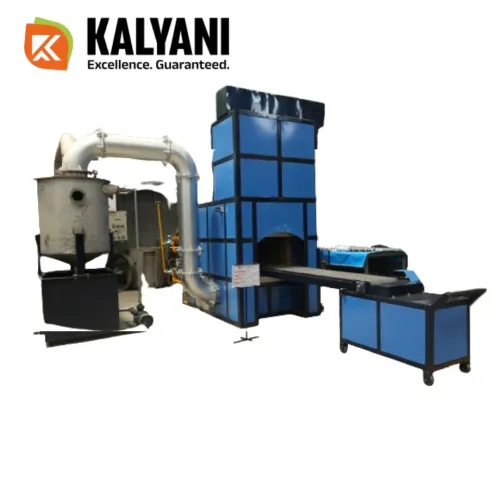
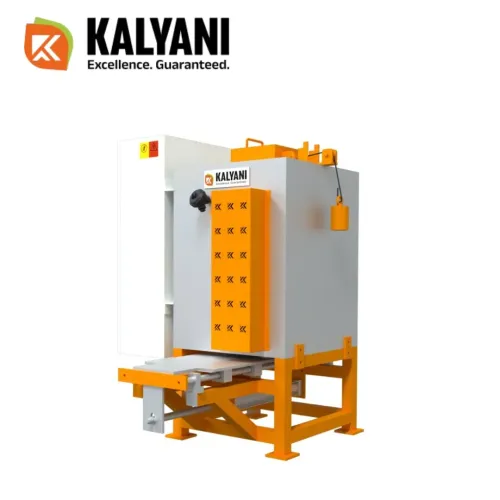
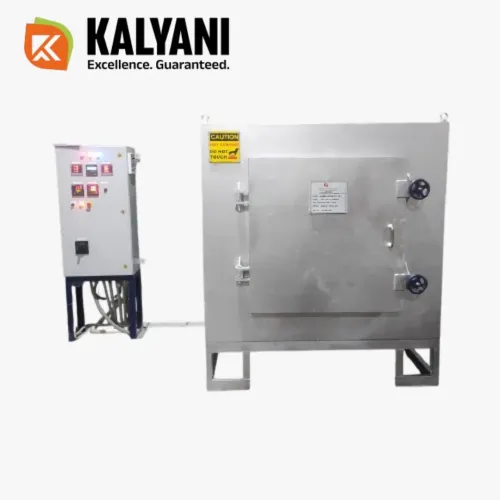
The correct pet cremation equipment must suit your permitted load, electrical infrastructure, fuel availability, service access and batch pattern. Ask KALYANI FURNACES INDIA PVT LTD to document rated load, control logic, sensor locations and recovery sequence; an aluminium melting furnace has different charge, refractory, measurement and exhaust requirements.
Related product
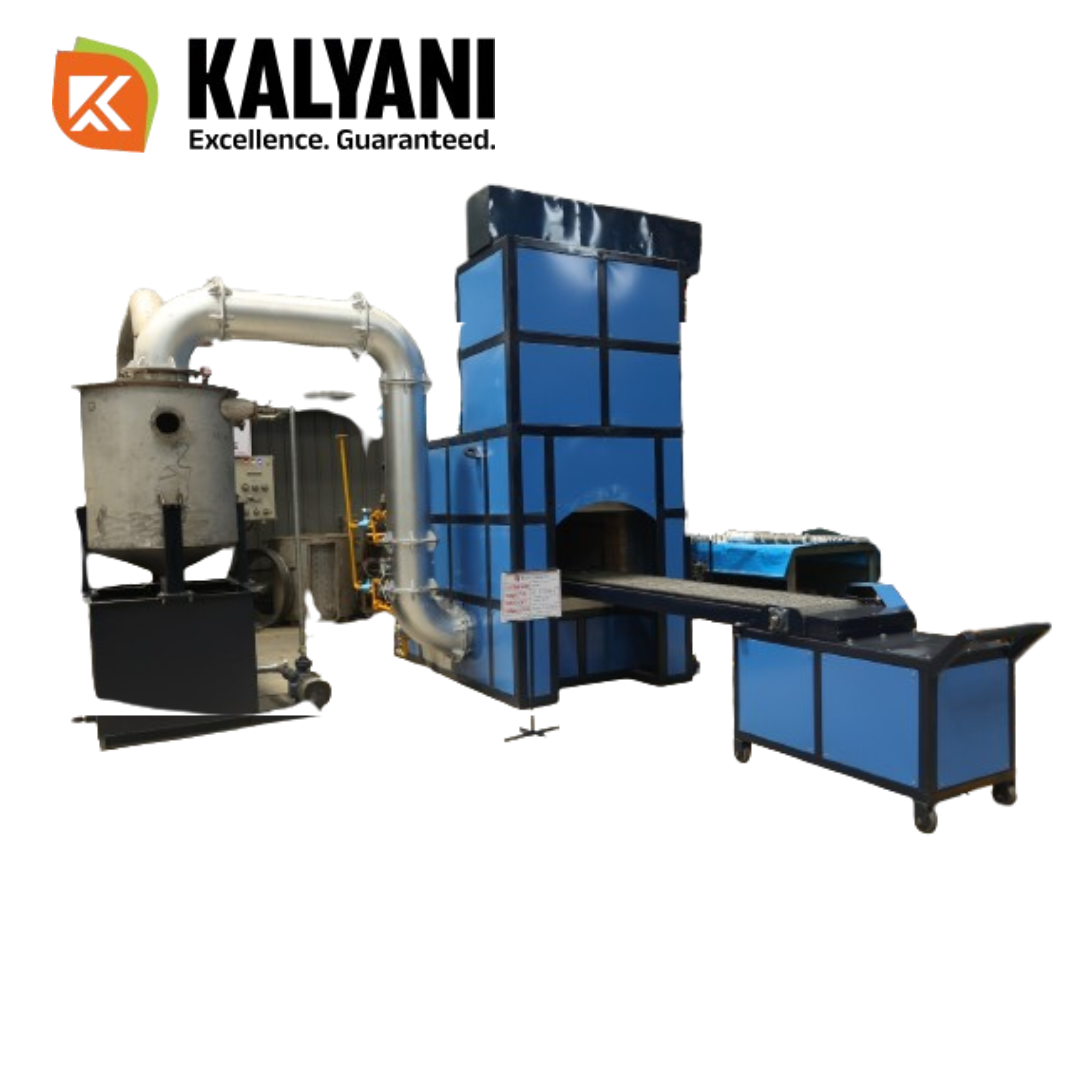 | CREMATORIUM & INCINERATORS Pet Animal Incinerator (Gas / Electric / Hybrid) Product Overview The Pet Animal Incinerator (Gas / Electric / Hybrid) by Kalyani Furnaces India Pvt. Ltd. |
Use loading limits and records to prevent repeat failures
Record every cycle before the next load enters the chamber.
Use one row such as: date | animal identification or load description | mass | operator | start time | loading-door-open time | end time | primary temperature | secondary temperature | fuel consumed or kWh | alarms | interruptions | ash mass or container number | visible emissions | defects | corrective action.
1. Compare the actual batch mass with the manufacturer’s maximum. Split an oversized workload into smaller loads; do not tightly pack the hearth, because restricted airflow extends burnout and overloads pet incinerator recovery.
2. Record recovery time and temperature behaviour after loading and after opening the door. A gradual change can expose blocked exhaust passages, a drifting thermocouple, refractory loss, wetter loads or declining burner performance before a trip.
3. Treat temperatures as evidence, not proof of uniform combustion. Sensor position, flame impingement, excess air, refractory condition and load moisture can produce a normal reading alongside poor burnout.
4. Record fuel or power interruptions, alarm codes, isolation steps and failed-cycle conditions. “Did not burn” is not enough: the details help separate a fuel fault, draft restriction, loading error, sensor problem or inadequate secondary-chamber recovery.
Review the log against permit conditions and the manufacturer’s service intervals. Include ash recovered, visible-emission events and defects found; those entries give pet animal incinerator maintenance staff a specific, safer starting point instead of a vague complaint.
Frequently asked questions
What sequence should you follow when using a pet animal incinerator?
Repeat the same sequence: inspect safety devices, airflow paths and combustion components before starting; monitor the cycle; then complete controlled shutdown and document the result.
Which parts need cleaning after daily pet incinerator usage?
After the equipment cools, remove ash and deposits from the chamber floor, hearth, burner area, flame path and other hot-face parts. Schedule wear checks for refractory linings, burner components, seals and thermocouples.
What should you do after an ignition failure or flameout?
Stop the cycle, isolate the fuel and electrical supply according to the equipment procedure, allow the chamber to purge, and investigate the cause before attempting a restart. Do not repeatedly reset an unexplained fault.
How do daily maintenance checks differ between gas, electric and hybrid equipment?
Gas units require checks of burners, ignition, flame detection, valves and gas connections. Electric units require checks of heating elements, terminals, contactors and temperature controls. Hybrid units require both sets of checks.
How do loading limits and records prevent repeat incinerator failures?
Stay within the rated load and loading arrangement, then record the load, cycle settings, fault codes, burnout result, cleaning performed and parts needing attention. Compare records when the same problem returns.