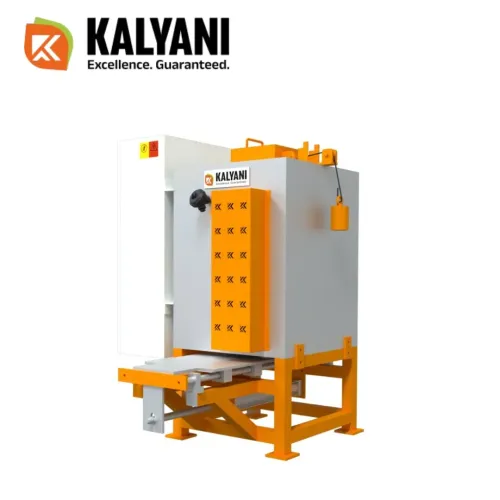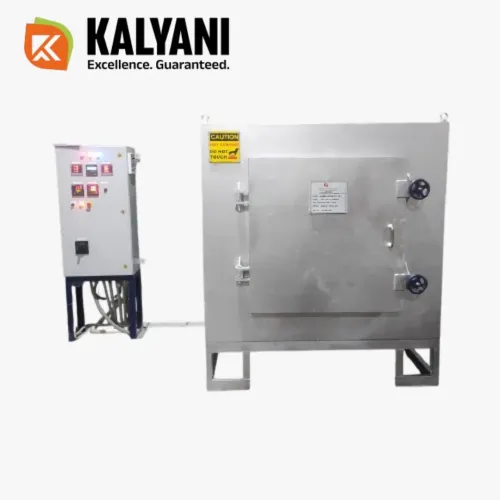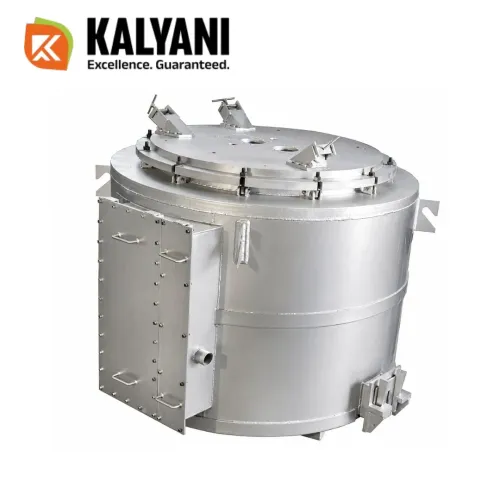

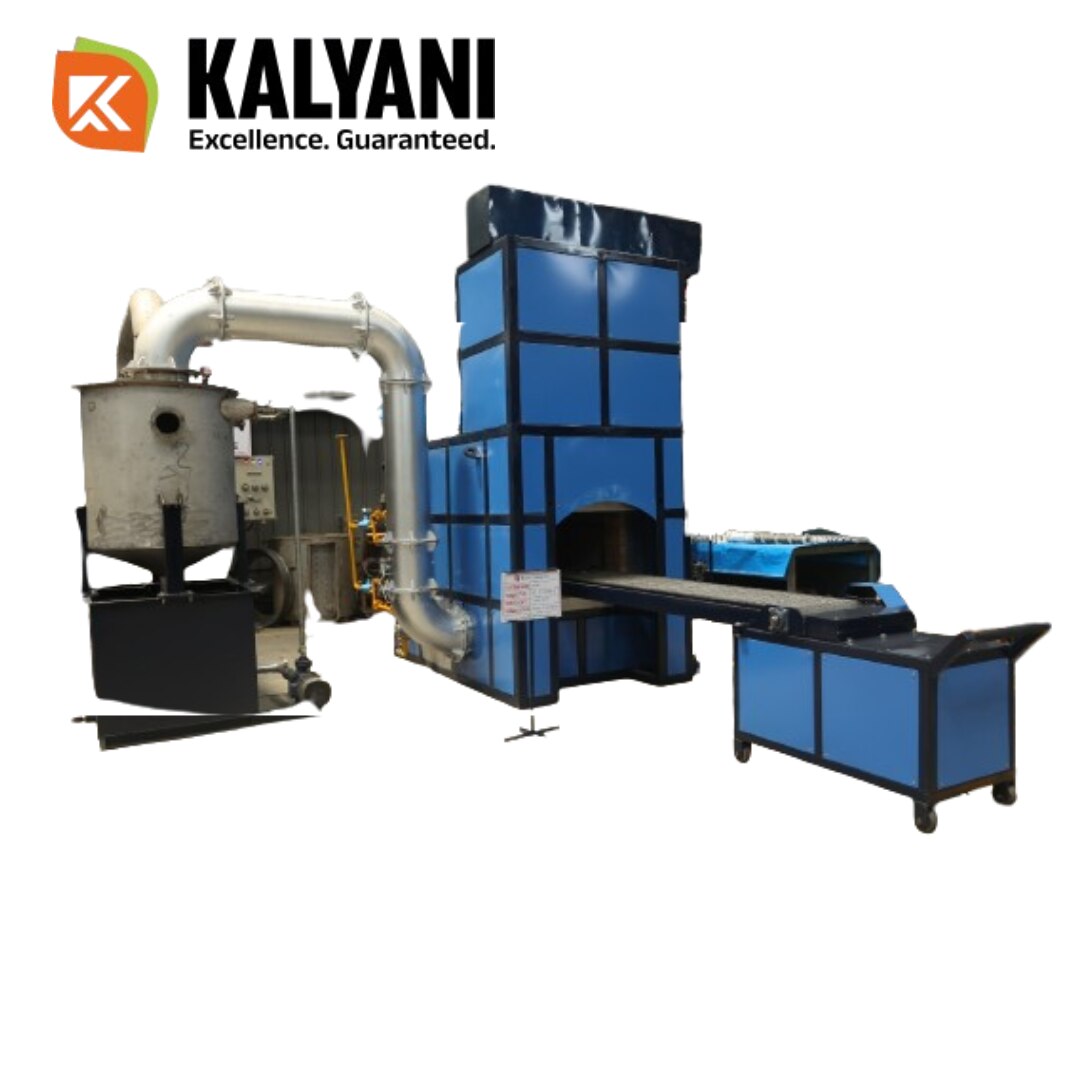
A gas-fired system is more than a burner under a furnace: it combines staged combustion, controlled airflow, safety interlocks and exhaust treatment to process a large carcass. By the end, you will know how the equipment operates, what its quoted capacity means, which site data to request, and how to compare fuel and performance claims.
Key takeaways
- Treat 200–250 kg/hr as a design rating, not a guaranteed carcass load.
- Confirm the primary chamber, secondary chamber and afterburner arrangement.
- Request fuel pressure, electrical-load and ventilation requirements before site planning.
- Ask for permitted species, emissions test reports and operating-limit documents.
What the gas-fired system contains and how it differs from electric designs
A big animal incinerator gas system is a batch-loaded, two-stage thermal-treatment unit: you load a carcass into the primary chamber, then burn the resulting smoke and gases in a secondary chamber or afterburner.
If you searched what is a big animal incinerator gas for system, the answer is a complete combustion installation, not merely a gas burner. Gas animal incinerator basics include:
- A steel primary chamber with refractory lining, hearth, loading door and burner ports. The refractory protects the shell from repeated heat, impact and corrosive gases.
- Gas burners, a fuel train with regulators and automatic shutoff valves, ignition equipment, flame supervision, combustion-air controls and safety interlocks.
- A secondary chamber or afterburner, chimney, control panel and exhaust treatment such as a cyclone, filter or scrubber where the application requires it.
| Configuration | Heat source | Main distinction |
|---|---|---|
| Gas-fired | LPG, natural gas or another fuel | Direct heat, staged firing and dependence on a fuel supply and burner train |
| Electric | Resistance elements | No on-site combustion fuel, but reliance on electrical capacity and element condition |
| Hybrid | Resistance elements plus fuel-fired support | Electric heating combined with burners for support, peak demand or difficult loads |
Do not infer the fuel from the word gas. Confirm whether the unit accepts LPG, natural gas or another specification, including pressure and consumption, with the manufacturer.
How one cremation cycle controls heat, oxygen and smoke
A reliable cycle starts with inspection, not ignition. Confirm refractory condition, burner and flame-safety status, fuel pressure, fan operation, door seals, interlocks, alarms and a clear ash route. Use this sequence as a practical animal cremation equipment guide:
- Load the approved carcass within the stated mass and volume limits, then close and latch the loading door.
- Run the pre-purge to clear unburned gas from the chambers and confirm airflow.
- Ignite the burners under automatic flame supervision; stage burner output rather than firing maximum power continuously.
- Hold the primary chamber at its specified combustion temperature while controlled air supports drying, flame and burnout.
- Route smoke and volatile gases into the secondary chamber, where added oxygen and burner heat complete gas-phase combustion.
- Continue final burnout with auxiliary gas until visible flame, remaining carbon and prescribed temperature conditions are satisfied.
- Stop fuel, maintain the approved cooldown and draft sequence, then open the door only when safe.
- Remove cooled ash and metal fragments, and clean the hearth, door area, air inlets and flue access points.
Water in a wet carcass consumes heat before it evaporates. Loading several wet carcasses into a cold chamber can collapse temperature, producing smoke, carbon monoxide and incomplete burnout.
Confirm controlled draft, oxygen supply, carbon-monoxide monitoring and burner staging. Where the applicable rule uses it, verify the secondary chamber reaches 850 °C for two seconds. Accept the cycle through logged temperatures, residence-time evidence, oxygen and carbon-monoxide readings, plus an approved emissions test—not by opening the door prematurely.
What the 200–250 kg/hr rating actually tells you
A quoted 200–250 kg/hr figure is not a purchase specification until you know exactly what it measures. For anyone searching big animal incinerator explained, the key distinction is whether the number means animal input mass per hour, average batch throughput, or a theoretical rate achieved with auxiliary gas under stated conditions.
A batch machine is not automatically a continuous-feed machine.
1. Ask the supplier to define the rating in writing, including carcass moisture, species, loading pattern, ambient temperature, target burnout, chamber temperature and auxiliary-gas use. Water consumes heat while evaporating; fat, bone, carcass density and species alter combustion, so the same machine will not deliver one universal rate.
- Actual primary-chamber length, width and height
- Usable loading volume, not merely gross volume
- Maximum animal length, height and single-load weight
- Loading-door width and height
- Floor load rating
- Confirmation that whole cattle, horses, pigs or other target carcasses can enter intact
3. Require a demonstrated cycle with your real carcass type and condition. Record the loaded mass, start and finish times, burner fuel use, primary and secondary temperatures, burnout result, ash quantity and any smoke or carbon-monoxide event. A brochure rate cannot prove that a wet horse or dense cattle carcass will complete the cycle reliably.
4. Treat the result as site-specific capacity, not a promise of hourly production. If the supplier cannot reproduce the quoted throughput with representative carcasses, defined fuel conditions and logged data, the figure cannot support your purchase decision.
Which fuel, burner and site utilities does the installation need
Specify the utility package before comparing burner prices. Gas animal incinerator basics include exact fuel (LPG, natural gas or another gas), start-up and steady-state consumption, inlet pressure, burner input, turndown range, regulator and filter sizes, control-panel and fan voltage, ventilation, induced-draft fan capacity, damper arrangement, and chimney diameter and height.
Ask the supplier to document:
- Pre-purge time, automatic shutoff valves, fuel-pressure proving, ignition sequence, flame-failure response, high-temperature limits and door interlocks.
- Backup procedure for a gas outage or power failure, including safe shutdown, emergency ventilation and restart checks.
Controlled draft matters as much as burner capacity. Incorrect pressure balance can pull false air through door seals, push smoke into the loading area or starve the secondary chamber of oxygen. Match the induced-draft fan, combustion-air inlets, dampers and stack as one system; an oversized fan can cool the chamber and destabilise combustion.
| Option | Site requirement | Main constraint |
|---|---|---|
| LPG | Storage tank, vaporiser or suitable pressure regulation, delivery access and fire controls | Tank setbacks, refilling logistics and limited storage space |
| Natural gas | Pipeline connection, meter, regulator and pressure protection | No pipeline means connection delays or no practical supply |
| Diesel | Bunded liquid-fuel tank, pump, filter and atomising burner | Spill controls, fuel handling and higher maintenance |
| Other fuel | Confirm approved burner, storage, emissions and delivery arrangements | Do not assume interchangeability |
Keep electrical backup for controls and fans within the safety design; a generator must not restart firing automatically after an outage.
How to compare permitted uses, emissions evidence and supplier claims
Compare large animal incinerator uses by feedstock and permit, not by chamber size alone. A unit that handles livestock and equine mortality is not automatically approved for veterinary or farm disposal, or for disease-incident response.
| Use | Feedstock to confirm | Permission question |
|---|---|---|
| Routine mortality | Livestock and equine carcasses | Does the permit cover the species and site? |
| Veterinary or farm disposal | Farm losses, pathological waste or animal by-products | Are pathological or infectious materials authorised? |
| Disease-incident response | Carcasses linked to a controlled disease event | Does the emergency or disease permit specify this method? |
Physical capability does not establish legal permission for animal by-products, infectious material, pathological waste or chemically contaminated carcasses. Ask the regulator to identify the permitted waste classification, operating limits and required emissions tests before installation.
Non-gas outputs need equal attention: cooled mineral ash, bone fragments, metal tags, horseshoes and surgical hardware remain after firing. Specify dust-controlled ash access, cooling arrangements, cleaning intervals and the disposal classification; otherwise ash removal can expose workers or create an unplanned waste stream.
Require these records and contract terms:
- Fuel consumption at defined load points
- Logged primary and secondary temperatures
- Residence-time evidence, plus oxygen and carbon-monoxide data
- Particulate, nitrogen oxides, acid gases and dioxin/furan results where required
- Ash quantity from a representative cycle
- Refractory warranty and burner-service coverage
- A witnessed test cycle using representative carcasses
KALYANI FURNACES INDIA PVT LTD is one supplier to ask for these specifications; its published rating is not proof of performance at your site.
Related product
 | CREMATORIUM & INCINERATORS Big Animal Incinerator (Gas / Electric / Hybrid) Big Animal Incinerator (Gas / Electric / Hybrid) Product Overview The Big Animal Incinerator (Gas / Electric / Hybrid) is designed for efficient and... |
Frequently asked questions
What does a gas-fired big animal incinerator contain?
It contains a primary chamber for the carcass, a secondary chamber or afterburner for smoke and gases, burners, controls and a flue system. Unlike an electric design, it uses combustion fuel as its main heat source.
How does one cremation cycle control heat, oxygen and smoke?
The primary chamber heats the carcass and produces gases. The secondary chamber burns those gases at controlled temperature and residence conditions, while combustion-air controls support complete burning before discharge through the flue.
What does a 200–250 kg/hr rating mean?
It indicates a stated processing-rate range under defined operating conditions. It does not guarantee that every carcass, moisture level, loading pattern or cycle will achieve that throughput.
Which utilities does a gas animal incinerator need?
The installation needs a specified fuel supply, electrical power for controls and motors, combustion and ventilation air, and the site connections required for the flue and safe operation. Confirm exact pressure, load and connection data with the supplier.
How should you compare animal incinerator supplier claims?
Compare the permitted species and uses, rated capacity basis, fuel consumption, chamber and afterburner specifications, emissions test evidence, operating limits and installation requirements. Ask for documents rather than relying on capacity or marketing claims alone.