
A ladle heater does not melt aluminium; it dries the ladle and brings its shell and refractory to a controlled service temperature before charging. By the end, you will be able to distinguish a suitable ladle preheating furnace from a general industrial oven, define a safe operating cycle, and compare gas-fired and electric options for a Delhi plant.
Key takeaways
- Remove moisture before molten aluminium enters the ladle.
- Inspect the shell, lining, burner or elements before heating.
- Choose gas or electric heating based on throughput, ventilation and energy access.
- Measure ladle temperature directly instead of relying on chamber readings.
Why a ladle is heated before molten aluminium enters it
Foundry ladle heating explained: the empty ladle’s steel shell and refractory lining are dried and brought to a controlled service temperature before molten aluminium enters. This removes condensation and residual moisture; if water contacts aluminium, it can flash into steam and eject metal. Dry refractory also reduces hydrogen-related porosity risk during transfer.
A foundry furnace introduction should separate these duties because each has a different heat load, burner or element arrangement, and control objective.
| Duty | What it does | Main control objective |
|---|---|---|
| Melting | Converts solid aluminium into liquid metal | Supply enough heat to reach the alloy’s melting range and manage oxidation |
| Holding | Keeps molten aluminium at a usable temperature | Limit temperature loss, overheating, dross and unnecessary energy use |
| Ladle heating | Heats the empty shell and refractory before charging | Dry the lining and reach the specified ladle temperature uniformly |
| Transfer | Moves molten aluminium from furnace to mould or another vessel | Prevent spills, excessive cooling and contamination during movement |
A preheater is therefore not a melting furnace. It heats the ladle, not the charge, and it does not replace a holding furnace or guarantee safe transfer. The target is not the hottest possible ladle: excessive heat can accelerate refractory wear, oxidation and contamination, while insufficient heat promotes chilling and unstable flow.
Set the temperature from the refractory supplier and casting process; aluminium ladles commonly use several hundred degrees Celsius, below the temperatures often used for steel ladles.
What a ladle preheating furnace must contain
A suitable unit starts with the ladle, not the oven catalogue. State capacity, empty mass, shell dimensions, refractory type and thickness, starting temperature, target refractory temperature, heat-up time, cycles per shift, utility, Delhi ambient conditions, and allowable temperature uniformity. Heating capacity in kW alone cannot show whether the refractory will dry evenly.
These are the ladle preheating furnace basics that define chamber volume, heat-source rating, and control range.
| Feature | Gas-fired design | Electric design |
|---|---|---|
| Heat source | Direct flame delivers rapid heat-up for large ladles | Resistance elements provide clean heat inside an enclosed chamber |
| Heat distribution | Burner angle and flame sweep must reach the refractory without hot spots | Element spacing and shielding must prevent local overheating |
| Atmosphere | Exhaust, ventilation, purge, and combustion-air supply are essential | No combustion exhaust, but elements need protection from impact and metal splash |
| Controls | Flame-failure, low-air, low-gas, high-temperature, and emergency isolation interlocks | Over-temperature cut-out, element isolation, and door or access interlocks |
Use a chamber or hood that encloses the ladle while leaving a defined exhaust path. A robust support must hold the empty mass without blocking heat flow or drainage.
Install thermocouples where they measure refractory temperature, not only chamber air; the refractory supplier must set the target because aluminium ladles need different temperatures from steel ladles. For industrial ovens for foundry ladle heating in Delhi, specify combustion safeguards under the applicable Indian rules, using NFPA 86 as a useful benchmark.
A general drying oven fails if it lacks ladle support, heat circulation, drainage, or proof of uniform refractory heating.
The heating sequence: inspection, dry-out, preheat and charging
Take an empty ladle to a verified charging condition in one controlled sequence: inspect it, drain it, dry the refractory, preheat it, then confirm temperature at the lining before molten aluminium enters. This is foundry ladle heating explained in practical terms: remove water without turning the ladle into a hotter-than-needed casting variable.
1. Inspect the shell, lip, bottom, lining and plug or drain area. Reject loose refractory, open cracks, blocked drains, metal build-up and any ladle containing rainwater, wash water or condensation. Keep damp scrap and tools away from the ladle.
2. Separate dry-out from routine preheating. A newly relined or repaired ladle needs the refractory supplier’s staged ramp and hold schedule; driving it rapidly to production temperature can flash trapped moisture into steam, causing spalling or explosive ejection. Record ramp rate, hold temperatures and time.
3. For a routinely cycled ladle, use the approved heat-up recipe rather than the new-lining schedule. Heat gradually enough to remove residual moisture, with the hood or chamber exhaust operating so vapour leaves instead of condensing on the lining.
4. Verify the refractory surface or embedded thermocouple temperature at several locations, including the bottom, sidewall and lip. An oven-air reading alone can show a hot chamber while the refractory remains cold or wet.
5. Charge only after the readings meet the refractory supplier’s target and the ladle passes the visual check. Do not chase the highest temperature: overheating increases refractory wear and contamination, while an uneven or underheated ladle raises hydrogen-related porosity and freezing risk in aluminium castings.
How to choose gas or electric heating for a Delhi foundry
Specify a ladle heater by the load, not by molten-metal capacity or a headline kW figure. Record ladle capacity, empty mass, shell, refractory type and thickness, starting temperature, target refractory temperature, required heat-up time, cycles per shift and allowable temperature uniformity. Estimate Q ≈ m·Cp·ΔT, then add radiation, convection, exhaust, door and leakage losses.
Include these site details in the purchase specification:
- Gas pressure and fuel quality, or connected electrical load and voltage
- Available floor area, loading height, lid clearance and maintenance access
- Indoor or outdoor installation, ambient temperature and monsoon moisture exposure
- Exhaust outlet location, ventilation rate and permitted discharge arrangement
- Control method, temperature sensor position, alarms and data recording
| Option | Heat-up and utilities | Space, exhaust and Delhi considerations |
|---|---|---|
| Gas-fired | High heat-up rate and practical for large ladles; requires fuel train, combustion air and safety interlocks | Needs exhaust routing, ventilation and flame safeguards; compare fuel availability and demand across seasons |
| Electric resistance | No combustion products and simpler enclosed placement; requires substantial electrical capacity and shielded elements | Easier where exhaust is restricted, but check transformer capacity, demand charges and element replacement access |
For industrial heating equipment in delhi, compare total installed cost rather than heater price. Monsoon condensation and outdoor storage increase dry-out demands, while electricity tariffs, gas supply and ventilation constraints can reverse the apparent advantage.
A supplier such as KALYANI FURNACES INDIA PVT LTD should receive these operating figures before sizing industrial ovens for foundry ladle heating in delhi. For gas units, require purge, flame-failure, low-air or low-gas, high-temperature and emergency-isolation functions; NFPA 86 provides a useful safety benchmark alongside Indian authority requirements.
Related product
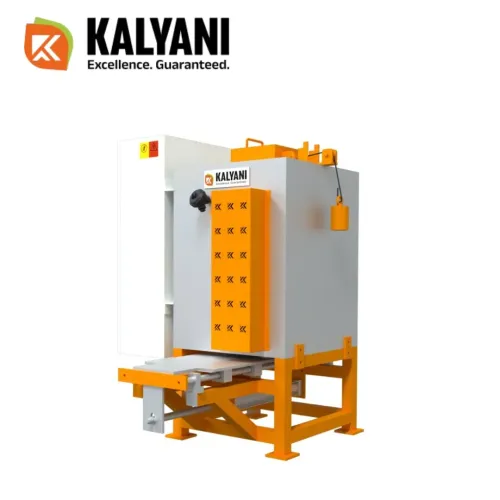
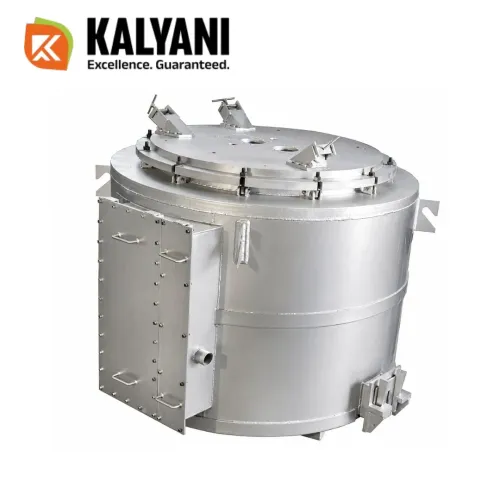
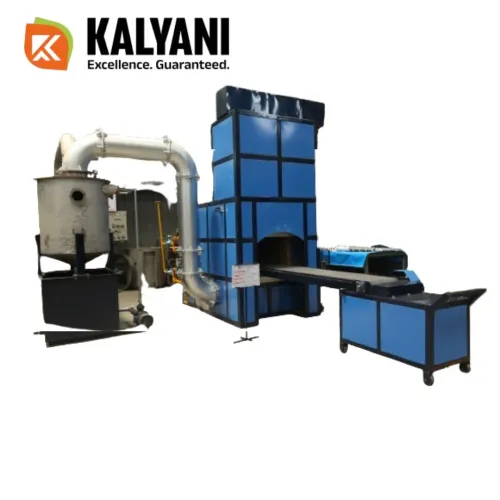
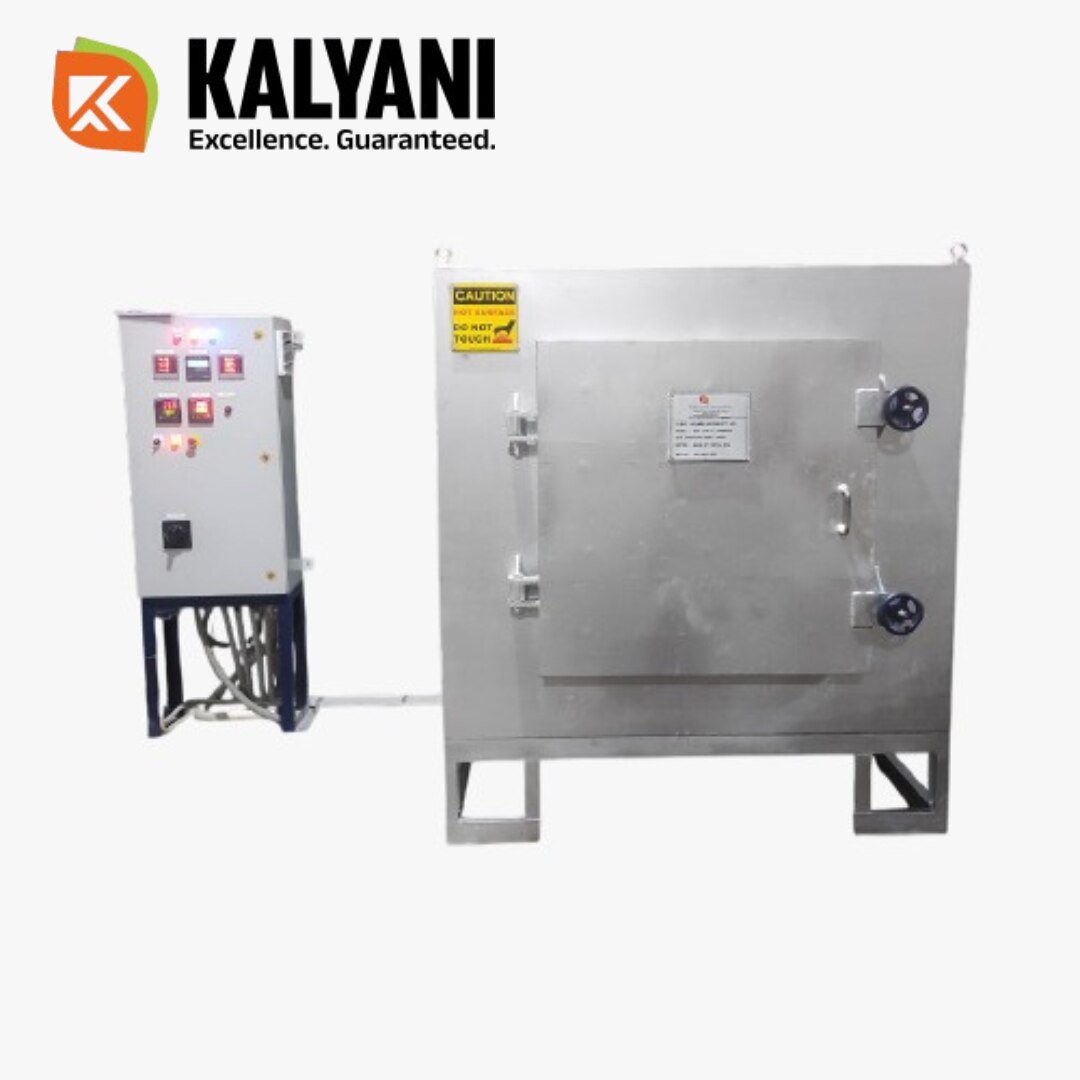
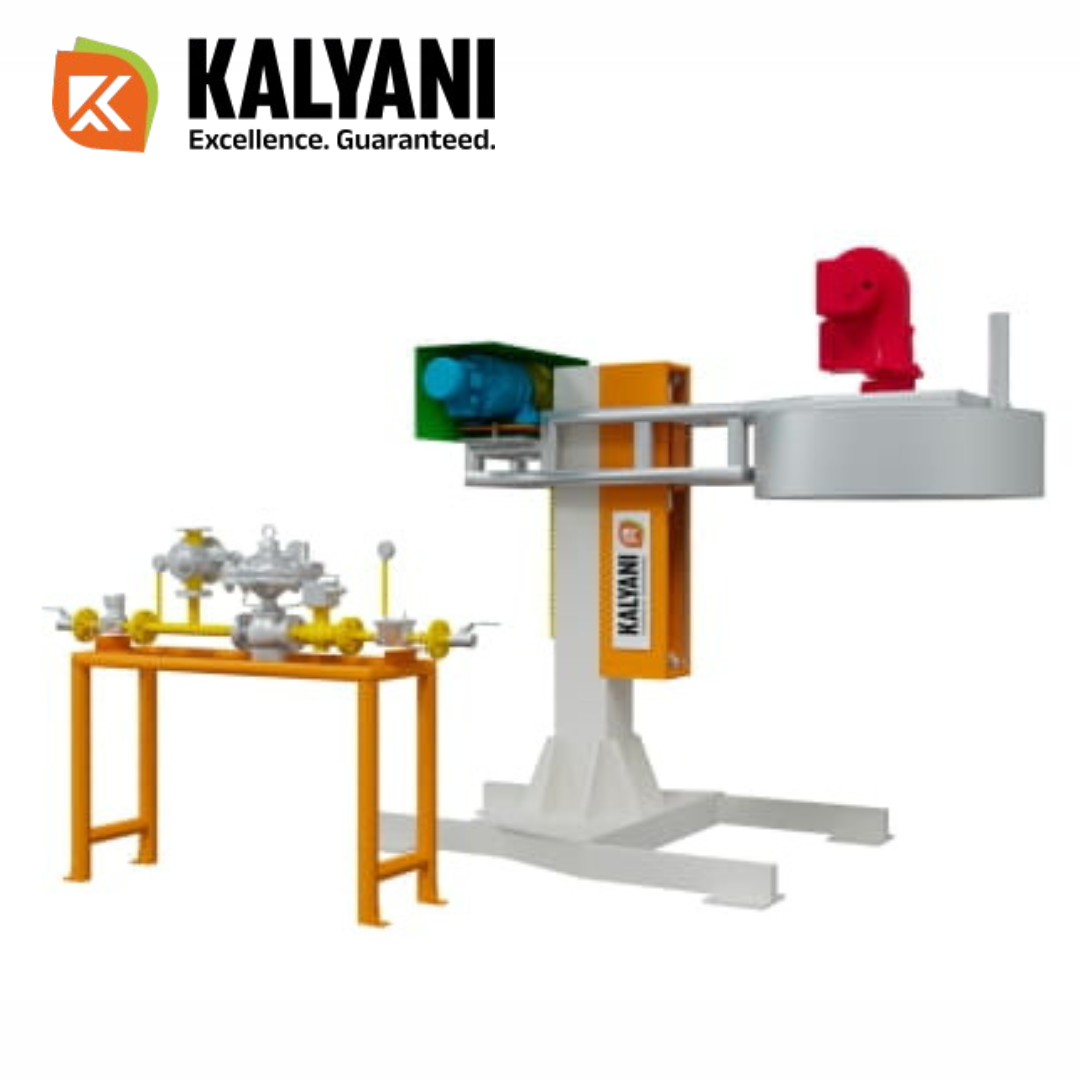 | Foundry Equipment Foundry Ladle Preheating Furnace Product Overview Kalyani Furnaces India Pvt. Ltd. is a leading Foundry Ladle Preheating Furnace manufacturer based in Pune, India, established in... |
How to prove the furnace heats the ladle, not just the chamber
The ladle preheating furnace basics include proving refractory temperature, not trusting the chamber controller alone. Mount thermocouples at the ladle bottom, sidewall and upper lining, then compare them with the exposed chamber-air sensor. A controller can show the target while a cold base retains moisture.
Run the specified ladle through a witnessed acceptance trial and record:
- Heat-up time from ambient to the approved refractory temperature
- Surface temperatures at several positions using thermocouples or an infrared camera with a documented emissivity setting
- Temperature spread between the hottest and coldest mapped points
- Fuel or electrical energy consumed per cycle
- Burner turndown, temperature overshoot and control stability
- Recovery time after opening the lid
- High-temperature, flame-failure, overtemperature and door or lid interlock operation
| Test | Evidence to accept | Fault exposed |
|---|---|---|
| Temperature mapping | Every measured point meets the agreed profile and uniformity limit | Cold zones or hot spots |
| Energy trial | Consumption stays within the specified cycle allowance | Poor insulation, excess exhaust or oversized firing |
| Control challenge | Setpoint holds without repeated hunting or overshoot | Unstable sensors, tuning or burner response |
| Lid-open recovery | The ladle returns to target within the agreed time | Weak capacity or excessive heat loss |
| Safety simulation | Each alarm shuts down or blocks firing as designed | Unsafe control logic |
Repeat mapping after relining and during periodic verification. Use a staged dry-out recipe for new refractory; a fast production cycle can trap water, causing steam damage and spalling.
Frequently asked questions
Why must a foundry ladle be heated before molten aluminium enters?
Heating dries the steel shell and refractory lining, removing moisture that could flash into steam and eject molten aluminium. Dry refractory also helps reduce hydrogen-related porosity risk during transfer.
What should a ladle preheating furnace contain?
It needs a heat source, insulated chamber, controls, temperature measurement, safe loading access and ventilation suited to the selected fuel or electrical system.
What is the correct ladle heating sequence?
Inspect the ladle, complete dry-out, raise temperature through a controlled preheat, confirm the ladle is hot, then charge molten aluminium.
Should a Delhi foundry choose gas or electric ladle heating?
Compare required throughput, available gas and electrical capacity, ventilation, operating space, temperature control and maintenance before selecting either system.
How do you prove the furnace heats the ladle rather than only the chamber?
Record temperature at the ladle lining or shell with a suitable probe or infrared check, then compare those readings with chamber measurements during the heating cycle.