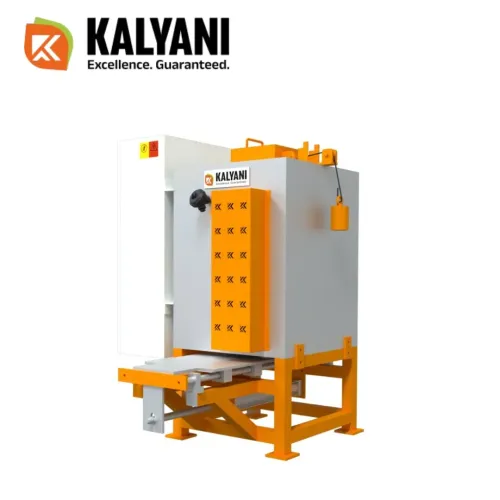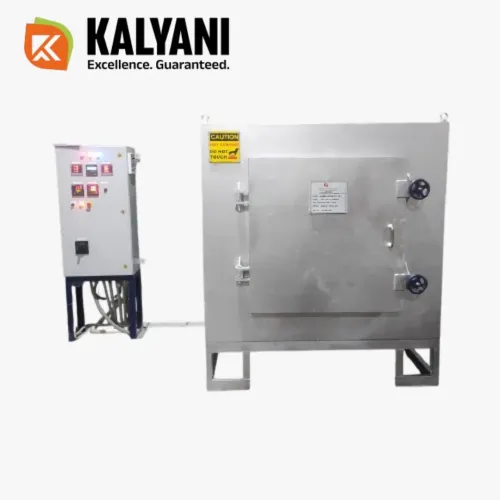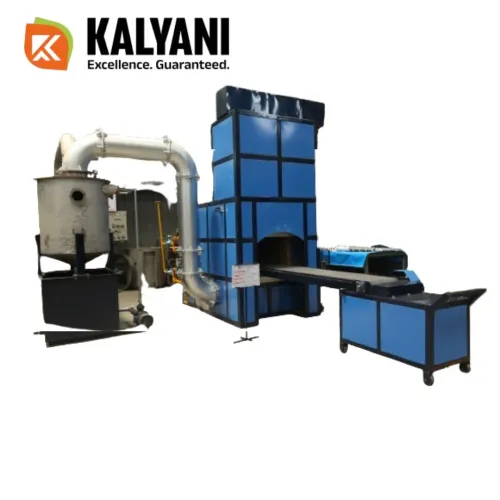

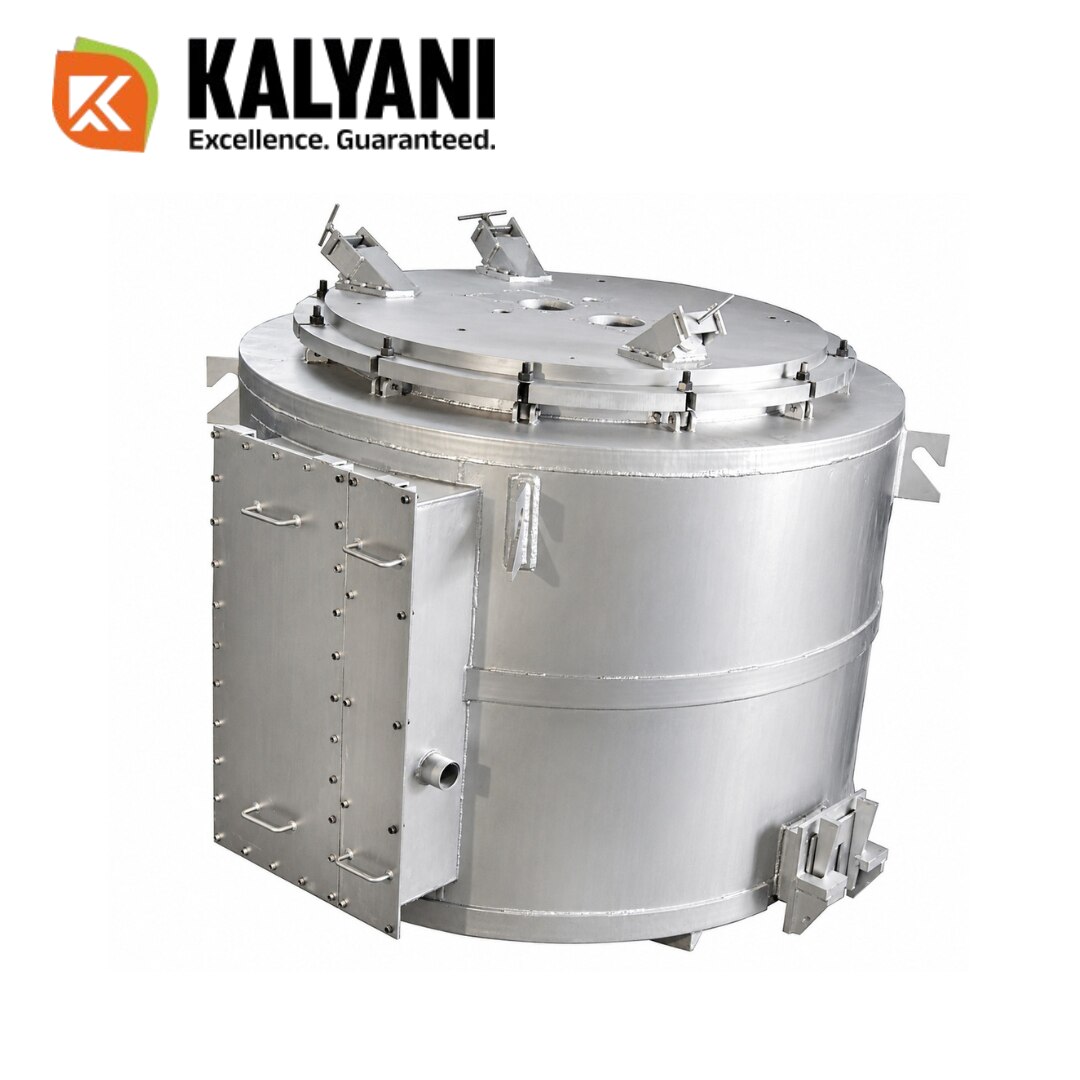
A cold, wet or unevenly heated ladle can lose metal temperature, damage its lining, create dross and introduce a serious moisture hazard. The right decision is not simply whether to buy an aluminium casting furnace, but whether your operation needs a dedicated ladle preheater, which design fits your ladles, and whether the measured savings justify the installation.
Key takeaways
- Preheating removes moisture, reduces thermal shock, and limits aluminium temperature loss.
- Choose between burners, electric heaters, batch ovens, and inline systems by fleet size.
- Measure lining temperature with a calibrated infrared camera or thermocouple.
- Calculate payback from fuel, cycle time, rejects, refractory life, and maintenance costs.
What problem does ladle preheating solve, and is a casting furnace the right purchase?
An aluminium casting furnace melts or holds aluminium; a foundry ladle preheating furnace heats an empty ladle and its refractory lining. Buying a melting or holding furnace just to warm ladles is usually unnecessarily costly, and it cannot replace the melting capacity you need for production.
Preheating removes moisture, reduces thermal shock, limits temperature loss during transfer, and prevents cold metal or premature freezing at the ladle wall and spout.
Preheat the ladle:
- Before first service, so residual moisture cannot flash into steam beneath the lining.
- After washing or relining, following the lining supplier’s drying and heat-up instructions.
- After prolonged storage, when absorbed moisture and a cold refractory mass increase cracking risk.
- Between repeated casting cycles when the ladle has cooled enough to chill the melt.
Even heating improves pouring consistency and can reduce oxidation, dross and oxide-film entrainment. It does not replace degassing or filtration; those remain separate melt-treatment steps.
A dedicated preheater earns consideration when you cycle ladles repeatedly, transfer aluminium over long distances, cast temperature-sensitive sections, or use the melt furnace to recover cold ladles. Occasional pouring and very small ladles weaken the case, especially if a controlled torch already meets the process need.
Specify a ladle preheater rather than a casting furnace when the problem is ladle temperature, not melting capacity.
Which preheating method fits your ladle fleet and production pattern?
A single-point flame can make the ladle look ready while leaving its interior cold. The hot spot can crack or erode refractory, increase oxidation and dross, and create uneven pouring; indirect, distributed or covered heating protects aluminium cleanliness better.
| Option | Cost, demand and heating time | Labour, uniformity, oxidation risk and repeatability |
|---|---|---|
| Gas torch or burner | Low purchase cost; fuel demand depends on burner size; fast at one spot | High operator labour; poor uniformity; direct flame raises oxidation and refractory risk; low repeatability |
| Electric resistance or infrared | Moderate purchase cost; substantial connected electrical load; controlled heat-up | Low labour; clean local operation and good repeatability, with uniformity depending on heater layout; low oxidation risk |
| Furnace-top heating | Lowest added cost when space and access already exist; uses existing furnace heat; speed varies | Simple but labour-intensive loading; uneven exposure and difficult measurement; repeatability and cleanliness depend on shielding |
| Dedicated ladle preheating furnace | Highest purchase and installation cost; gas or electrical demand is specified; predictable heat-up | Low routine labour; distributed, covered heating gives uniformity, low oxidation risk and strong repeatability |
Choose a movable batch unit for one ladle or occasional work, a fixed station for a regular cycle, continuous-use heating for multiple ladles, and a higher-throughput layout for a high-turnover casting line. Include floor space and ladle movement in the aluminium foundry equipment specification.
For a preheating furnace in New Delhi, gas requires approved fuel arrangements, combustion air, exhaust routing and flame-failure protection; Delhi pollution-control consent may apply. Electric systems require adequate connected load, protection and cabling, with ventilation and approved site utilities treated as installation requirements.
How should you set, measure and operate a ladle preheater safely?
Set the final preheat condition from the lining supplier’s dry-out curve and your process qualification record, not from generic marketing copy or refractory colour. There is no universal preheat temperature or heat-up time: lining material and thickness, patch repairs, ladle size and geometry, alloy family and pouring temperature determine the schedule.
- Inspect the shell, lining, bottom, spout and lifting points; identify cracks, loose refractory and patch repairs.
- Confirm the lining is dry. Never heat a wet ladle, trap moisture beneath a patch, or move the ladle before drying is complete.
- Position the ladle securely in the foundry ladle preheating furnace, with clearance for the burner, heater and lifting equipment.
- Heat the bottom and sidewalls evenly. Never aim a flame at one spot; a hot surface can conceal a cold interior and damage refractory.
- Hold the specified soak time, then record temperatures at several lining locations, heat-up time and the acceptance band.
- Transfer molten aluminium only after acceptance. Keep water, damp tools and wet additions away from the hot lining.
| Thermocouple | Required control | Infrared gun |
|---|---|---|
| Contact probe | Clean, firmly seated contact at specified bottom and sidewall locations | Set emissivity for the lining; keep surface condition and viewing angle consistent |
| Stable reading | Record each location after the probe reaches thermal equilibrium | Avoid smoke, scale, glare and oblique viewing |
| Traceability | Log sensor identification and calibration status | Log emissivity, distance and measurement locations |
Document the lining specification, ladle dimensions, measurement method and acceptance band before comparing equipment. Follow the lining instructions, equipment manual, site risk assessment and workplace rules.
How can you prove the purchase will pay for itself?
Use a 12-month worksheet, not a claimed payback period. Record:
- Heats per day; ladle capacity and empty mass; replacement or relining frequency.
- Fuel or electricity per cycle, operator minutes, warming downtime, maintenance cost and aluminium temperature drop.
- Rejected castings linked to cold or wet ladles, dross loss and refractory wear.
Calculate annual current cost as labour, energy, scrap, downtime and refractory replacement. Compare it with purchase, installation, controls, utilities, maintenance, training and planned-shutdown costs for the proposed ladle preheating furnace in New Delhi.
Test three cases: low utilisation, normal utilisation and peak utilisation. A purchase pays back only when measured savings remain positive in the low case, not merely during maximum production.
| Measure | Current process | Proposed unit |
|---|---|---|
| Cost per cycle | Fuel, labour, scrap and wear | Energy, labour, maintenance and wear |
| Quality | Temperature drop, dross, rejects | Uniformity, rejects and temperature drop |
| Capacity | Heats and downtime per day | Heat-up and turnaround time |
Before requesting a quotation for aluminium foundry equipment, send a ladle drawing and verify diameter, height, bottom shape, spout position, maximum loaded mass, refractory or ceramic-fibre lining, heater clearance, lifting and loading method, extraction, control method, power or fuel supply, floor space, heat-up time and temperature uniformity.
Also confirm warranty, commissioning, spare parts and service coverage in New Delhi.
Evaluate KALYANI FURNACES INDIA PVT LTD by requesting a configuration based on that drawing and a documented trial, not a maximum-temperature brochure claim. Record the trial’s energy, heating time, temperature spread and lining condition.
Related products
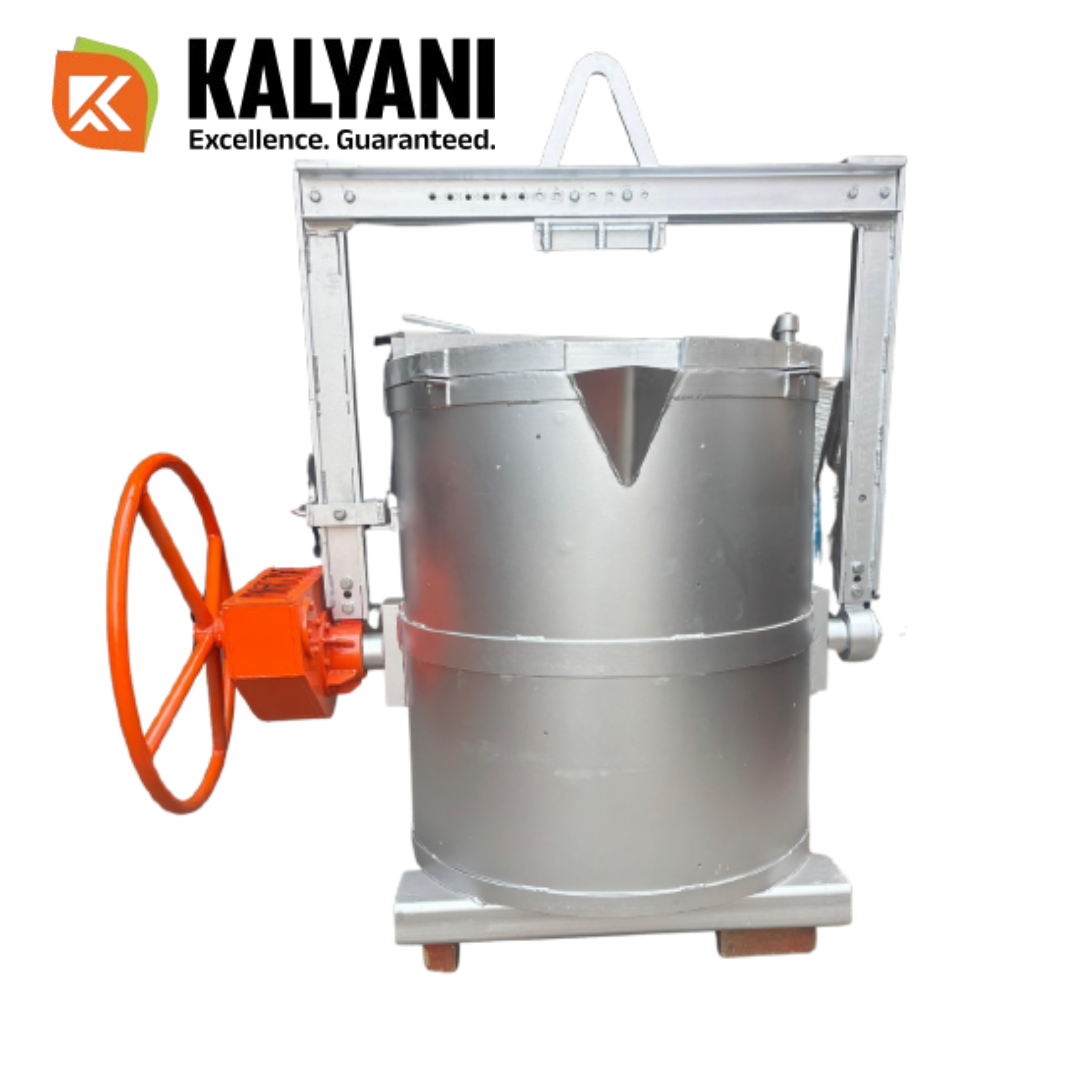 | Foundry Equipment Molten Aluminium Transfer Ladle Product Overview Kalyani Furnaces India Pvt. Ltd. is a leading Molten Aluminium Transfer Ladle manufacturer based in Pune, India. |
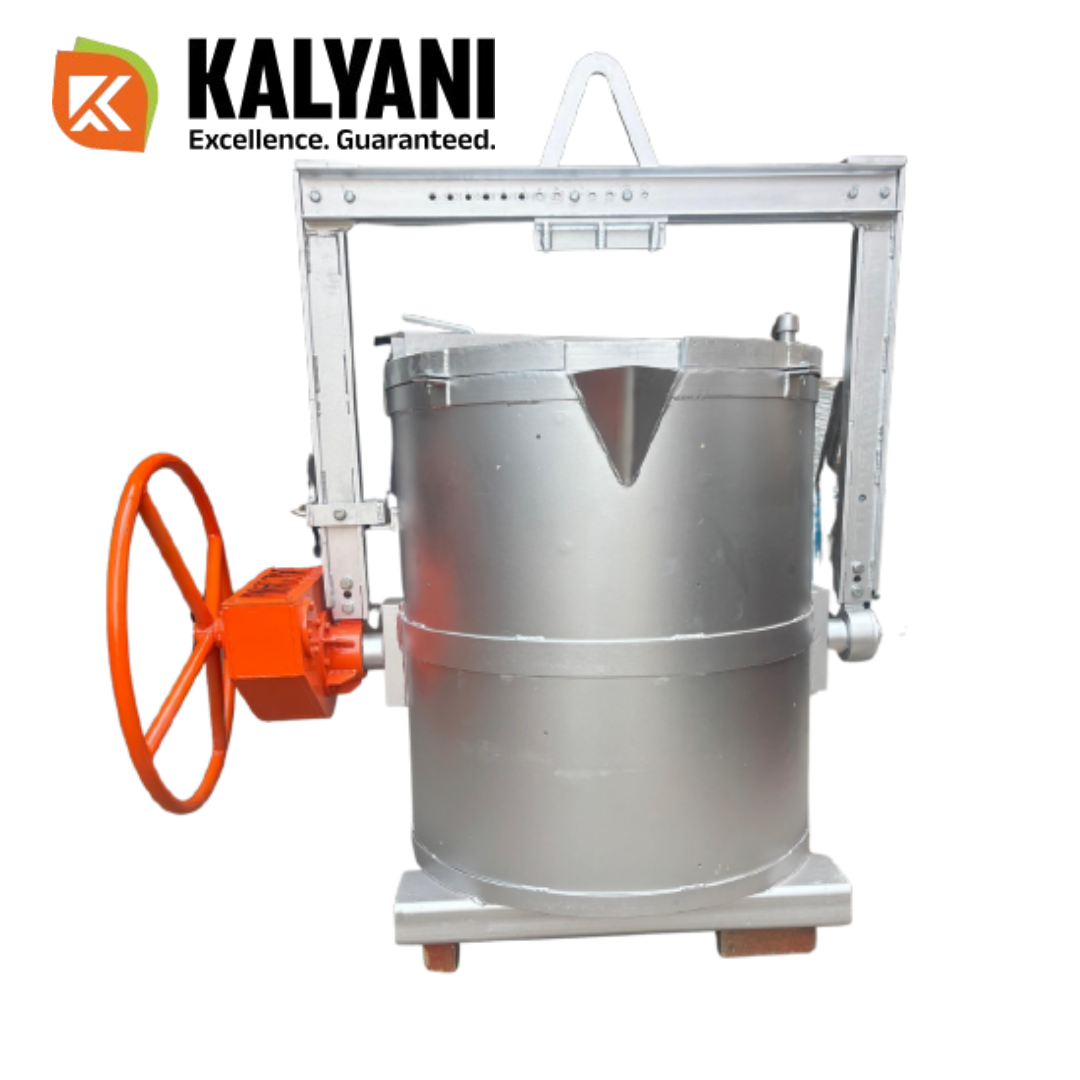 | Foundry Equipment Aluminium Transfer Ladle Product Description SEO-Optimized Product Content | Kalyani Furnaces India Pvt. Ltd. Product Overview Kalyani Furnaces India Pvt. Ltd. |
When is a dedicated preheater the wrong choice, and what lifecycle work follows?
An aluminium casting furnace is the wrong capital fix when you only need occasional ladle warming. Do not choose a dedicated foundry ladle preheating furnace when:
- Ladle usage is very low or limited to occasional jobbing work.
- Ventilation, combustion air, exhaust routing, electrical capacity or approved fuel utilities are inadequate.
- The ladle’s diameter, height, spout or loading method cannot fit safely.
- An approved holding-furnace arrangement already keeps ladles hot without exposing operators to added risk.
| Decision factor | Stop condition | Better response |
|---|---|---|
| Lining condition | Full heat-up rate could crack a new repair | Follow the refractory dry-out curve |
| Movement | The unit blocks ladle travel or lifting access | Use a smaller or movable method |
| Usage | Few cycles cannot recover ownership cost | Retain a controlled torch or existing station |
Ownership continues after installation. Assign responsibility to:
- Clean burners; inspect or replace heating elements; examine refractory and insulation.
- Check thermocouples, retain calibration records, and inspect guards and ventilation.
- Schedule planned service downtime and document spare-parts ownership, commissioning, operator training and emergency-shutdown checks.
Specify door or lid interlocks, flame-failure shutdown, purge and ignition sequencing, over-temperature protection, an emergency stop and thermocouple-failure detection. Use NFPA 86 as a recognised industrial furnace safety reference.
Buy only when repeatable, uniform heating removes a measured production problem at acceptable total cost; otherwise use a controlled lower-cost method and revisit the case with operating data.
Frequently asked questions
What problem does ladle preheating solve?
It dries and heats the ladle and refractory lining, reducing moisture-related hazards, thermal shock, heat loss, and metal freezing during transfer.
Which ladle preheating method fits a foundry?
Gas burners suit flexible, high-throughput operations; electric systems offer cleaner, controllable heating; batch ovens suit multiple ladles; inline preheaters suit repeatable transfer routes.
How should you operate a ladle preheater safely?
Inspect the lining, remove moisture sources, confirm burner or electrical interlocks, measure the lining temperature, and follow a controlled heating cycle before charging molten aluminium.
How do you calculate whether a ladle preheater will pay for itself?
Compare the installed cost and ongoing energy, maintenance, labour, and refractory expenses with savings from fewer rejects, shorter cycles, lower heat loss, and longer ladle life.
Related product
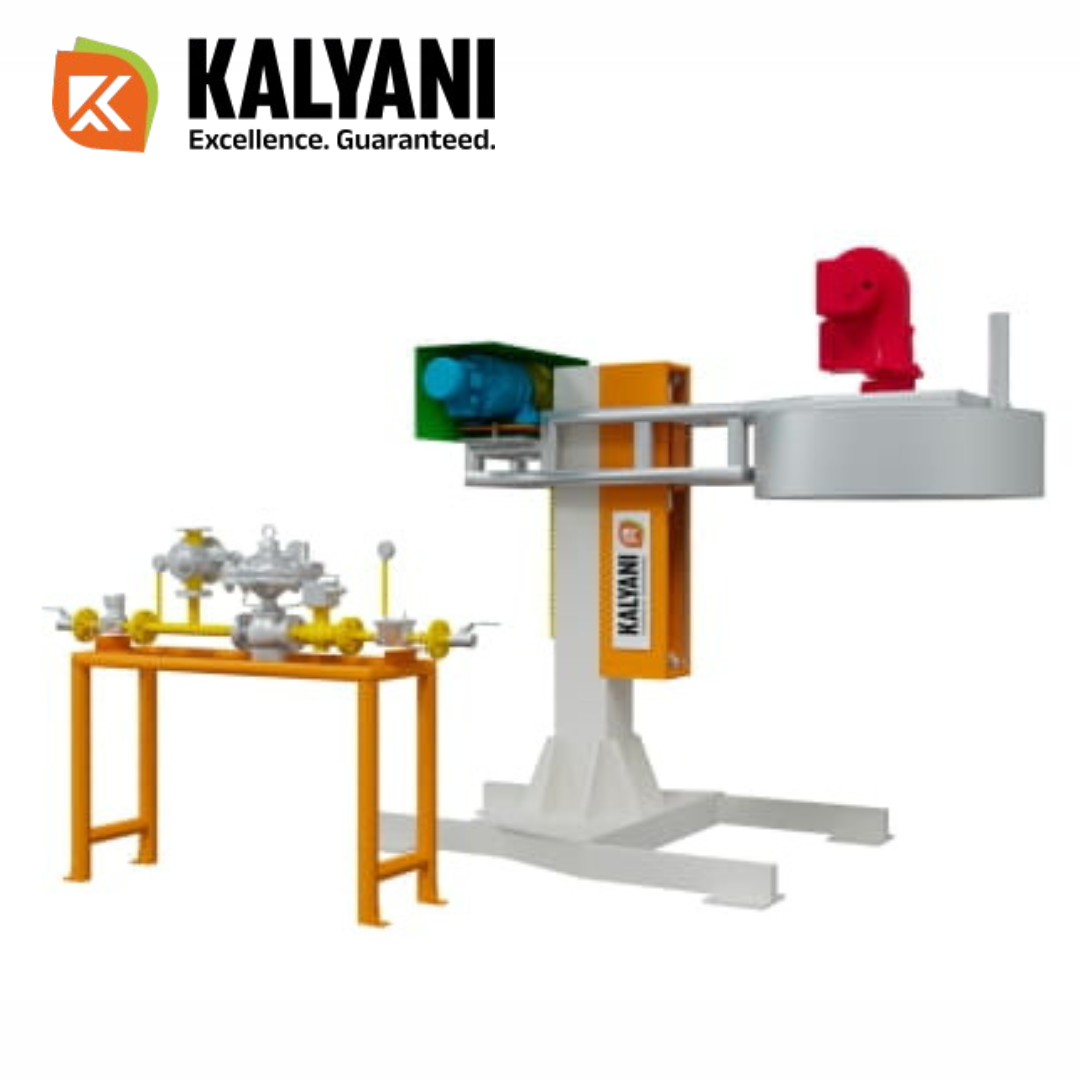 | Foundry Equipment Foundry Ladle Preheating Furnace Product Overview Kalyani Furnaces India Pvt. Ltd. is a leading Foundry Ladle Preheating Furnace manufacturer based in Pune, India, established in... |