
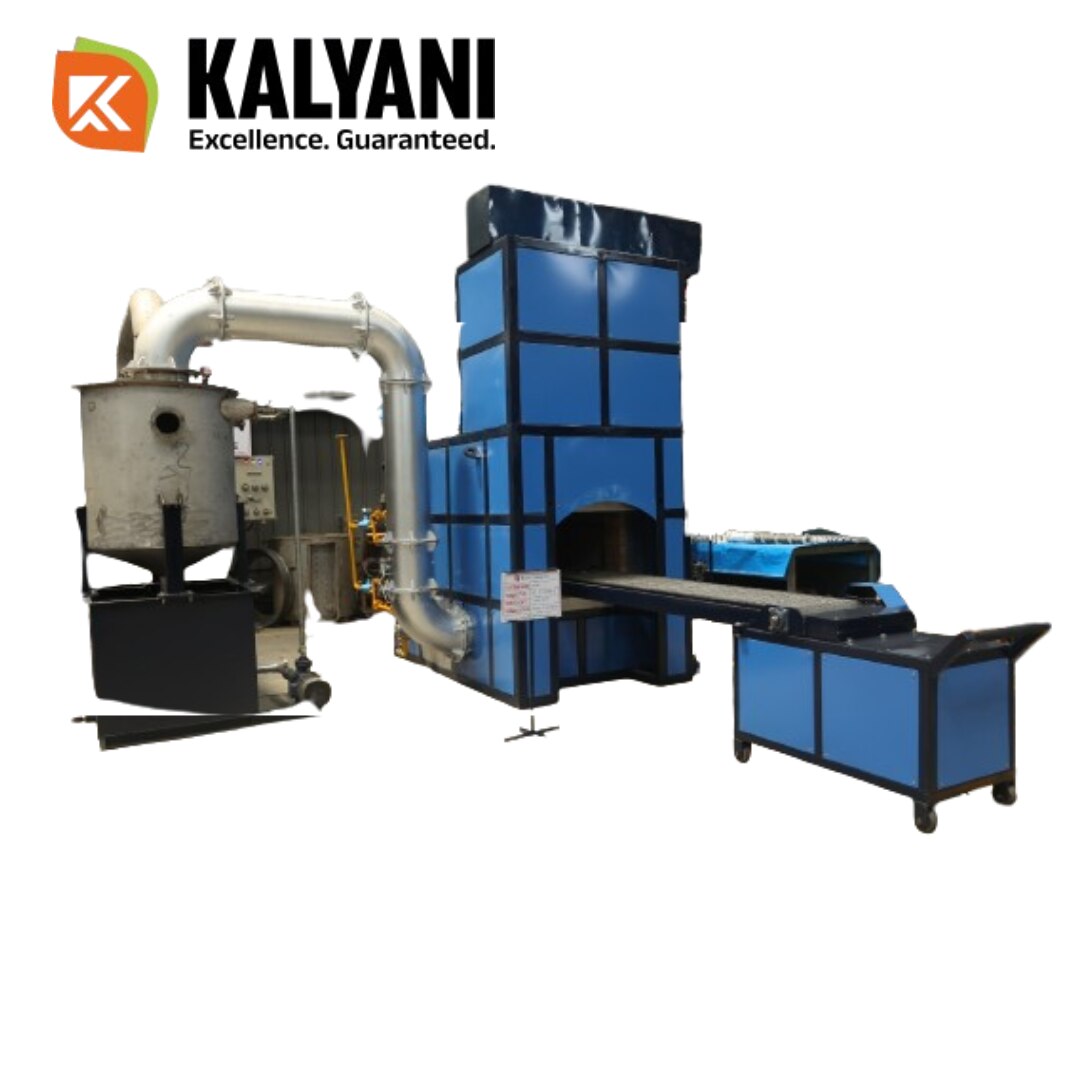
Choosing a pet animal incinerator requires more than finding a chamber and a quoted price. You need to match the unit to animal size, cremation frequency, fuel supply, emissions controls, site services and the acceptance test that will prove the equipment works in Bengaluru.
Key takeaways
- Size the chamber by maximum carcass mass and body dimensions.
- Specify primary and secondary chamber temperatures separately.
- Check Bengaluru gas, electrical, ventilation and backup requirements before ordering.
- Tie payment to witnessed cremation tests and documented emissions results.
How to size the chamber for animal weight and cremation volume
Choose capacity from the largest animal you will cremate, not from litres of chamber volume. A quotation must state maximum carcass mass, maximum body length, maximum body width, usable chamber dimensions and whether the rating covers one animal or multiple animals per batch.
Estimate the requirement from species, body weight, body geometry, moisture content, animals per day and your intended schedule. A large, wet carcass creates a higher heat load than its volume suggests; tightly packing several bodies can also restrict airflow and extend the cycle.
If the seller has not stated a burning rate, request the expected warm-up time, cremation time, cooling time and maximum completed batches per day.
Ask for these documents before comparing models:
- A written maximum batch load in kilograms
- A loading-envelope drawing showing door opening, usable length, width and height
- The permitted number of animals per batch and loading orientation
- Cycle data for the intended species and weight range
Litres alone are not a capacity specification. Two chambers with the same volume can accept different carcasses because of door size, refractory thickness, burner position and airflow.
| Feature | One-animal pet cremator | Continuous biomedical-waste incinerator |
|---|---|---|
| Loading | One defined carcass and body envelope | Repeated mixed waste feed |
| Door and chamber | Sized for safe carcass loading and recovery | Sized for ongoing waste charging |
| Ash removal | Manual drawer, rake or cooled recovery path | Designed for continuous residue handling |
| Gas and emissions design | Cycle-based cremation and secondary oxidation | Continuous feed, residence-time and emissions control |
A pet animal incinerator built for one body at a time is not interchangeable with continuous biomedical equipment. Its door, primary chamber, ash system, gas residence time and emissions design perform different duties.
What the primary chamber, secondary chamber and ash system each do
A quotation for a cremation chamber should identify three separate systems. The primary chamber is the loading and main combustion space; the secondary chamber oxidises smoke, odour and incomplete-combustion products; the ash system collects bone fragments and residue through a drawer, rake or defined removal path.
A practical cycle runs like this:
- Preheat both combustion zones to the specified operating condition.
- Load one animal within the stated body-size and weight limits.
- Burn the carcass in the primary chamber while controlled air supports combustion.
- Pass the gases through the secondary chamber and its separate burner for further oxidation.
- Cool the chamber under controlled conditions before opening the door.
- Remove bone fragments through the ash drawer or raking route, then clean deposits from the chambers and flue.
Ask these questions before comparing pet cremation equipment in Bengaluru:
- Does the secondary chamber have its own burner, temperature measurement and combustion-air control?
- Can ash fall into or obstruct the primary burner air path, blower or flue?
- Does the specification show manual raking, a removable drawer or mechanical ash extraction?
- What procedure and access points are provided for cleaning secondary-chamber and flue deposits?
A high primary-chamber temperature does not prove complete cremation. Without secondary combustion, the high-moisture stage can still release visible smoke and odour. Confirm that the quotation covers all three systems, not merely a hot chamber labelled an incinerator.
Which temperatures, burners and refractory details belong in the specification
Use 800 ± 50 °C in the primary chamber, 1050 ± 50 °C in the secondary chamber and about two seconds of secondary-chamber gas residence time as engineering benchmarks drawn from CPCB biomedical-waste guidance. They do not, by themselves, determine the legal approval category or consent route for a pet-cremation installation.
| Chamber | Benchmark | What to verify |
|---|---|---|
| Primary | 800 ± 50 °C | Measurement point and thermocouple position |
| Secondary | 1050 ± 50 °C | Separate burner, gas path and residence-time calculation |
| Gas residence | About 2 seconds | Supplier’s calculation at operating load, not empty-chamber volume |
Require these specification details before comparing quotations:
- Burner arrangement, separate secondary burner, fuel type and burner turndown range.
- Combustion-air control, blower capacity, damper or variable-speed control and flame-failure interlock.
- Hot-face refractory material, backup insulation, design temperature, thickness and replacement method.
- Thermocouple type, protection tube, calibration method and every measurement location.
- Cycle data for a representative carcass: preheat time, completed-cycle duration, fuel consumed per batch and cooling time.
A headline maximum temperature proves little. Request commissioning records showing chamber temperatures, draft or pressure behaviour, flame-failure response, shutdown and restart. Where the regulator requires stack testing, define the sampling point, test method and acceptance limits for particulate matter, carbon monoxide, hydrogen chloride, total organic carbon and dioxins or furans.
“Smokeless” is not a test result. A site-specific acceptance test must use the intended fuel, local gas pressure, chimney draft and a representative load.
What a Bengaluru site needs for gas, electricity, ventilation and backup
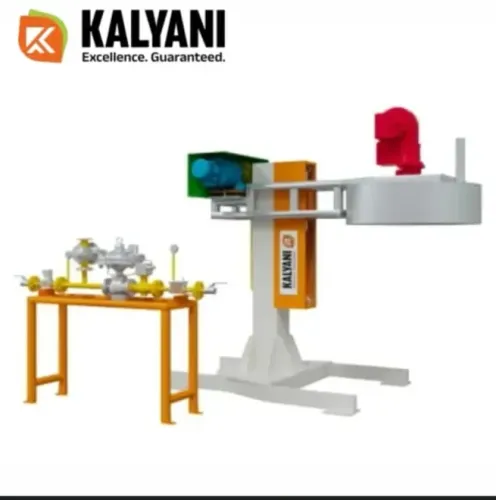
A proposed site is ready only after the quotation matches its utilities. For a gas pet animal incinerator, require LPG, PNG, natural gas, diesel or dual-fuel identification, plus gas pressure, maximum consumption, burner turndown, regulator, piping size and safety-train components. Include leak and pressure testing before commissioning.
Gas firing still needs electricity for the blower, control panel, ignition, flame monitoring, temperature instruments and interlocks. Demand flame-failure shutdown, automatic fuel shutoff, ignition sequencing, high-temperature cutout, low-air interlock and emergency stop. Ask whether hybrid changeover is automatic or manual, and what happens after gas interruption or power failure.
| Option | Compare | Site question |
|---|---|---|
| Gas | Low installed electrical load; fuel availability, burner noise, warm-up and running cost depend on supply | Is LPG or PNG reliably available, and what pressure reaches the burner? |
| Electric | No combustion gas train; higher installed power, quieter operation and different running cost | Can the service connection support the heater load? |
| Hybrid | Fuel flexibility and outage resilience; added controls and maintenance | Does it change over automatically or require an operator? |
Use this installation checklist for pet cremation equipment in Bengaluru:
- Confirm foundation, stack height and draft, rain protection, ventilation, earthing, loading access, fire extinguishers and fuel storage.
- Provide a generator or UPS for controls where required; specify safe-fail shutdown rather than uncontrolled restart.
- Obtain written confirmation from the local authority and Karnataka State Pollution Control Board on whether the activity falls under pet cremation, animal-waste treatment or biomedical-waste rules.
- Run a site acceptance test with the intended fuel and representative load, proving cold start, secondary temperature, interlocks, shutdown, ash removal and restart.
How to compare pet incinerator price and prove the unit works before acceptance
A pet incinerator price is comparable only when both quotations use the same scope of supply. Separate the equipment price from foundation, chimney or stack, rain protection, gas pipeline, cabling, earthing, ventilation, ash handling, fire-safety work, emission-control equipment, installation, commissioning and consent-related work.
| Cost item | What to compare | Why it changes the decision |
|---|---|---|
| Equipment | Capacity, burners, refractory, controls and stack | A cheaper unit may omit essential systems |
| Operating cost | Fuel per completed cremation, warm-up and cycle time | Long smoky cycles increase fuel and labour |
| Maintenance | Refractory life, burner servicing and thermocouple replacement | Frequent repairs can erase the initial saving |
| Site scope | Civil, utilities, safety and statutory work | Exclusions become unexpected project costs |
Ask the supplier to state, in writing:
- Maximum carcass mass, body length, width, height and usable batch load
- Fuel type, pressure, maximum consumption, turndown and safety-train components
- Control sequence, temperature points, flame-failure interlocks and power-loss response
- Emissions test method, sampling point, pollutants measured and acceptance limits
Do not accept a factory demonstration as proof. Run a site-specific test with the intended fuel and representative load: cold start, normal cycle, secondary-chamber temperature, shutdown, ash removal and restart. Record cycle time, fuel use, smoke, interlock operation and residue.
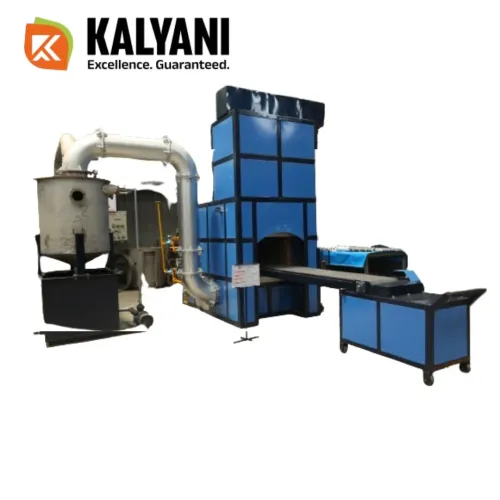
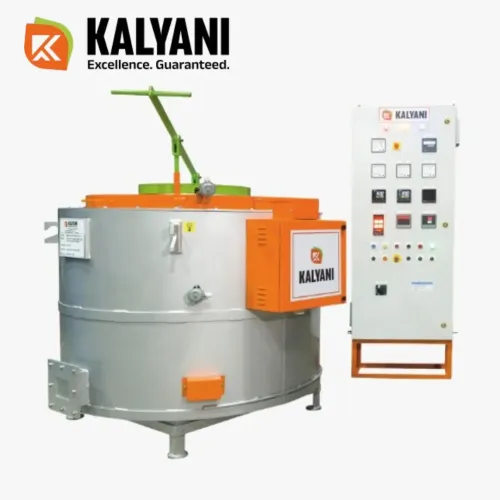
KALYANI FURNACES INDIA PVT LTD should be assessed against those documented capacity, safety, installation and commissioning criteria; aluminium-foundry experience alone does not prove pet-cremation performance.
Related product
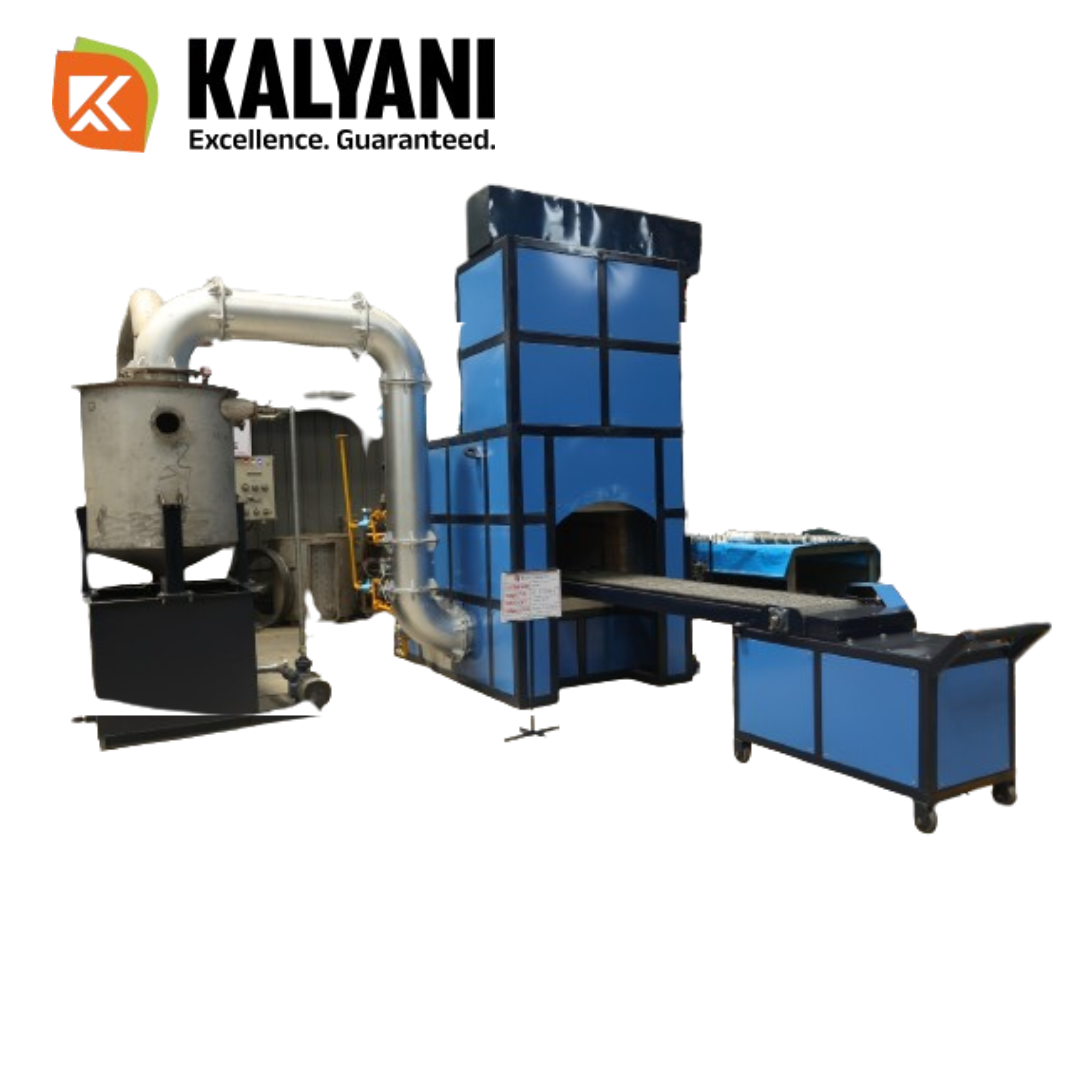 | CREMATORIUM & INCINERATORS Pet Animal Incinerator (Gas / Electric / Hybrid) Product Overview The Pet Animal Incinerator (Gas / Electric / Hybrid) by Kalyani Furnaces India Pvt. Ltd. |
Frequently asked questions
How should you size a pet animal incinerator?
Base capacity on the largest animal, maximum body dimensions, cremation volume and whether one or multiple animals are processed per batch.
What do the primary chamber, secondary chamber and ash system do?
The primary chamber dries and burns the carcass, the secondary chamber oxidises combustion gases, and the ash system removes and contains residue.
What should a pet incinerator specification include?
State chamber temperatures, burner fuel and capacity, refractory construction, usable dimensions, controls, safety interlocks and exhaust details.
How can you compare pet incinerator price and prove performance?
Compare the complete installed scope, utility consumption, warranty and service terms, then require a witnessed acceptance test using the stated load.