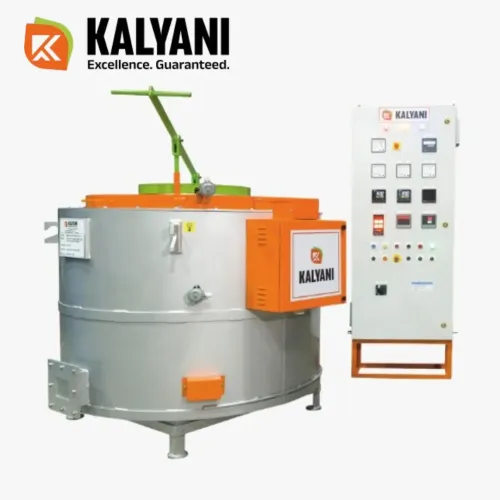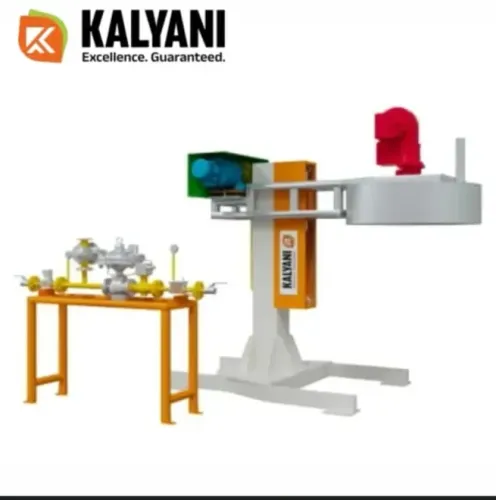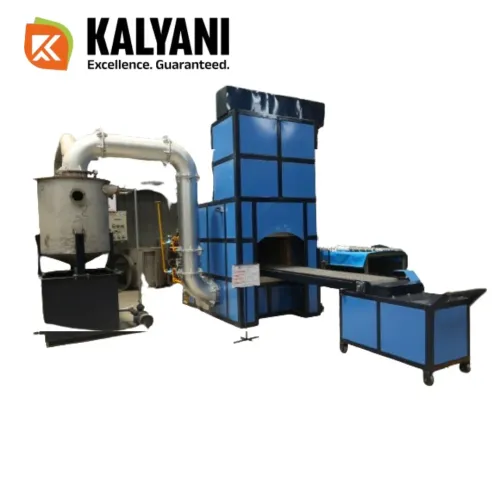

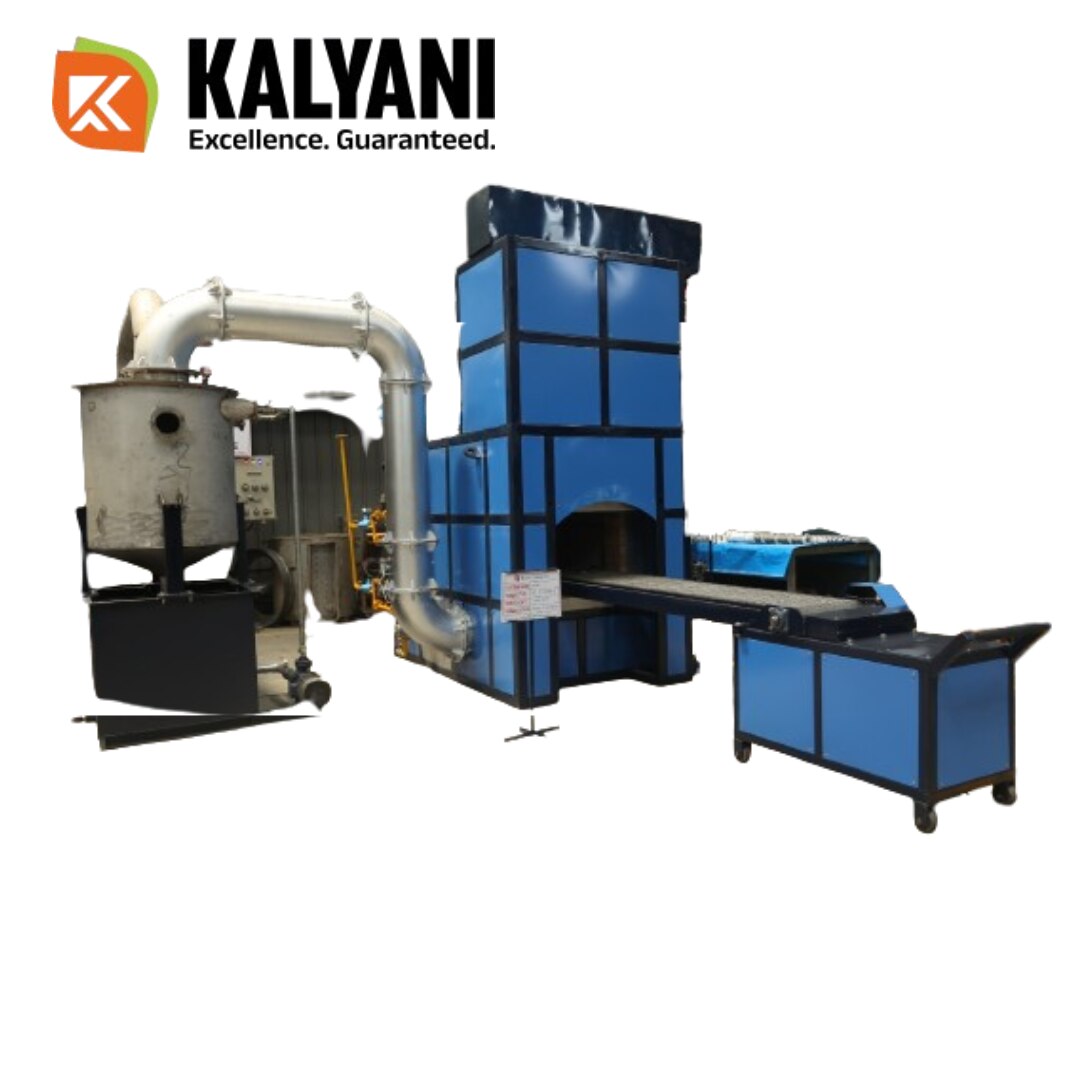
A large carcass creates a disposal problem that a routine clinic waste unit, burial pit, or distant transport contractor may not solve safely. By the end, you will be able to identify whether your organisation needs on-site capacity, calculate the real load, compare alternatives, and write a procurement specification that covers combustion, loading, compliance, and ash handling.
Key takeaways
- Base capacity on carcass mass, not animal headcount.
- Confirm the unit accepts whole carcasses and your required loading method.
- Compare 200–250 kg per hour with complete cycle time.
- Check Karnataka permissions before selecting on-site incineration.
Which organisations have enough difficult disposal work to justify one?
A big animal incinerator for veterinary services in Bengaluru is justified by carcass mass, urgency and logistics—not by a headcount. One cattle carcass can create more disposal demand than dozens of small clinical-waste loads, especially when the nearest authorised facility is several hours away or cannot accept a carcass at short notice.
| Organisation | Why ownership may be justified | What to measure |
|---|---|---|
| Veterinary hospital | Emergency deaths, surgery-related carcasses and biosecurity-sensitive handling | Maximum carcass mass, peak-day load and distance to an authorised facility |
| Municipal animal-control department | Stray-animal collection creates irregular but urgent whole-carcass work | Weekly average, monsoon or outbreak peaks and collection routes |
| Livestock farm or slaughterhouse | Repeated large-animal losses or condemned stock need rapid removal | Daily mass, holding time and loading access |
| Zoo, research institution or animal shelter | Species, disease controls and remote location can restrict contractors | Largest body dimensions and approved disposal route |
| Cremation provider or disaster-response team | Multiple carcasses can arrive together after disease, flooding or transport incidents | Surge capacity, temporary holding and relocation needs |
A small clinic with occasional cats, dogs or anatomical waste usually needs authorised collection or a routine veterinary unit, not large equipment. Conversely, a facility with fewer animals still needs its own system when carcasses are heavy, access is difficult, odour control is urgent, or transport exposes staff and the public to unacceptable delay.
Before buying, record the heaviest carcass, maximum daily and peak-day totals, loading-door route, and travel time to an authorised facility. Include permits, emissions controls, operators and ash handling in the decision; a furnace alone is not a disposal solution.
Why a routine veterinary incinerator may not handle a whole carcass
A routine veterinary incinerator can handle anatomical waste, organs, tissues, bedding, and sealed clinical-waste bags without accepting an intact animal. Whole cattle, buffalo, horses, pigs, sheep, goats, and other large carcasses require a chamber and loading route designed around the largest body, not the average waste bag.
| Equipment type | Veterinary incinerator for clinical waste | Whole-carcass animal incinerator |
|---|---|---|
| Chamber volume | Suits bags, bins, and separated anatomical waste | Must contain the full carcass with clearance for airflow and ash |
| Door opening | Often sized for containers or hand loading | Requires a floor-level, wide door for a trolley, winch, or hydraulic loader |
| Maximum dimensions | Specified by container size and charge mass | Specify maximum carcass length, height, width, and girth |
| Lifting access | Manual or bin tipping may be adequate | Needs a rated trolley, ramp, winch, or hydraulic charging system |
| Batch count | Several small charges per cycle | State whether one large carcass or multiple smaller animals fit safely |
| Weight rating | Applies to the waste charge under stated conditions | Does not prove that an intact carcass of that weight will enter or burn correctly |
A 500 kg body-weight rating does not mean the unit accepts every 500 kg carcass. Add rumen or abdominal contents, body water, bedding, bags, tags, and handling equipment; then check door clearance and floor loading. A narrow top-loading chamber can be unsuitable even when its nominal volume appears sufficient.
Ask the supplier for the maximum single-carcass mass, maximum daily load, permitted carcass forms, internal dimensions, door dimensions, lifting capacity, and animals per batch. Obtain a wet-load calculation, because fat, hide, bone, hooves, and moisture can extend the cycle beyond the catalogue figure.
What the 200–250 kg per hour figure really tells you
A 200–250 kg/hour rating is a feed-rate claim, not proof that the unit can accept one 250 kg animal. Confirm the maximum single-carcass mass, dimensions, door opening, chamber volume, daily duty and peak-day duty before comparing suppliers. A big animal incinerator in Bengaluru must be sized for the load you actually receive.
1. Weigh the complete charge, not just the carcass. Add rumen or abdominal contents, moisture, fat, hide, bone, hooves, bedding and containment materials. A wet, intact buffalo with bedding consumes more heat and time than dry anatomical waste, while plastic bags and medicines change emissions and residue.
2. Identify the operating basis behind 200–250 kg/hour. Ask whether it means continuous feed, a peak feed rate, or a batch average achieved after heat-up. Batch equipment suits intermittent veterinary work but repeats heat-up and creates longer turnaround; continuous or semi-continuous equipment suits steady slaughterhouse or municipal duty but needs controlled charging and ash handling.
3. Test the worst planned charge. Require a preheated primary chamber, staged loading and sustained secondary firing; burner fuel consumption and electrical demand must be stated for a wet carcass, not only an empty-furnace heat-up. Compare cycle time, cooling time and the number of animals per batch.
4. Record the residue plan. Fat, bone, hooves, bedding and containment materials leave ash, partly burned material or clinker that must be removed without exposing staff. For a big animal incinerator in Bengaluru, calculate weekly ash volume and peak-day storage before accepting the catalogue rate.
Is on-site incineration the right permitted disposal route?
On-site incineration is the right permitted route only when carcass volume, urgency, and transport distance justify a regulated combustion system. Compare the alternatives before specifying a big animal incinerator in Bengaluru.
| Option | What it means | When it applies |
|---|---|---|
| Incineration | Controlled combustion with gas cleaning and ash handling | Frequent, urgent disposal where approved operation is practical |
| Rendering | Converts carcasses into processed fat and protein | A licensed renderer accepts the species and disease risk |
| Deep burial | Places anatomical waste in an approved burial site | Restricted rural or remote situations with prescribed safeguards and approval |
| Composting | Managed biological decomposition | Suitable carcass types, land, climate, and veterinary controls are available |
| Authorised landfill | Sends permitted residues or waste to a licensed facility | The operator accepts that waste classification |
| Central carcass facility | Transports carcasses to an approved treatment site | Collection, cold holding, and travel time remain manageable |
Veterinary institutions and animal houses fall under India’s Bio-Medical Waste Management Rules, 2016. Animal anatomical waste is yellow-category waste; incineration, plasma pyrolysis, or approved deep burial are recognised routes, but burial is not an automatic urban substitute.
Carcasses from your own premises do not remove the need to check biomedical-waste authorization and Karnataka State Pollution Control Board consent.
Before ordering, obtain written approval for the waste stream and confirm:
- Emission controls and stack design, not just chimney height; require performance against stated loading.
- Ash collection, storage, testing, and disposal arrangements.
- Trained operators, documented procedures, and emergency shutdowns.
- Reliable fuel, electrical supply, ventilation, and wash-down access.
If these controls cannot be funded or operated daily, transport to a central authorised carcass facility is the safer choice.
What should you put into an animal disposal equipment specification?
Specify the complete animal disposal equipment train, not just a chamber and a catalogue capacity. Draw the receiving area, weighing point, temporary holding, wash-down drainage and service access before comparing furnace prices.
- State floor-level charging dimensions, wide-door clearance, trolley capacity, and whether a winch or hydraulic loader handles intact cattle, buffalo, horses or pigs.
- Define permitted loads: whole or dismembered carcasses, sealed bags, sharps containers, bedding, metal identification tags and other containment materials.
- Require primary operation at 800 ± 50 °C, secondary operation at 1,050 ± 50 °C, two-second secondary-chamber gas residence time and controlled negative pressure, demonstrated by calibrated temperature records.
- Specify burner duty for heat-up and wet loads, replaceable refractory modules, protected burner ports, hearth tiles, particulate and gas cleaning, ash removal, wash-down, operator records and safe maintenance access.
Supplier comparison should expose what the quoted number omits.
| Supplier evidence | Why it matters | What to request |
|---|---|---|
| Wet-load calculation | Moisture, fat, rumen contents, hide and bone can slow combustion | Heat-up, staged-loading and fuel calculations |
| Loading proof | A narrow top loader can make a whole carcass unusable | Door drawing, trolley or hydraulic method, maximum dimensions and batch count |
| Emissions package | A tall stack alone does not clean gas | Guaranteed performance for the stated load, with scrubber, quench, cyclone or filtration details |
Ask KALYANI FURNACES INDIA PVT LTD to document these points rather than accepting 200–250 kg per hour as a complete solution. Record fuel use, cycle time, residue and service intervals during acceptance testing.
Related products
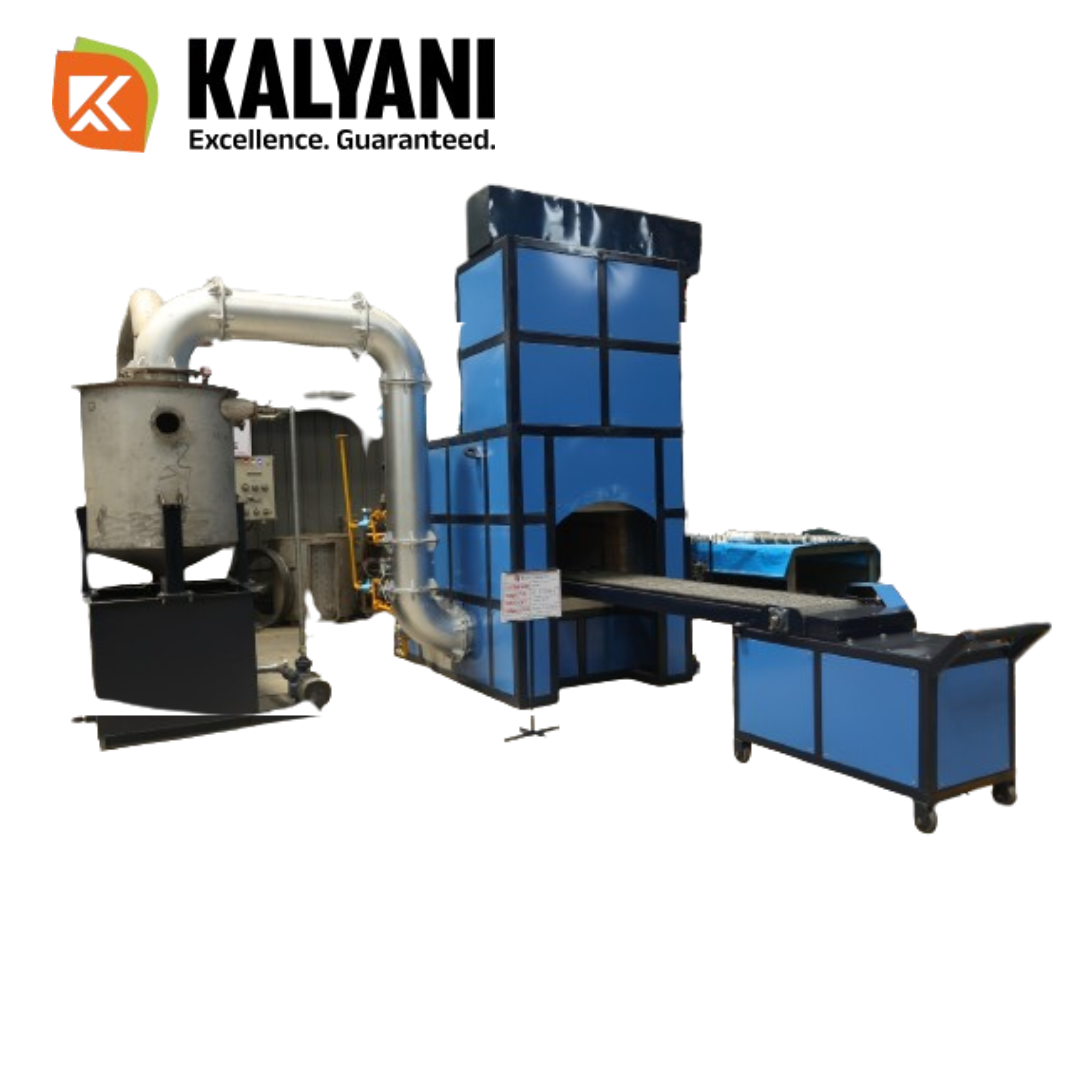
 | CREMATORIUM & INCINERATORS Big Animal Incinerator (Gas / Electric / Hybrid) Big Animal Incinerator (Gas / Electric / Hybrid) Product Overview The Big Animal Incinerator (Gas / Electric / Hybrid) is designed for efficient and... |
 | CREMATORIUM & INCINERATORS Pet Animal Incinerator (Gas / Electric / Hybrid) Product Overview The Pet Animal Incinerator (Gas / Electric / Hybrid) by Kalyani Furnaces India Pvt. Ltd. |
Frequently asked questions
Which organisations may need a big animal incinerator?
Veterinary hospitals, livestock farms, slaughterhouses, municipal bodies, research facilities and animal shelters with frequent large carcasses may justify one when collection is slow or authorised disposal capacity is distant.
Why might a routine veterinary incinerator fail with a whole carcass?
A routine veterinary incinerator may have a smaller chamber, narrower loading opening, lower floor loading capacity or insufficient combustion control for a whole cattle, buffalo or horse carcass.
What does a 200–250 kg per hour capacity figure mean?
It usually describes rated destruction throughput under stated operating conditions, not the time required to load, heat, burn, cool and remove ash from a complete carcass.
Is on-site incineration always the right permitted disposal route?
No. Compare on-site incineration with collection by an authorised facility, burial restrictions, transport requirements, air-emission controls and permissions from the relevant Karnataka authorities.
What belongs in an animal disposal equipment specification?
Specify carcass weight and dimensions, loading aperture, chamber volume, primary and secondary chamber temperatures, fuel type, burner duty, cycle time, ash removal, controls, emissions provisions, installation needs and service support.