
Reliable operation depends on disciplined inspections, controlled cleaning, and timely correction of faults before they become combustion or safety failures. By following a documented schedule, checking each energy and exhaust path, and recording temperature and condition trends, you can distinguish routine operator care from work requiring a qualified technician.
Key takeaways
- Inspect the chamber, door seal, burners, exhaust and interlocks before every cremation.
- Remove ash and deposits before they block airflow or damage refractory surfaces.
- Record temperature, fuel or electrical performance, faults and service dates after each use.
- Call a qualified technician when faults repeat, temperatures drift or refractory damage expands.
Complete a safe pre-start inspection before every cremation
Before every cremation, confirm that the pet animal incinerator is clean, intact, correctly isolated from previous faults, and ready for the planned load. Never rely on the controller display alone.
1. Check the chamber and hearth for ash, bone fragments, loose refractory, cracks, spalling, exposed metal, or fresh hot spots. Remove deposits that could block combustion or airflow; report damaged lining before firing.
2. Inspect the loading door, hinges, latch, and door seal. The door must close evenly without gaps, and the seal must not be brittle, detached, or burned through.
3. Look at the burner and ignition area for damage, obstruction, fuel odour, soot, or loose connections. Confirm that the gas train shows no visible leak and that the flame sensor and ignition components are undamaged. Do not adjust fuel valves.
4. Check the electrical cabinet externally for heat damage, moisture, unusual odour, or alarm indications. Confirm that the thermocouple, combustion-air fan, exhaust fan, chimney, and secondary chamber have no visible obstruction or abnormal noise.
5. Verify that safety interlocks, emergency stops, fuel shut-offs, and alarms indicate ready status. Load only the manufacturer’s stated mass and geometry; filling the physical chamber can drop primary temperature and overwhelm secondary combustion.
Record the load mass, start time, temperatures, faults, smoke, draft reading where fitted, and inspection findings. Stop and obtain qualified service for repeated ignition failure, unstable flame, abnormal draft, damaged wiring, fuel leaks, or refractory pieces coming loose. Fuel-train, electrical, combustion-tuning, and safety-device work requires trained personnel under documented isolation procedures.
Remove ash and deposits before they restrict combustion
Begin cleaning only after a documented cool-down and lockout/tagout. Isolate the fuel supply, ignition system, combustion-air fan, exhaust fan and electrical isolator; switching off the controller is not isolation.
1. After each cremation, once ash is safe to handle, remove loose ash and bone fragments from the chamber and hearth with a suitable shovel and brush. Clear hearth air ports, burner tiles and the chamber outlet before the next load. Do not chip, scrape or wet hot refractory.
2. Check the chamber floor and walls for bonded deposits, spalling or loose refractory pieces. Remove deposits with tools approved by the equipment manufacturer; aggressive scraping can expose metal and shorten lining life. Stop using the unit if exposed metal, a growing crack or a loose lining section appears.
3. Open the designated access points and clear the secondary-combustion path of ash, soot and refractory fragments. Keep air passages and the outlet free; restriction raises backpressure and can push combustion products through the loading door.
4. Inspect the flue and stack for ash, soot, condensate, corrosion, fan wear and fallen refractory. Clean condensate drains and accessible surfaces without sending debris into the fan or stack. Have a qualified technician clean inaccessible sections and investigate any draft or pressure reading that differs from the commissioning baseline.
Record ash removal, deposits, draft readings and defects in the operating log. This simple record turns pet incinerator upkeep into a trend rather than a reaction to visible smoke.
Use a schedule to protect refractory, burner and heating systems
Schedule a pet animal incinerator for maintenance after a documented cool-down and lockout/tagout. Isolate burner fuel, ignition, combustion-air and exhaust fans, and electrical supplies; switching off the controller is not isolation.
| Schedule | Operator tasks | Technician tasks |
|---|---|---|
| Daily | Record load mass, cycle times, temperatures, faults, smoke, draft readings, ash removal and unusual noise. Inspect door ropes, gaskets, latches, hinges, visible refractory, flame appearance and alarms. | None unless a defect requires immediate escalation. |
| Weekly | Check door alignment, seal compression, refractory cracks, spalling, loose pieces, exposed metal and hot spots. Remove ash or condensate from accessible areas and keep the control cabinet dry and free of ash. | None for visual checks; do not open energised equipment. |
| Monthly | Review log trends for rising fuel use, slower heating, unstable temperature, repeated faults or worsening draft. | Inspect the nozzle or gas train, ignition electrode, flame scanner, burner tile, air path, fuel pressure and fan condition. Test terminals, relays, contactors, interlocks, emergency stops, door switches, flame-failure trips and over-temperature devices. |
Assign fuel-train work, electrical testing, combustion tuning, refractory replacement and safety-device testing to a qualified technician familiar with the equipment and local code. Require combustion analysis rather than accepting ignition as proof of correct operation. Never bypass an interlock to keep production running; that turns a maintenance fault into an uncontrolled-firing hazard.
Record every adjustment, replaced part and test result.
Verify temperature control, airflow and fuel or electrical performance
A burner that lights is not a proven burner. Poor atomisation, a fouled electrode, weak flame signal or incorrect excess air can produce smoke, high fuel use and incomplete combustion.
Test only after documented cool-down and lockout/tagout. Isolate fuel, ignition, fans and electrical supplies; switching off the controller alone does not remove stored energy.
- Burner: Inspect the nozzle or gas train, electrode, flame scanner, burner tile and air path. A qualified technician should verify fuel pressure, flame-failure trip and combustion readings.
- Electric elements: Check element current against the nameplate value, inspect terminals for heat damage and compare all zones for uneven output. Isolate power before opening the cabinet.
- Fans and airflow: Confirm combustion-air and exhaust fans reach operating speed, run without bearing noise and produce the specified draft or pressure. A declining reading points to blockage, belt wear or motor trouble.
- Thermocouple: Compare the displayed chamber temperature with an independent calibrated instrument. Replace a probe that is oxidised, bent, ash-coated or drifting.
- Safety controls: Function-test the high-limit shutdown separately from the normal controller, along with flame-failure trips, door switches, emergency stops and over-temperature alarms. Never bypass an interlock to keep a cycle running.
Record load mass, cycle times, temperatures, faults, visible smoke, draft readings and corrective work. This written pet cremation equipment maintenance log exposes gradual fan, burner, probe and refractory deterioration before a shutdown becomes urgent. Assign fuel-train work, electrical testing and combustion tuning to qualified personnel.
Use condition records to decide when professional service is needed
Do not wait for a calendar date when condition records show deterioration. Log each load’s type and mass, start and end times, chamber temperatures, burner faults, visible smoke, draft or pressure readings, refractory condition, ash removal and corrective work. Trends reveal failing fans, burners, probes and refractory before a shutdown.
Warning signs that require inspection before the next cremation include:
- Longer heat-up time or rising fuel consumption
- Unstable flame, repeated flame failure or abnormal burner noise
- Increasing smoke, abnormal draft or rising fan current
- A growing difference between the displayed temperature and an independent calibrated instrument
- Spalled brick, open joints, deep cracks, exposed anchors, hot spots or exposed steel
| Warning sign | What it can indicate | Required response |
|---|---|---|
| Rising fuel use | Poor combustion or burner wear | Combustion inspection and tuning |
| Smoke or abnormal draft | Blocked passage, fan fault or air leak | Inspect the flue, fan and seals |
| Temperature disagreement | Probe drift or control fault | Calibrate and test high-limit shutdown |
| Refractory damage | Heat loss, air entry or shell damage | Assess compatible repair or replacement |
Good pet animal incinerator care separates operator checks from competent-person service. Choose a partner who can document gas-train, electrical, combustion and safety-device testing, provide calibrated instruments, and follow lockout/tagout after a verified cool-down. Ask for a written service report, measured results and parts used.
For equipment supplied by KALYANI FURNACES INDIA PVT LTD, give the technician the model, control drawings and condition history to prevent guesswork during pet cremation equipment maintenance.
Related product
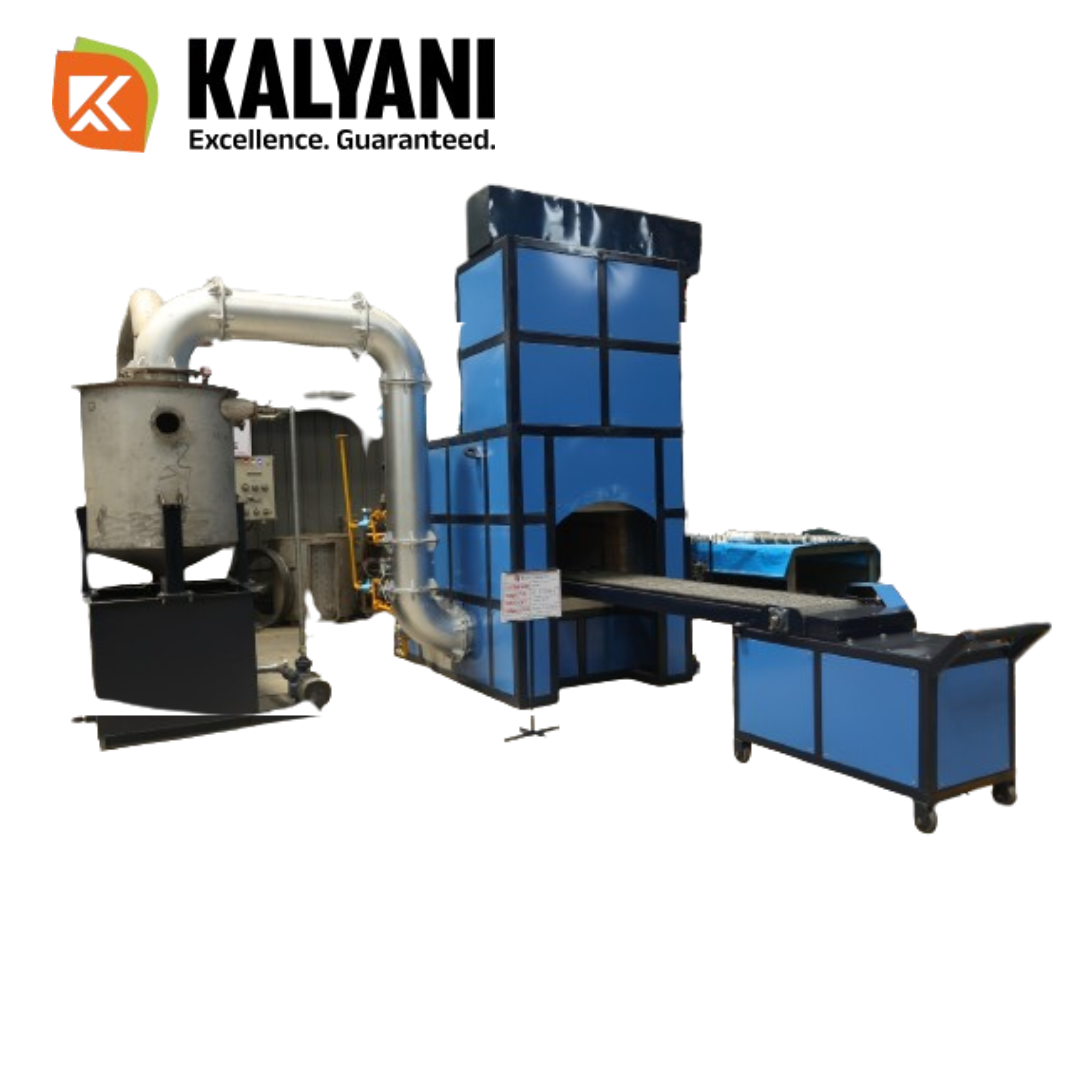 | CREMATORIUM & INCINERATORS Pet Animal Incinerator (Gas / Electric / Hybrid) Product Overview The Pet Animal Incinerator (Gas / Electric / Hybrid) by Kalyani Furnaces India Pvt. Ltd. |
Frequently asked questions
What should you inspect before starting a pet animal incinerator?
Check that the chamber is clean, refractory surfaces are intact, the door seal closes correctly, burners and exhaust paths are unobstructed, and safety interlocks work. Confirm the equipment is isolated from previous faults before loading it.
Why must you remove ash and deposits from a pet incinerator?
Ash and deposits can restrict combustion air, reduce chamber capacity, obstruct exhaust flow and expose refractory surfaces to uneven heating. Remove them before buildup affects combustion or equipment condition.
How often should pet cremation equipment receive maintenance?
Use a written schedule covering routine cleaning, burner inspection, refractory checks, door-seal inspection, control-system checks and professional servicing. Set intervals from operating hours, cremation volume and the manufacturer’s instructions.
What performance checks help identify an incinerator problem?
Compare displayed and independently verified temperatures, check airflow, observe burner operation, and record fuel pressure or electrical performance. Investigate repeated temperature drift, ignition failures, unusual smoke or unstable operation.
When should you arrange professional service for a pet animal incinerator?
Arrange service when faults repeat, safety interlocks fail, temperatures become unstable, airflow remains restricted, fuel or electrical readings change, or cracks and spalling in refractory materials increase.