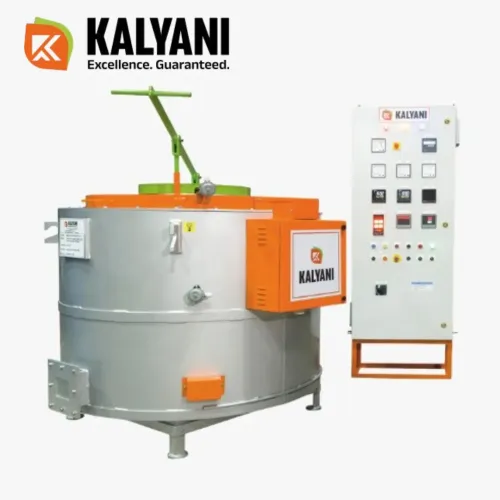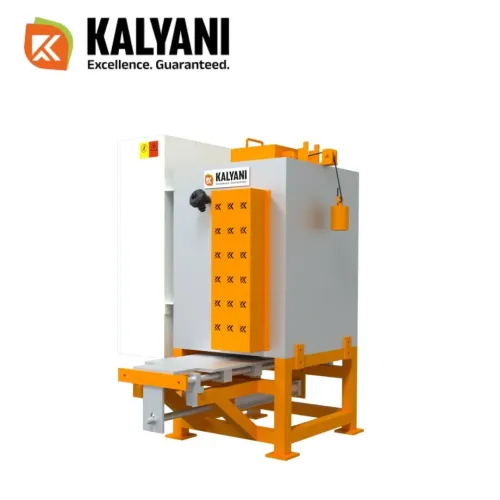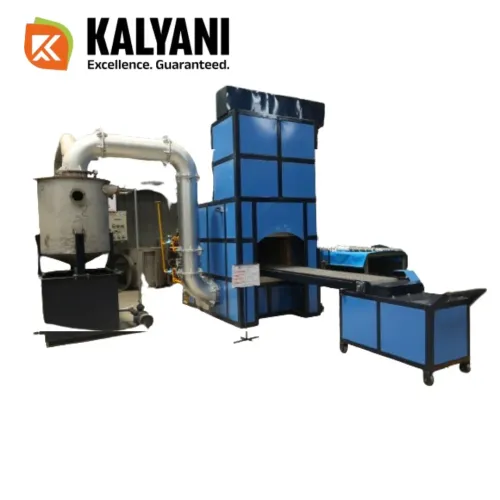

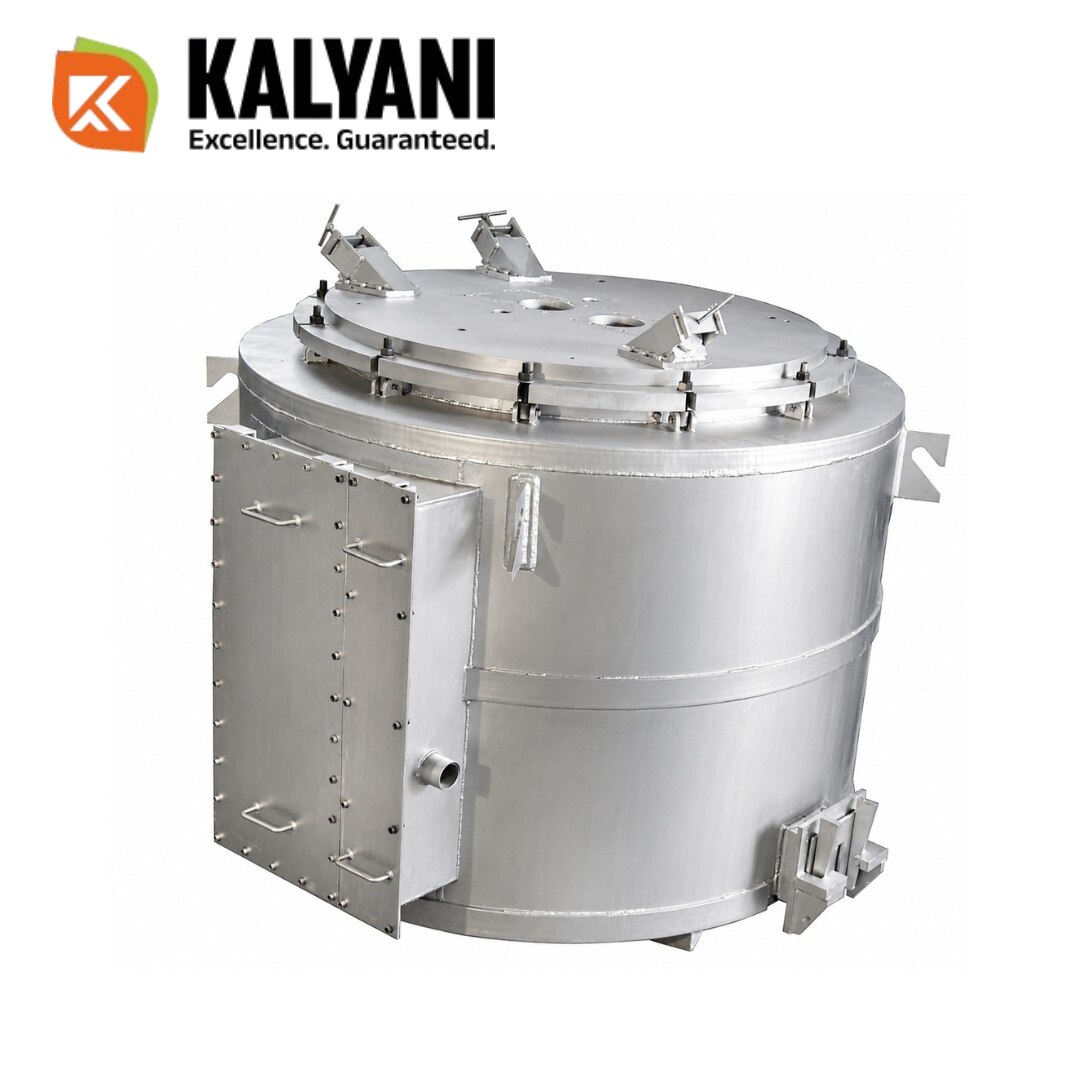
The investment makes sense only when the furnace matches your normal batch pattern, alloy mix, utilities, and casting schedule. By comparing usable output, cost per kilogram, site readiness, safety controls, and witnessed performance, you can decide whether new melting capacity will reduce cost or create an oversized asset.
Key takeaways
- Confirm usable molten-metal capacity, not only the advertised furnace size.
- Calculate aluminium casting furnace price as energy and labour cost per kilogram.
- Match furnace output to your actual batch sizes, shifts, and peak demand.
- Put utility connections, safety systems, testing, and acceptance scope in writing.
What an Aluminium Casting Furnace Actually Does
An aluminium casting furnace melts aluminium and, when required, holds it at a controlled temperature until transfer for casting. Usable molten-metal capacity and hourly melt rate matter more than vessel volume: a “500 kg” label might mean cold charge, maximum bath load, or usable metal.
A melting furnace prioritises rapid conversion of solid charge. A holding furnace maintains already molten metal with lower heat input.
| Furnace type | Main characteristic | Practical fit |
|---|---|---|
| Crucible | Removable vessel and batch operation | Simpler, smaller batch work |
| Reverberatory | Larger exposed bath heated above the metal | Higher-volume melting |
| Electric resistance | Clean, controllable heat | Precise, contained heating |
| Gas-fired | Burner efficiency and exhaust design determine results | Sites with suitable fuel and ventilation |
| Induction | Fast melting and electromagnetic stirring | Facilities able to provide a converter, cooling circuit, suitable lining, and greater electrical infrastructure |
For an aluminium casting furnace in Bengaluru, start with these production facts rather than the furnace label:
- Batch size and daily kilograms
- Alloy range and charge material
- Holding time and casting sequence
- Floor space, crane access, and available utilities
That sequence reveals whether you need fast melting, stable holding, or both. An oversized furnace wastes heat on refractory and standby time; an undersized one interrupts pouring.
Size the Furnace for the Real Production Pattern
A foundry melting 900 kg per shift in three heats needs 300 kg of usable aluminium per heat after dross and transfer losses. Confirm that each cycle supplies 300 kg, then check measured melt rate, heats per shift, holding demand, and the peak casting schedule—not merely a nominal 500 kg chamber.
| Charge | Melt-rate result | Planning question |
|---|---|---|
| Clean ingot | Fastest, most predictable | Does the rate meet the casting interval? |
| Cold scrap | Slower; moisture and contamination add risk | Is preheating included in the cycle time? |
| Mixed charge | Variable with scrap percentage and density | Has the supplier tested your actual mix? |
Require capacity in cold-charge kilograms, maximum bath load, and usable molten-metal kilograms, plus kilograms per hour. These figures are not interchangeable. A 320 kg charge that yields 300 kg usable metal must also cover ladle transfer, skimming, and the next casting start.
The thermodynamic minimum is about 0.28–0.32 kWh/kg to heat aluminium from 25°C to 700–750°C. Actual consumption also includes wall, lid, exhaust, charging, air infiltration, and standby losses, so request measured energy per kilogram with your charge. Separate melting temperature from holding temperature and state the maximum holding time for each alloy.
Excess heat increases oxidation, hydrogen pickup, dross, refractory attack, and casting variation.
- charge preheating and dry tools
- skimming and degassing
- preheated transfer ladles
- transfer distance and pouring practice
- cleaning required during alloy changes
A shorter transfer route and disciplined pouring can matter as much as extra furnace capacity.
Calculate Aluminium Casting Furnace Price as Cost per Kilogram
An aluminium casting furnace price is meaningful only after you divide total annual ownership and operating cost by saleable kilograms melted. Build the model with annual throughput, rejected castings, dross percentage, labour hours, downtime, changeover losses, current outsourcing or furnace cost, and the cost of holding metal between batches.
Use measured kWh/kg or fuel/kg, not rated power.
- Request a complete quote for the furnace, refractory, crucible or lining, heating elements or burner, controls, thermocouples, lid or door mechanism, charging and tapping equipment, exhaust connection, installation, commissioning, training, transport, taxes, calibration, and annual maintenance.
- Add electricity or fuel, labour, fume extraction, refractory and element replacement, dross handling, downtime, and holding consumption. For induction, calculate the converter, cooling water, coil, lining, power quality, and low-utilisation losses separately.
- Price each replacement and divide it by the kilograms produced before replacement. A splash-damaged element, excessive dross, or long warm-up can outweigh a low purchase quotation.
| Option | Compare using | Cost and risk to include |
|---|---|---|
| Electric resistance | Actual tariff, measured kWh/kg, cold-start time, holding kWh, temperature records | Element life, splash damage, ventilation, refractory, controls, and maintenance; suitable for smaller intermittent batches |
| Fuel-fired | Actual LPG or natural-gas tariff, fuel/kg, start-up time, burner efficiency, exhaust loss | Burner, flue, combustion air, emissions, ventilation, gas-train maintenance, and any filtration |
| Induction | Converter demand, kWh/kg, cooling-water cost, power quality, start-up time | Converter, coil, lining, cooling circuit, low-utilisation losses, and maintenance |
Reject generic payback claims: compare the verified annual cost per kilogram with the existing furnace or outsourced-metal cost.
Check Bengaluru Utilities, Safety, and the Supplier’s Acceptance Scope
1. Clear the site before comparing quotes. Record three-phase supply, voltage, sanctioned load, maximum demand, power factor, harmonics, transformer and cable capacity, LPG or natural-gas storage, regulator capacity, exhaust route and filtration. Confirm factory-floor permissions, truck access, crane reach, and local service response.
2. Make the safety scope contractual. Require physical water segregation from molten metal, dry charge and tools, refractory dry-out records, spill containment, hot-surface guards, electrical isolation, tilt or discharge interlocks, gas-train and flame-failure protection, emergency shutdown, refractory inspection access, and specified PPE. Wet tools or leaking cooling lines can eject aluminium violently.
3. Ask every aluminium casting furnace manufacturer in Bengaluru for usable molten-metal capacity, rated and working temperature, melt rate using your stated charge, energy readings, burner or heater make, refractory construction, controls, warranty exclusions, spare-parts list, drawings, utility schedule, and written exclusions.
KALYANI FURNACES INDIA PVT LTD belongs on the same comparison sheet as other suppliers, not in a separate category.
4. Witness acceptance with your alloy and normal charge: empty and loaded heat-up, temperature mapping, repeated melt-rate tests, heater or burner cycling, holding consumption, door and lid sealing, alarm operation, emergency shutdown, and operator training.
Record cold-start-to-tap time, kWh or fuel per kilogram, dross, and repeatability across batches; reject results demonstrated only with clean ingot if you melt scrap.
Use Baseline Data to Decide Whether the Investment Pays
Use measured production data, not a generic payback claim, to set the go/no-go rule. Before ordering, record kilograms melted per day, heats per shift, energy per kilogram, dross percentage, rejected castings, labour hours, unplanned downtime, holding hours, and alloy-change losses.
Convert each supplier’s witnessed test into annual energy, labour, maintenance, dross, rejection, downtime, and holding costs, then compare the total with your existing furnace or outsourced molten-metal cost.
| Measure | Existing or outsourced | Proposed furnace |
|---|---|---|
| Annual kilograms melted | Record actual output | Use verified melt rate and schedule |
| Energy per kilogram | Meter electricity or fuel | Use witnessed test results |
| Dross and rejected castings | Record percentage and cost | Apply demonstrated yield |
| Labour, downtime and changeovers | Record paid hours and lost output | Include service and cleaning time |
| Holding and operating cost | Calculate annual total | Calculate annual total and payback |
Count extra capacity only when the casting schedule can use it. A smaller furnace near design load can beat an oversized unit that repeatedly heats empty refractory and sits on standby.
Do not invest when the work is low-volume jobbing, alloys require constant cleaning, utilities or ventilation are inadequate, or an existing melting-and-holding arrangement fits the process better. Before signing, resolve chamber-volume sizing, ignored holding demand, rated versus working temperature, dross handling, and unspecified alloy-change procedures.
Approve only when verified cost per kilogram, quality consistency, safety readiness, and recovered production time produce a documented payback.
Frequently asked questions
What does an aluminium casting furnace do?
It melts aluminium and can hold the molten metal at a controlled temperature before transfer to casting. Compare usable metal capacity and hourly melt rate rather than vessel volume alone.
How should you size an aluminium casting furnace?
Use your real production pattern: batch size, hourly demand, shift length, charging frequency, holding time, and peak output. A stated 500 kg capacity may refer to cold charge, maximum bath load, or usable metal.
How do you compare aluminium casting furnace price?
Convert the purchase and operating costs into cost per kilogram of usable aluminium. Include energy, labour, maintenance, consumables, metal loss, downtime, installation, and commissioning.
What should Bengaluru foundries check before ordering?
Confirm electricity or fuel availability, foundation and ventilation needs, safety provisions, required licences, delivery access, commissioning tests, performance records, and the supplier’s acceptance scope.