
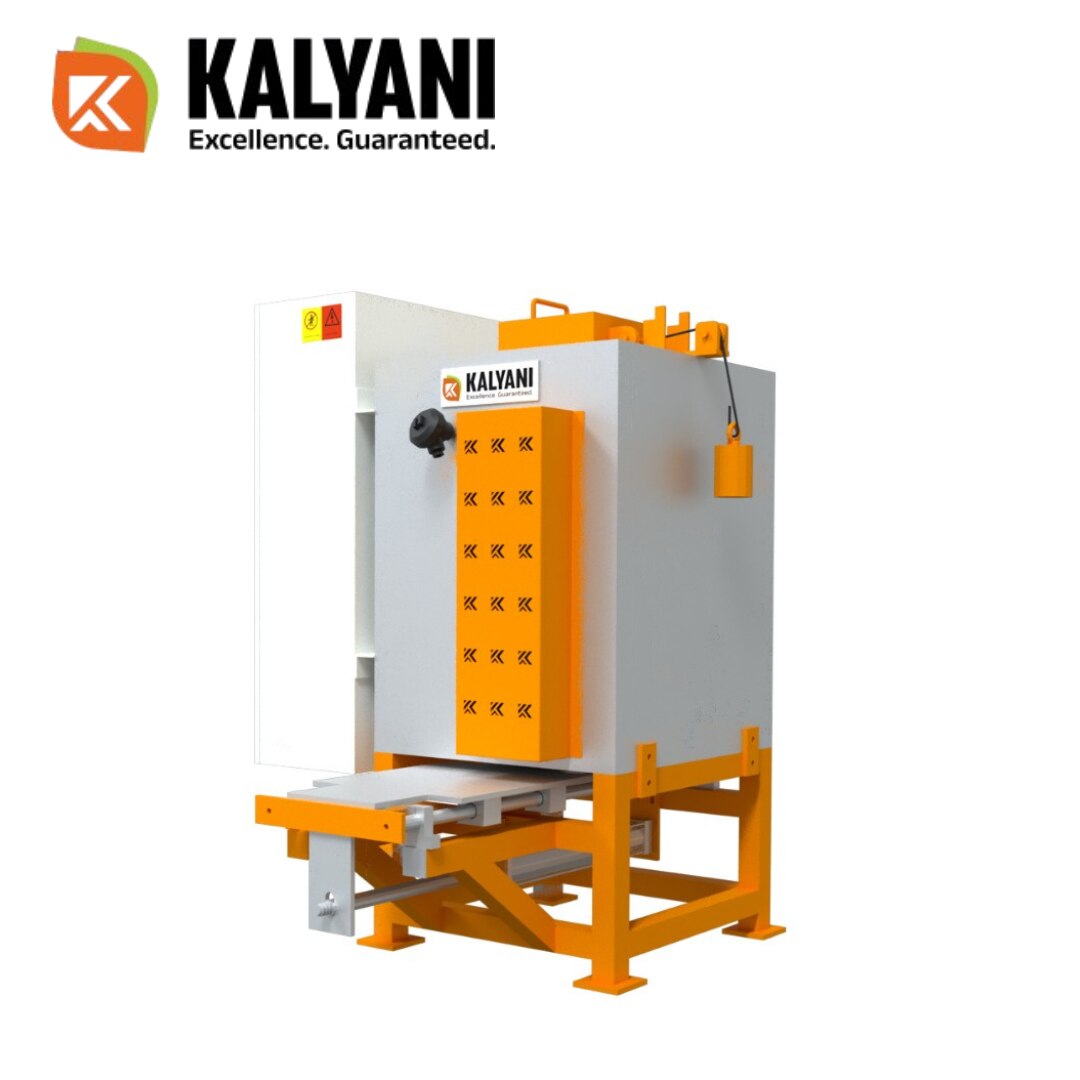
A cold or damp ladle can freeze metal, crack its refractory lining, waste pouring heat, or turn residual water into a violent steam-expulsion hazard. By comparing heating methods, lining-specific temperature cycles, operating evidence, and ownership demands, you can decide whether a dedicated furnace earns its space and energy—or whether another method is safer and more practical.
Key takeaways
- Remove moisture before charging any ladle with molten metal.
- Use controlled heating to limit refractory thermal shock and lining damage.
- Size the furnace around ladle dimensions, cycle time, and required heat input.
- Verify dryness, temperature, lining condition, and safe handling before use.
What ladle preheating prevents—and when a furnace beats other methods
Ladle preheating removes water before molten metal enters the vessel, reducing the risk of a steam explosion. It also limits refractory thermal shock, prevents metal from freezing against a cold lining, and reduces the extra heat needed to bring the ladle into service.
An industrial furnace for ladle preheating is the right method when you need repeatable temperature, controlled drying, several ladles per shift, or a staged cycle for new and repaired linings. It is usually excessive for occasional use with one small ladle.
Do not confuse this equipment with a steelmaking ladle furnace, which uses submerged electrodes for molten-steel heating, alloy adjustment, stirring, and slag treatment; those functions add capital, electrical capacity, electrode use, and maintenance without helping an empty ladle.
| Option | Strength | Limitation | Best fit |
|---|---|---|---|
| Gas or oxy-fuel burner | Rapid, high heat input | Direct flame can create hot spots and uneven drying | Intermittent heating with suitable ventilation |
| Electric resistance furnace | Even, controllable heat and clean operation | Needs electrical capacity and element maintenance | Repeatable cycles and controlled refractory dry-out |
| Hand-held torch | Low entry cost and flexible placement | Slow, inconsistent, and operator-dependent | Small ladles and occasional work |
| Ladle kept hot from the previous heat | Avoids a separate heat-up cycle | Heat loss and temperature depend on production timing | Continuous, closely sequenced casting |
Choose the furnace location beside the pouring station only after checking crane access, traffic, splash exposure, ventilation, combustible materials, and escape routes. A close-fitting lid saves heat, but it must clear the rim, handles, spout, and lifting gear; interlocks should block heating when the lid or door is unsafe.
How to set the temperature without damaging the lining
Set the target from the alloy, lining and residence time, not from the furnace nameplate. Steel ladles commonly require about 800–1,100 °C; aluminium foundry ladles often need only 200–400 °C. Excessive heat wastes energy and accelerates lining wear, while insufficient heat increases metal-temperature loss and freezing risk.
Use the refractory supplier’s written cure curve as the authority. A practical cycle framework is:
- New lining: ramp slowly through the low-temperature drying range, around 100–150 °C, and hold until free moisture has left. Continue with staged holds around 300–350 °C and any higher cure stages specified for the refractory, then approach operating temperature gradually. Allow several hours or a full shift when the lining is thick or moisture readings remain high.
- Repaired or relined ladle: treat it as a dry-out job, not routine preheating. Reduce the ramp rate and repeat the required low-temperature holds; repair mortar and patches can retain water after the surrounding lining feels hot. Rapidly heating the surface can create steam spalling, cracks or explosive ejection during charging.
- Production ladle: ramp to the process target, then soak until lining thermocouples or validated surface measurements stabilise. Record the actual lining temperature before release, rather than accepting the furnace-air reading alone.
A ladle preheating furnace needs programmable ramps, soak timers and temperature verification. Never put a wet coating, tool or lining into contact with molten metal; residual water flashes to steam.
How to specify furnace capacity, heat input, and layout
Specify furnace capacity from the heaviest representative ladle and its actual cycle, not from an empty-chamber heat-up time. Include shell mass, steel or iron construction, internal diameter, depth, rim and spout dimensions, lifting handles, lining thickness, refractory type, repair patches, coating and residual moisture. These details determine heat demand and cycle repeatability.
Give the supplier these operating inputs:
- Target lining temperature, heating rate, number of ladles per hour, batch schedule and maximum waiting time.
- Heat-up time, holding power, energy per ladle, idle setback, restart time and recovery time after the lid opens.
- Available gas pressure and flow, electrical supply, exhaust capacity, ventilation and permissible fuel type.
- Crane approach, ladle rotation, handle clearance, operator access, escape routes, traffic lanes and distance to the pouring station.
- For aluminium, burner tuning limits, flame-path separation, combustion-product control and moisture management.
A close-fitting lid cuts standby loss only when it fits the rim and lifting gear; an unusable lid will stay open. Set interlocks to stop heating with the door or lid open, the ladle mispositioned or the exhaust unavailable.
| Option | What it provides | Main specification risk |
|---|---|---|
| Enclosed preheat furnace | Controlled heat with lower standby loss | Clearance, exhaust and handling access |
| Open burner station | Simple access and fast loading | Heat loss, uneven heating and flame contamination |
| Industrial ladle furnace | Electrode heating, refining and stirring | Excess capital, electrical demand and maintenance for empty-ladle preheating |
How to prove the ladle is hot, dry, and safe to use
1. Inspect the ladle before foundry ladle heating. Reject it for standing water, cracked or spalled refractory, blocked vents, damaged lifting points, or a distorted rim. Record the lining condition and ladle identification.
2. Run the approved dry-out or preheat recipe, not a maximum-power cycle. A new or repaired lining needs staged heating and soak periods to drive out internal moisture; rushing the surface to temperature can cause steam spalling or explosive damage. Use the shorter routine cycle only for a seasoned ladle.
3. Measure the load, not only the furnace air. Use calibrated thermocouples or a temperature survey with a correctly emissivity-adjusted infrared instrument at the bottom, sidewall, spout, rim, and thickest refractory section. For aluminium, the target often falls around 200–400 °C, but set it from alloy, pouring temperature, lining, residence time, and allowable metal-temperature loss.
4. Prove uniformity during a loaded acceptance test. Compare all measurement points after the specified soak and record the spread against a written allowable variation. A controller reading at setpoint does not prove that the bottom or spout is ready.
5. Release the ladle only when the recipe, soak time, readings, and inspection pass. The furnace should prevent heating with the door or lid open, the ladle misplaced, exhaust unavailable, or an over-temperature condition active.
Add element-failure detection where one failed heater could create a cold zone, and interlock lifting or charging operations with the heating cycle.
When the investment is justified—and what to demand from a supplier
Approve an industrial furnace for ladle preheating only when its measured cycle fits your pouring schedule and its safety gains exceed its installed cost. Compare the proposal with burner fuel, electricity, labour, reheating delays, rejected heats, lining repairs, and the cost of moving hot ladles.
Demand production evidence, not an empty-furnace heat-up time. The supplier’s proposal should state:
- Heat-up and recovery time for representative ladles, including lining thickness, refractory type, repair patches, coating, and residual moisture.
- Heater sizing based on Q = m × cp × ΔT plus shell, door, openings, and exhaust losses; confirm that the installed power maintains temperature during interruptions.
- Separate cycles for routine preheating, new linings, repaired areas, and commissioning cures, with controlled ramp rates and a documented dryness or readiness check.
- The target temperature, temperature-uniformity limits, sensor locations, interlocks, alarm actions, and records you will receive during acceptance testing.
- The proposed location’s effects on crane access, traffic, splash exposure, combustible materials, ventilation, escape routes, and the distance to pouring; extra travel can erase energy savings.
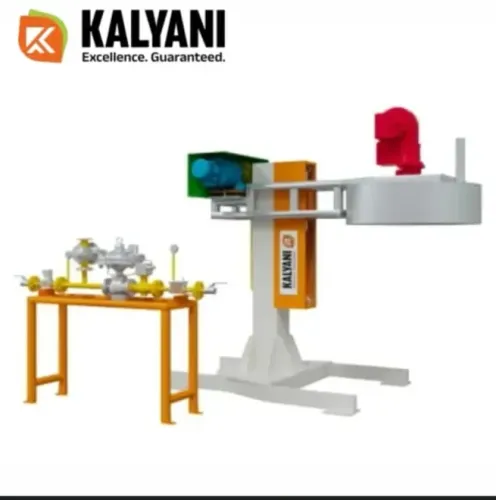
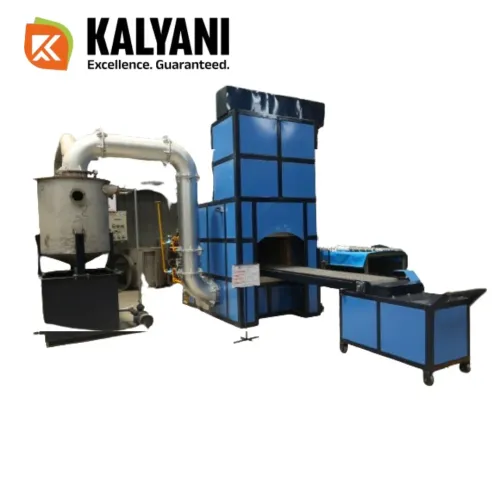
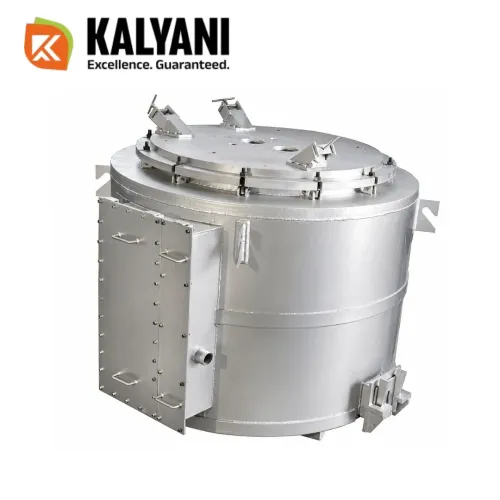
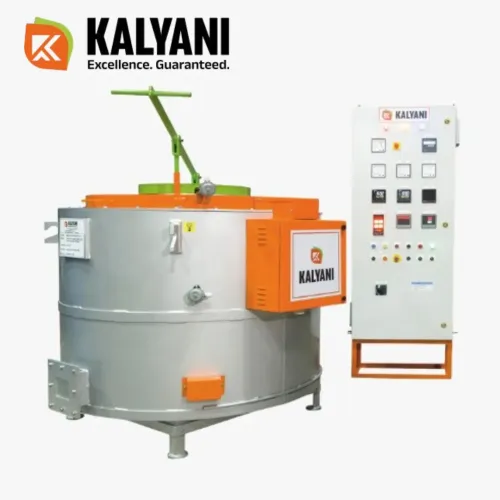
KALYANI FURNACES INDIA PVT LTD should be evaluated on the same evidence: ask for a trial or acceptance test using your actual ladle, not a catalogue rating. Reject a full industrial ladle furnace when you only need to heat an empty ladle; electrodes, arc-refining equipment, electrical infrastructure, and maintenance add cost without improving preheat.
Go ahead when the tested cycle meets throughput, dryness, handling, and recovery requirements with a documented payback.
Related product
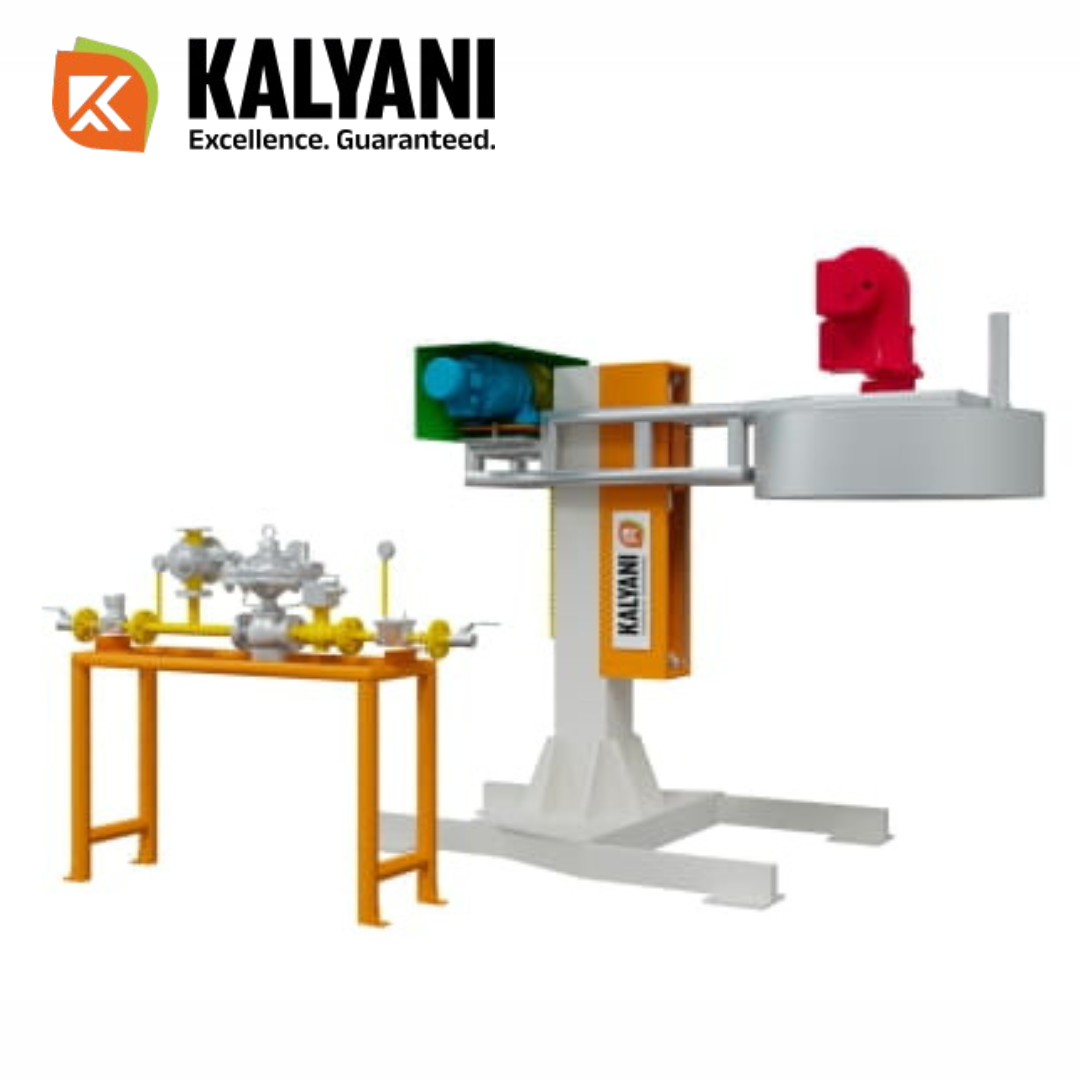 | Foundry Equipment Foundry Ladle Preheating Furnace Product Overview Kalyani Furnaces India Pvt. Ltd. is a leading Foundry Ladle Preheating Furnace manufacturer based in Pune, India, established in... |
Frequently asked questions
What does ladle preheating prevent?
It removes moisture that could trigger a steam explosion, reduces refractory thermal shock, limits metal freezing on the lining, and lowers the heat needed to bring the ladle into service.
How do you set a ladle preheating temperature without damaging the lining?
Use a controlled heating ramp suited to the refractory system, avoid sudden temperature changes, and confirm the lining supplier’s drying and operating limits before setting the furnace cycle.
What information is needed to specify a ladle preheating furnace?
Provide ladle diameter, height, working capacity, empty mass, refractory type and thickness, target temperature, heating cycle, fuel or electrical supply, production rate, and available floor space.
How do you prove a ladle is hot, dry, and safe to use?
Record the heating cycle, confirm temperature at the lining rather than relying only on burner time, inspect for cracks or spalling, and verify that no water or damp refractory remains before charging.