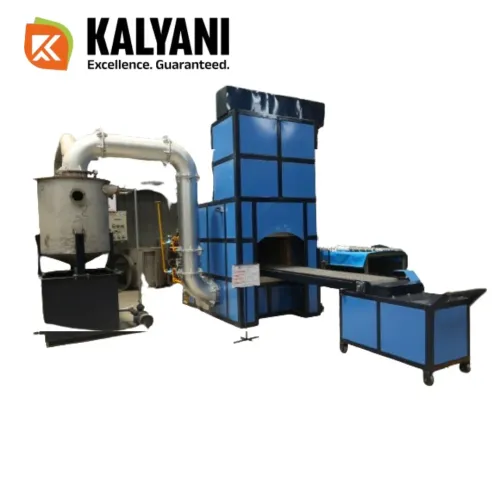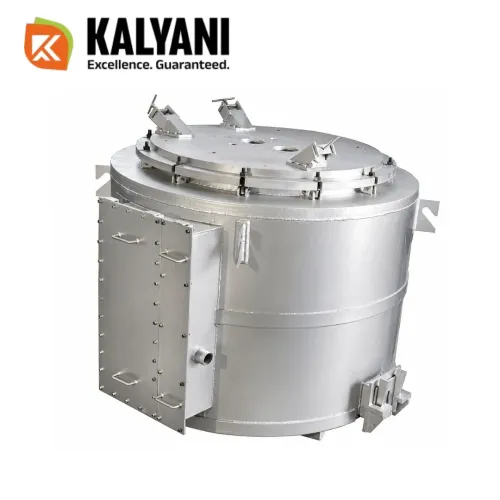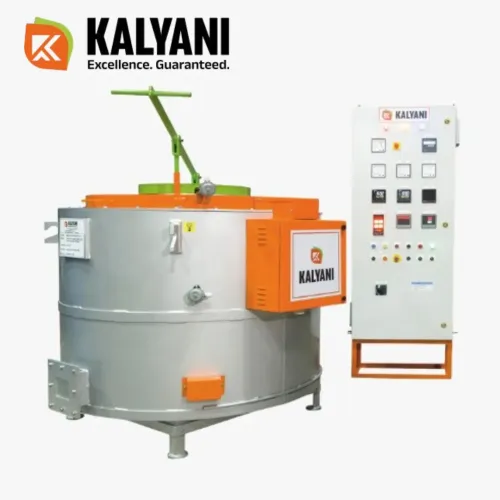

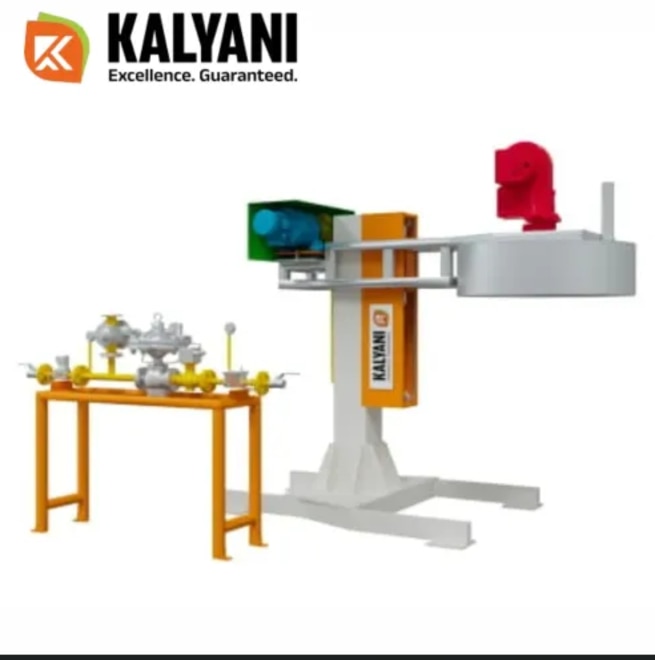
One furnace keeps a measured bath of molten aluminium at a controlled casting temperature; the other heats an empty, refractory-lined ladle before that metal enters it. By separating these duties, you can place each machine correctly in the workflow, compare meaningful specifications, and avoid buying heat-up capacity when your real problem is holding loss—or the reverse.
Key takeaways
- Holding furnaces maintain molten aluminium; ladle furnaces heat empty refractory vessels.
- Place the holding furnace after melting and the preheater before metal transfer.
- Compare usable capacity, temperature control, fuel, heating time and refractory design.
- Dry ladles fully and verify temperature before introducing molten aluminium.
What thermal job does each furnace perform?
An aluminium holding furnace keeps a measured inventory of molten aluminium at an alloy-specific pouring temperature after melting, while a foundry ladle preheating furnace heats an empty ladle before transfer. One manages liquid metal; the other prepares the refractory vessel that will receive it.
The holding furnace supplies controlled superheat above aluminium’s 660.3 °C melting point, then limits temperature loss between treatment and pouring. Excessive heat increases oxidation, dross formation and hydrogen pickup, so its job is stable, uniform holding rather than achieving the highest possible temperature.
The ladle preheater removes moisture from the ladle lining and coating and reduces thermal shock when molten aluminium enters. Charging a cold or damp ladle can create rapid steam expansion, lining damage and an unsafe metal splash. It does not melt, hold, degas or manage a bath of aluminium.
| Machine | Thermal job | Correct process stage |
|---|---|---|
| Aluminium holding furnace | Maintain molten metal at a controlled, uniform temperature and provide a ready inventory | After melting and treatment, before and between pours |
| Foundry ladle preheating furnace | Dry and heat the empty ladle, refractory lining and coating | Before ladle filling and transport |
| Why they cannot substitute | A preheater has no controlled metal bath or bath-level management; a holding furnace does not provide the ladle’s defined dry-out cycle | Select according to the thermal problem |
A typical sequence is melting, transfer to the holding furnace, treatment or degassing, ladle preheating, ladle filling, transport and pouring. Molten aluminium is present during holding and treatment; the ladle must remain empty during preheating. Compare holding loss and recovery time for the first machine, but heat-up time and fuel per ladle for the second.
Where each furnace fits from melting to pouring
Melting and treatment happen before pouring; ladle preheating happens separately, with no aluminium in the ladle.
1. Melt the charge in the melting furnace. Transfer the molten aluminium to the holding furnace, where it remains at the controlled casting temperature between batches.
2. Treat or degas the molten aluminium in the holding furnace or a separate treatment unit. Remove dross and confirm temperature before transfer; preheating does not remove dissolved hydrogen or oxide films.
3. Heat the empty, refractory-lined ladle in the foundry ladle preheating furnace. Complete the defined dry-out cycle and inspect the lining before charging it. A damp ladle can convert residual moisture into expanding steam.
4. Fill the hot ladle with treated molten aluminium, transport it to the mould or casting machine, and pour. Keep transfer time short because the ladle loses heat even after preheating.
| Stage | Material state | Main equipment or action |
|---|---|---|
| Melting | Solid charge becomes molten aluminium | Melting furnace |
| Holding and treatment | Molten aluminium | Holding furnace, temperature measurement and degassing |
| Ladle preparation | Empty ladle | Foundry ladle preheating furnace |
| Filling and transport | Molten aluminium in hot ladle | Controlled transfer and handling |
| Pouring | Molten aluminium enters mould | Ladle and casting station |
Preheat the ladle while melting or treatment is underway to avoid delaying the pour. Never use the ladle preheater as a holding furnace: it heats refractory, not a controlled metal bath.
Which specifications reveal the right capacity and performance?
Compare usable aluminium capacity with throughput, not the vessel’s advertised volume. An aluminium holding furnace running permanently full leaves little room for skimming, level control or a production interruption; a foundry ladle preheating furnace must be sized around the ladle’s internal dimensions and required turnaround.
| Specification | Aluminium holding furnace | Foundry ladle preheating furnace |
|---|---|---|
| Bath or ladle capacity | Usable bath volume in kg or tonnes, plus minimum and maximum working levels | Maximum ladle mass, diameter, depth and refractory-lined capacity |
| Temperature control | Operating range, setpoint stability in °C and recovery time after charging or pouring | Preheat target for the lining and coating, with cut-off temperature and soak time |
| Heat-up performance | Holding loss and recovery time after a metal transfer, stated in kW or °C per hour | Empty-to-target heat-up time and fuel or electricity consumed per ladle |
| Uniformity | Temperature difference in °C across the bath, especially at the outlet and pouring zone | Temperature difference between the ladle bottom, sidewall and working face |
| Heating power | Rated input in kW, useful heat delivered and energy per tonne held | Burner or element input in kW and energy per preheated ladle |
| Insulation | Refractory and insulation thickness, thermal conductivity and expected heat loss | Lining system, shell insulation and resistance to repeated thermal cycling |
| Instrumentation | Independent bath sensors, outlet-zone measurement, level indication, controller and alarm records | Lining-face thermocouple or pyrometer, cycle timer, flame or element monitoring and over-temperature alarm |
Request a temperature-uniformity test map and logged heat-up curve, not only installed power. A single chamber sensor can show an acceptable reading while a cold heel leaves the outlet metal below the casting target.
How do you operate both machines without creating a metal or moisture hazard?
Keep the holding furnace only as hot as the alloy and pouring schedule require. Excessive superheat accelerates oxidation, dross formation and hydrogen pickup; pure aluminium melts at about 660.3 °C, but the correct holding setpoint depends on alloy, casting method and allowable temperature loss.
- Verify calibrated thermocouples, controller alarms and high-temperature cut-outs before charging or reheating.
- Check bath level and avoid exposing the heating zone to an underfilled furnace; follow the manufacturer’s minimum level.
- Skim dross with dry, preheated tools, and prevent turbulence during transfer. Use the foundry’s approved degassing and hydrogen-control procedure, then confirm quality with its specified test, such as a reduced-pressure test.
- Record temperature before and after treatment, not only the controller setpoint.
Treat the ladle preheater as a moisture-removal cycle, not a metal-treatment furnace. Complete the defined dry-out cycle, heat the refractory working face rather than only the steel shell, and inspect for cracks, loose lining or damaged coating. A cold or damp ladle can convert trapped water into expanding steam on contact with aluminium.
Use an interlock or written release check that confirms ladle temperature, dryness, lifting gear, capacity and freeboard before filling. Fill slowly with the ladle stable and correctly positioned; never use wet tools or rush metal into a cold lining, which causes splash and thermal shock. Allow for temperature loss after heating stops.
For aluminium foundry equipment in Bengaluru, specify supply, earthing, exhaust and combustion safeguards alongside these operating checks.
How should you choose equipment for your foundry site?
Start with the bottleneck: specify an aluminium holding furnace when metal must remain molten between pours; specify ladle preheating equipment in bengaluru when cold, damp ladles delay an intermittent casting cycle. A long furnace-to-mould route increases holding capacity and recovery requirements, while multiple ladles increase preheater throughput and favour staged, repeatable cycles.
| Purchase question | Holding furnace | Ladle preheating furnace |
|---|---|---|
| Throughput and duty | Kilograms or tonnes held, holding loss, recovery time, energy per tonne; continuous or long-duration duty | Ladles per hour, heat-up time, fuel per ladle; high-rate intermittent duty |
| Distance and cycle | Sized for transfer delays and pauses between pours | Sized for every ladle used before filling, including standby ladles |
| Utility | Connected electrical load or fuel consumption for sustained operation | Peak heating demand or burner capacity during rapid heat-up |
| Control target | Bath temperature, level and uniformity | Refractory-face temperature, dry-out cycle and heat retention until filling |
Ask the supplier to state, not assume:
- Available supply: 415 V, three-phase, 50 Hz where applicable; connected load, peak demand and earthing requirements.
- For gas equipment: LPG or PNG pressure, fuel-train specification, combustion air, flame-failure protection, exhaust route and ventilation.
- Installation boundaries: foundation, lifting access, refractory commissioning, control-panel protection, permits and who completes local electrical, gas and exhaust work.
For aluminium foundry equipment in bengaluru, KALYANI FURNACES INDIA PVT LTD should receive the ladle dimensions, lining, coating, daily ladle count, transfer distance and utility drawings before sizing the equipment.
Related product
Frequently asked questions
What thermal job does each furnace perform?
An aluminium holding furnace maintains molten aluminium at a controlled pouring temperature. A foundry ladle preheating furnace heats an empty ladle and removes moisture before filling.
Where does each furnace fit in the foundry process?
The holding furnace sits between melting, treatment and pouring. The ladle preheating furnace operates before the ladle receives molten metal and transfers it to the pour point.
Which specifications should you compare?
Compare usable metal capacity for the holding furnace and ladle size for the preheater. Check temperature range, control accuracy, heat-up time, fuel or electrical load, refractory construction and access.
How do you avoid metal and moisture hazards?
Keep water away from molten aluminium, inspect refractory surfaces, dry ladles completely, confirm preheat temperature and remove damaged equipment before filling.
How should you choose equipment for your foundry site?
Match capacity and cycle time to your melt rate, pouring method, alloy temperatures, available fuel or power, ventilation, floor space and maintenance access.
Related product
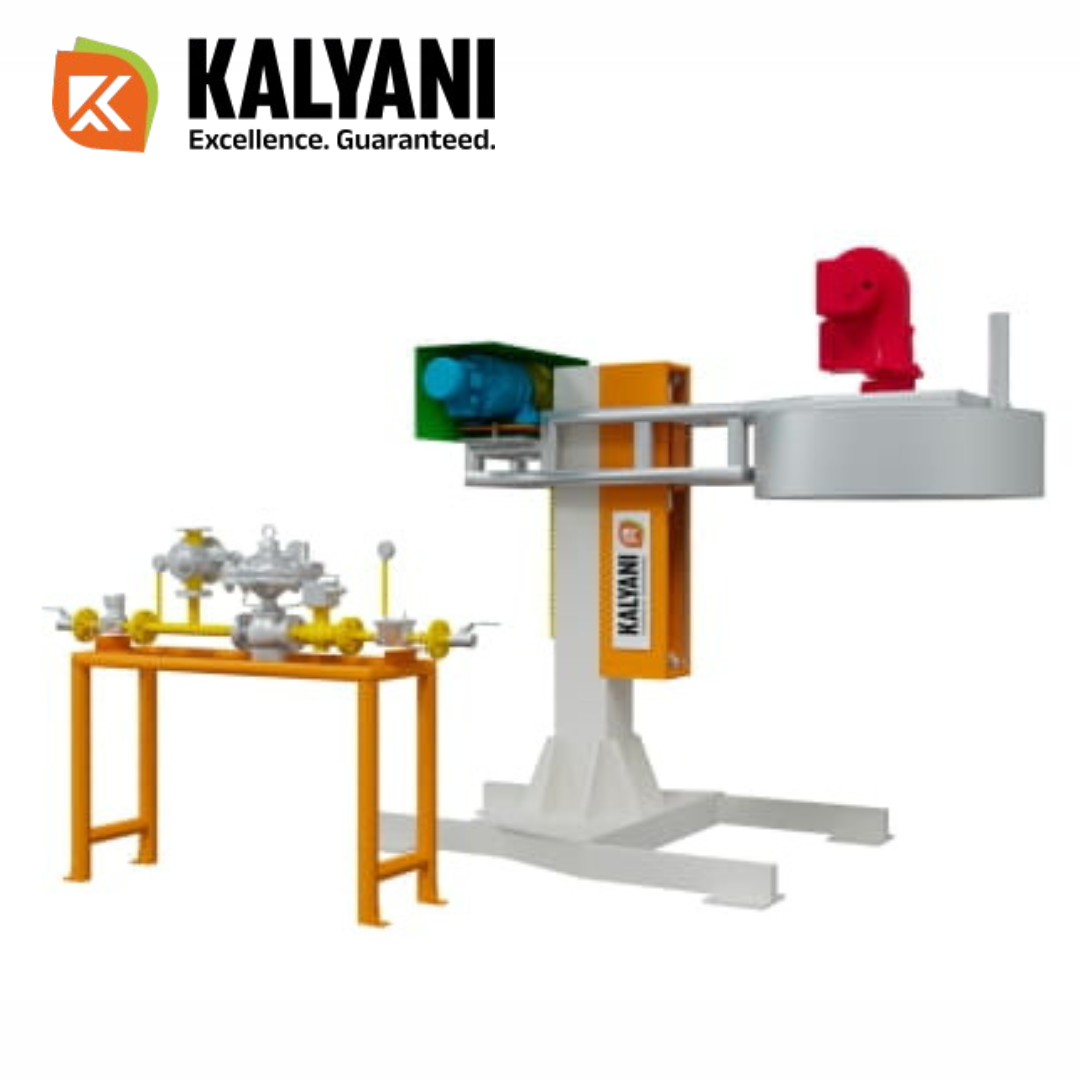 | Foundry Equipment Foundry Ladle Preheating Furnace Product Overview Kalyani Furnaces India Pvt. Ltd. is a leading Foundry Ladle Preheating Furnace manufacturer based in Pune, India, established in... |