
Rain-related stoppages expose more than a furnace to risk: damp charge, wet tools, electrical condensation and delayed transfers can threaten safety and melt quality. By the end, you will be able to plan a dry operating sequence, control temperature through interruptions and specify checks that prove a furnace is ready for wet-weather production.
Key takeaways
- Keep charge, ladles and transfer paths under cover from storage through pouring.
- Inspect refractory dryness before heating; never assume a rain-soaked lining is safe.
- Seal electrical enclosures and check cable glands, drains and insulation resistance.
- Test temperature stability, holding performance and safe restart after power interruptions.
Why a Holding Furnace Matters When Monsoon Production Stops
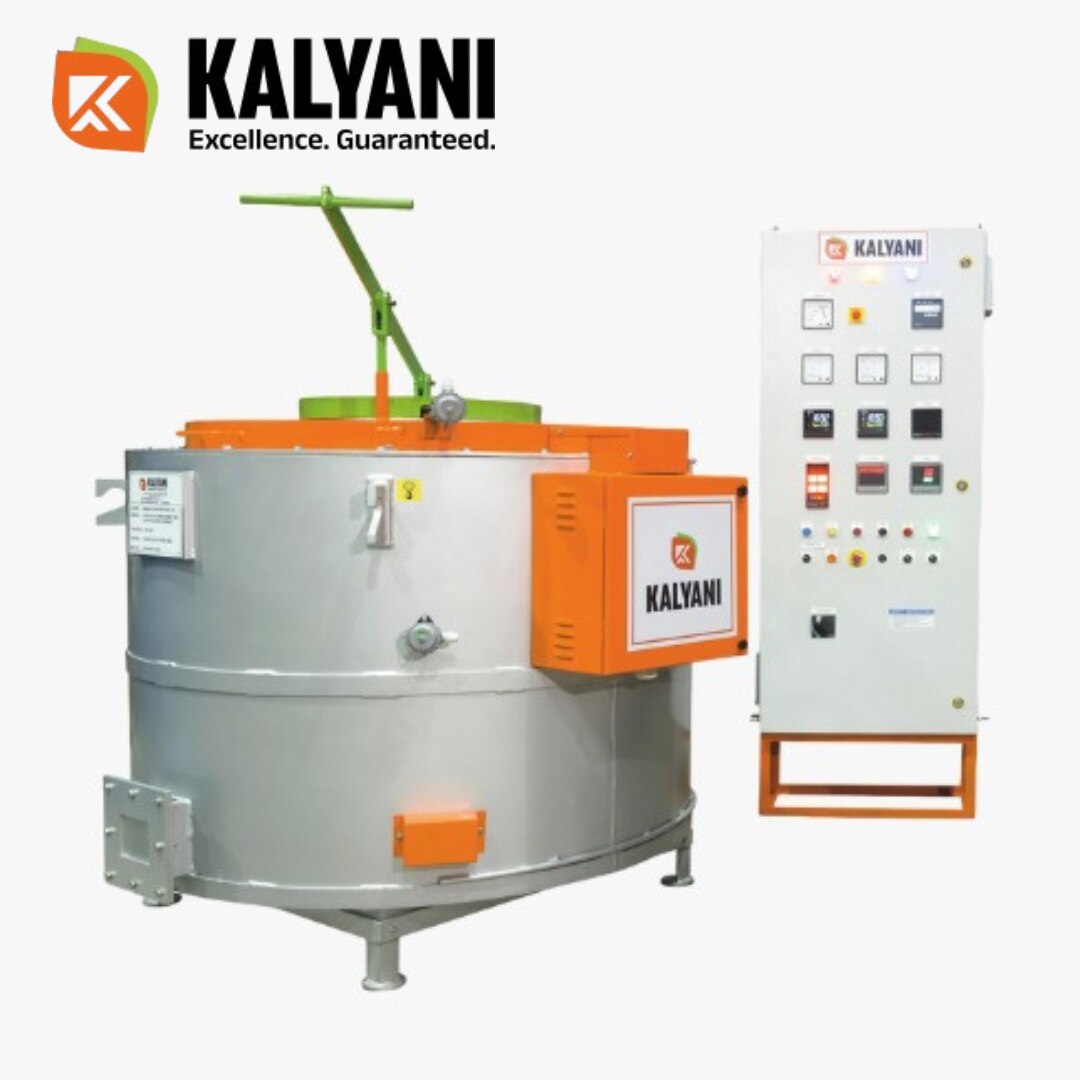
A rain delay should not turn a controlled casting cycle into repeated melting. An aluminium holding furnace for monsoon foundry work keeps clean, dry metal near its casting range while access, material movement or power interruptions slow production.
It is not a melting furnace: melt and dry the charge in equipment designed for charging, then send only clean, dry metal to the holding furnace. Wet metal entering the vessel can generate steam, violent spatter and an explosion.
Keep these away from molten aluminium:
- Wet tools or probes
- Damp scrap and returns
- Wet ladles
- Rainwater or standing water
During an interrupted cycle, independent protection matters. An independent high-limit device must stop heating if a thermocouple, relay or sensor position fails; a low-level interlock must prevent exposed elements, overheated refractory or vessel damage when metal is withdrawn.
Insulation, a well-fitting lid and controlled heater or burner recovery preserve temperature without forcing excessive heat into the melt. Aluminium melts at about 660.3 °C, so unnecessary superheat increases oxidation, dross and hydrogen pickup.
Before restarting, clear standing water, inspect the roof and furnace enclosure, and check the control cabinet, cable glands and visible terminals for moisture. Use a controlled warm-up rather than immediate full power, and confirm that the furnace returns to a stable setpoint before casting.
A holding furnace protects production by buying safe time; it does not make wet charge safe.
Build a Dry, Covered Route from Charge to Casting
Rainwater must be stopped before it reaches molten aluminium, not merely kept off the furnace shell. An aluminium holding furnace monsoon procedure needs a covered, dry route from melting equipment to the furnace, then to transfer and casting points.
Keep these controls in place:
- Build a canopy that blocks direct rain but has no low points above the furnace, charge chute, control panel or ladle. Route gutters away from the foundation.
- Give the floor a visible fall to a sump sized for stormwater, and isolate standing water before moving metal.
- Keep melting, holding and casting routes under cover; never carry a hot ladle across an exposed yard.
- Dry and preheat every item entering the melt zone, including ladles, launders, skimmers, tools and thermocouple protection tubes. A wet tool can flash water into steam and eject metal violently.
- Store ingot, returns and scrap under a roof. Inspect cavities and hollow sections because trapped water remains dangerous even when the outer surface looks dry.
- Keep monsoon foundry equipment, electrical panels and cable glands above splash level, sealed against driven rain, and accessible for inspection.
The holding furnace is not a wet-weather melting station. Feed it clean, dry, temperature-controlled aluminium from equipment designed for charging and melting; damp ingot or returns create explosion, contamination and dross risks inside the holding vessel. A dry route protects people, refractory and production together.
Control Temperature, Refractory Moisture and Electrical Ingress
A wet weather holding furnace needs a dry-out decision before it needs heat. After a humid shutdown or rain exposure, inspect the lid, refractory joints, element terminals, cable glands, control cabinet and floor for condensation or visible water paths. Do not energise through standing water.
Use a controlled refractory warm-up, not an immediate full-power restart. Record thermocouple readings against an independent temperature indicator, confirm metal level, and watch for uneven temperature rise; trapped moisture can generate steam, spall refractory and damage heating elements. Keep wet returns, damp ingot and rainwater out of the furnace.
Restart in this order:
- Isolate and remove water; check roof drainage and the furnace enclosure.
- Inspect terminals, insulation and glands; verify earth-leakage protection and insulation resistance before applying power.
- Confirm the independent high-limit trip and low-level interlock. A failed thermocouple or relay must not leave exposed elements heating.
- Warm the refractory at the documented ramp rate, then stabilise the empty chamber before accepting metal.
- After a power cut, verify temperature, level and controller status rather than trusting the last displayed value.
- After the trial, inspect for condensation, discoloured terminals, cracked refractory and new water paths.
Specify the cabinet IP rating under IEC 60529, but do not treat that rating as condensation control. Require sealed cable entry, drainage, cabinet heating or dehumidification where needed, and a written restart test. A genuine wet-season operating trial should include a cold humid start, simulated rain protection, power interruption, temperature-uniformity checks and safety trips.
Protect Melt Quality During Extended Holding and Transfer
Set the holding furnace to the lowest temperature that preserves fluidity for the alloy, transfer distance and casting cycle. Aluminium melts at about 660.3 °C; excessive superheat during a rain delay increases oxidation, dross, refractory attack and hydrogen pickup.
An aluminium holding furnace monsoon procedure must control time and temperature, not simply leave the bath hot.
Use this sequence before each resumed transfer:
- Keep the lid closed during the delay, record bath temperature and metal level, and remove only clean surface dross with a completely dry tool.
- Preheat every ladle, launder, skimmer and transfer tool in a controlled area until it is visibly dry and reaches the foundry’s qualified preheat condition. Reject anything exposed to rain, condensation or standing water.
- Transfer only clean, dry metal from the melting furnace. Do not add damp ingot, wet returns, flux or scrap to the holding furnace; trapped water can flash to steam and eject metal.
- Degas after the delay and before casting when the melt-quality check requires it. Use the established rotor speed, treatment time and dry gas or flux procedure, then skim oxide film without plunging wet equipment into the bath.
Keep the route covered and shorten the open transfer distance. A late ladle that cools below the casting window needs controlled correction, not aggressive heating that drives dross and hydrogen upward. If transfer resumes after suspected moisture exposure, isolate the ladle and investigate rather than risk spatter or an explosion.
Specify and Test a Furnace for Real Monsoon Conditions
Reject a furnace that passes only an empty heat-up. Specify an aluminium holding furnace for monsoon foundry work around a cold, humid start, controlled refractory warm-up, interrupted power and a restart with metal inside. Require independent high-limit and low-level protection: one PID controller can keep calling for heat after a sensor, relay or thermocouple fails.
Electric and gas designs shift risk to different places. Compare them before choosing monsoon foundry equipment.
| Option | Compare on site | Monsoon-specific failure to test |
|---|---|---|
| Electric heating | Installed kVA, element-terminal access, spare elements, dry-out time and cabinet drainage | Condensation, insulation resistance, earth leakage and safe restart after power loss |
| Gas firing | Fuel shutoff, flame-failure protection, combustion-air location, flue drainage and service access | Rain entering the burner train or flue, altered combustion and failure response |
| Either design | Lid fit, insulation, temperature uniformity, low-level interlock and high-limit independence | Cold spots, exposed elements or overheating after a casting delay |
Put the furnace through a wet-season operating trial, not a demonstration cycle:
- Start cold after humid exposure and record warm-up time and refractory behaviour.
- Interrupt power, verify safe heat isolation, then test restart logic.
- Check roof, doors, cable glands, drains and rain-shedding flues during simulated rain.
- Test earth-leakage protection, the independent high-limit trip and low-level interlock.
- Map temperature uniformity at several metal levels and positions.
- Shut down, then inspect terminals, insulation, refractory and enclosure for condensation or water paths.
Never add damp ingot or wet returns to a holding furnace; melt and dry charge in suitable melting equipment first. KALYANI FURNACES INDIA PVT LTD can be asked to document how its ladle and degassing interfaces remain isolated from wet transfer routes.
Related product
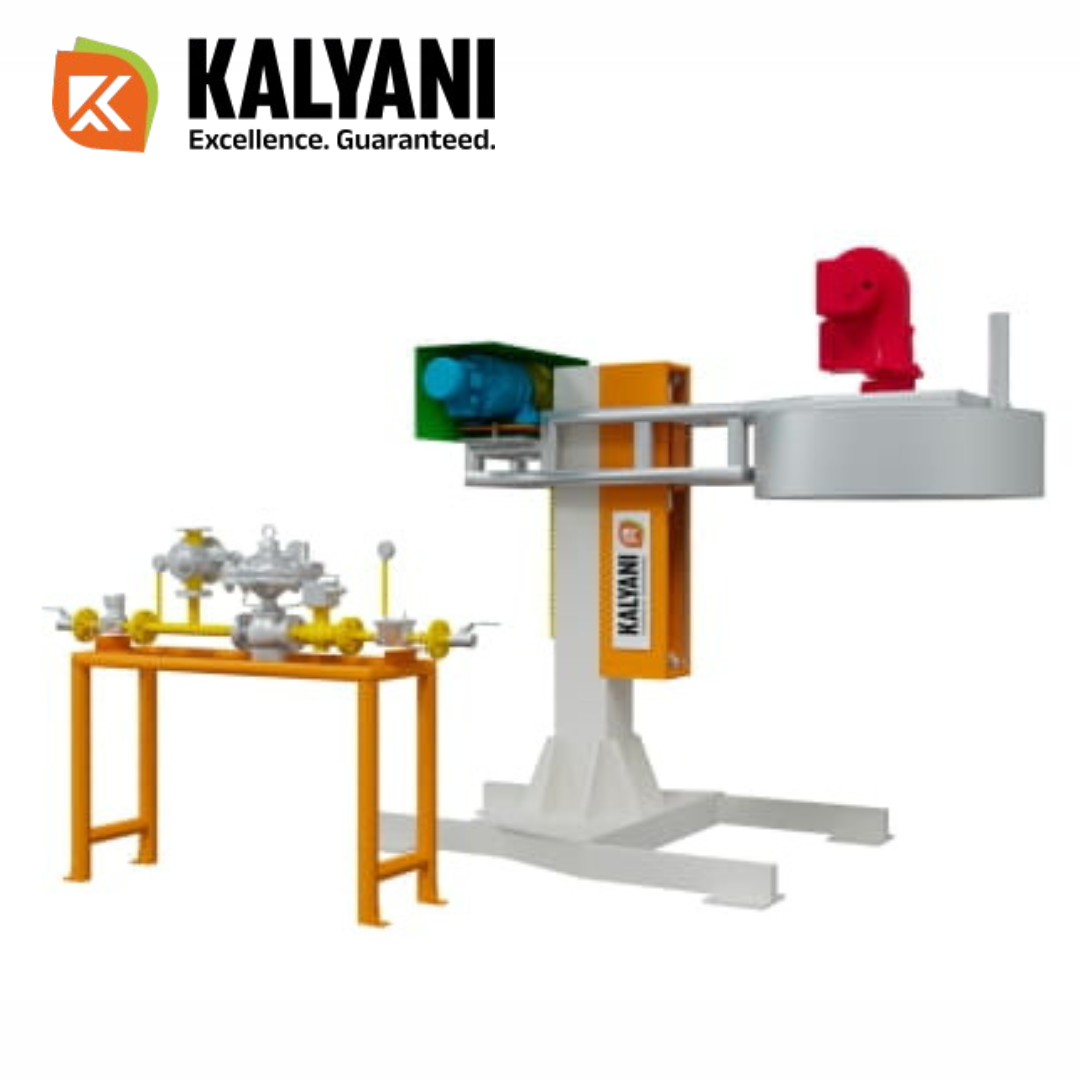 | Foundry Equipment Foundry Ladle Preheating Furnace Product Overview Kalyani Furnaces India Pvt. Ltd. is a leading Foundry Ladle Preheating Furnace manufacturer based in Pune, India, established in... |
Frequently asked questions
Why does a holding furnace matter when monsoon production stops?
It keeps prepared aluminium near casting temperature, reducing repeated melting when rain, access or power interruptions delay pouring.
How should you build a dry route from charge to casting?
Cover charge storage, furnace access, ladle movement and the pouring point so rainwater cannot enter the melt path.
What should you check before operating a furnace after wet weather?
Confirm refractory dryness, inspect doors and seals, clear drains, and check electrical enclosures, cable glands and insulation.
How can you protect aluminium quality during extended holding?
Control holding temperature and time, limit unnecessary agitation, skim contamination, and keep transfer equipment dry and covered.