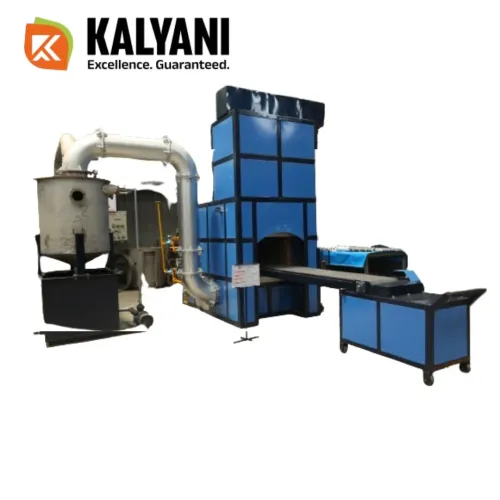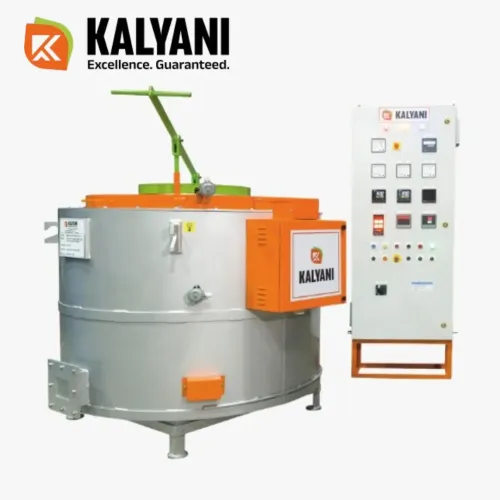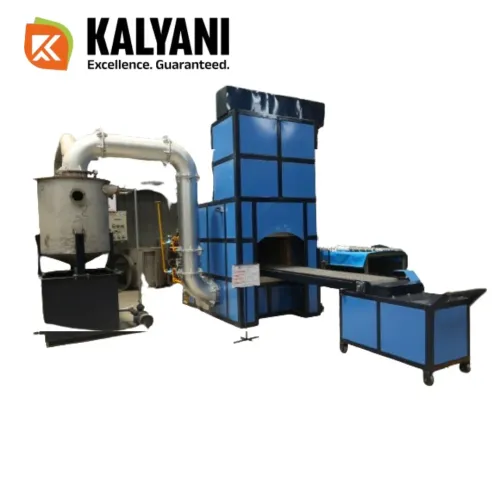

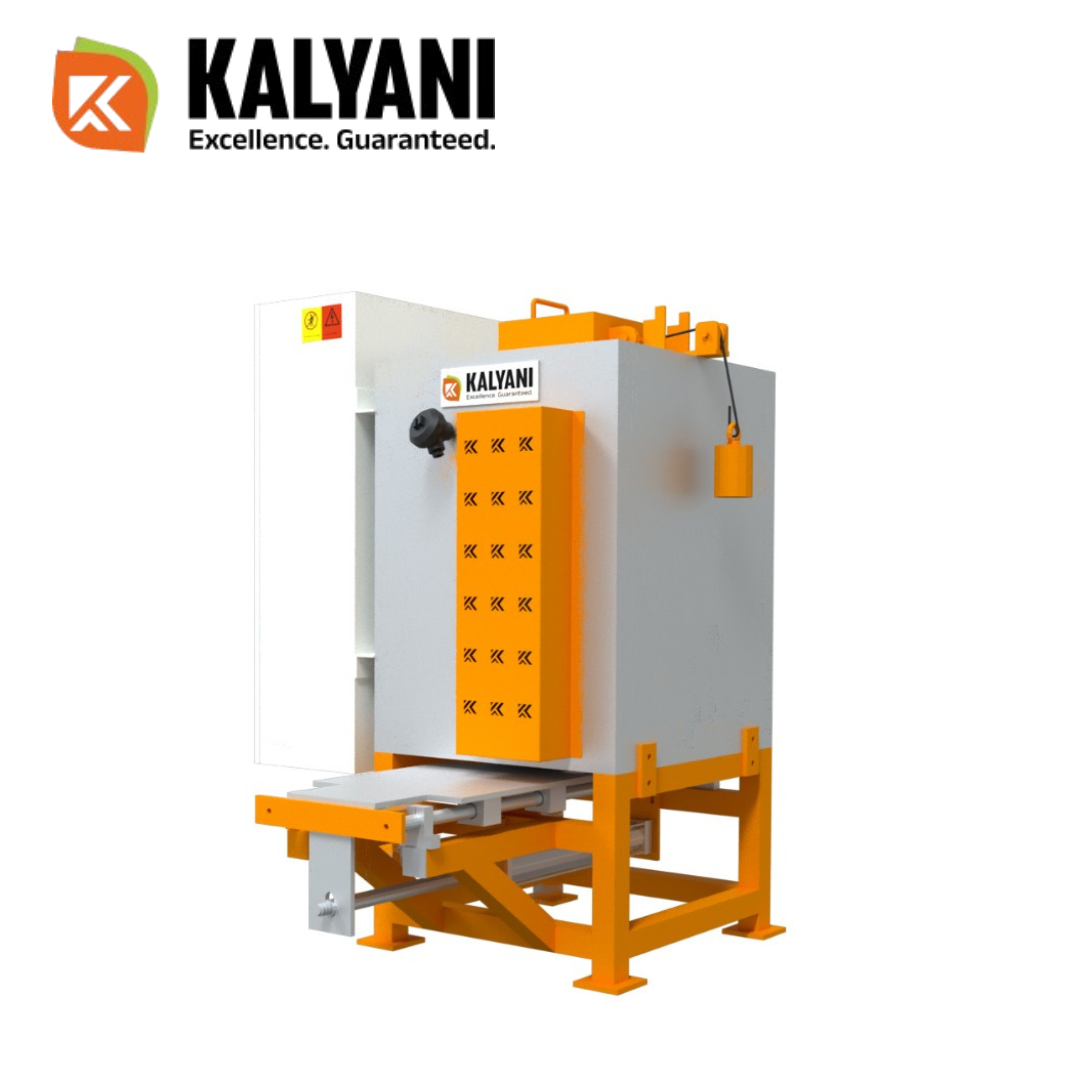
Industrial furnaces are used wherever manufacturing processes require controlled heating at temperatures beyond the capabilities of ordinary heating equipment. Depending on the application, an Industrial Furnace may be required for melting, heating, heat treatment, drying, curing, baking, or other thermal processes.
For manufacturing companies in Bengaluru, selecting an industrial furnace requires a clear understanding of the process rather than simply comparing furnace dimensions or maximum temperature ratings. Two furnaces capable of reaching the same temperature may perform very differently because of variations in chamber design, heating system, airflow, insulation, controls, loading arrangement, and production cycle.
The starting point should always be the material and process. Metals, castings, fabricated parts, moulds, coatings, and other industrial products respond differently to heat. Manufacturers should define the required operating temperature, heating rate, holding period, cooling requirements, and acceptable temperature variation.
Production volume is the next consideration. A furnace designed for occasional batch processing may not be appropriate for a plant operating several shifts every day. Likewise, a continuous production facility may require a very different material-handling arrangement from a batch operation.
Before selecting equipment, buyers should examine:
Required working temperature and temperature range
Material or component being processed
Batch weight, component dimensions, and loading pattern
Daily production requirement
Fuel or electrical availability
Temperature uniformity expectations
Automation and control requirements
Exhaust and ventilation requirements
Maintenance accessibility
Available installation space
Energy consumption deserves careful evaluation because industrial heating can represent a substantial operating cost. Furnace insulation, refractory quality, burner or heating-element performance, door design, operating cycle, and loading practices can all influence energy usage.
The maximum temperature rating should not be confused with the normal operating temperature. A furnace repeatedly operated close to its design limits may have different maintenance requirements from one appropriately selected for the intended process. Buyers should therefore communicate the normal operating range as well as occasional peak requirements.
Bengaluru and surrounding Karnataka industrial areas support companies involved in automotive manufacturing, aerospace, machine building, foundry operations, electronics, fabrication, and precision engineering. These industries can have highly different thermal-processing requirements. Furnace specifications should consequently reflect the actual application rather than a standard configuration chosen without process analysis.
Control systems are another important part of modern industrial furnace selection. Depending on the process, operators may need temperature indication, programmable cycles, alarms, data recording, or automated control sequences. The required level of control should be decided according to production and quality requirements rather than added unnecessarily.
Kalyani Furnaces India Pvt Ltd in Bengaluru operates in this specialized industrial furnace segment. When discussing a new furnace, providing complete process information can help establish suitable chamber dimensions, temperature capability, heating method, controls, insulation, and material-handling arrangements.
An Industrial Furnace is a long-term production asset, so purchase decisions should consider operating efficiency, serviceability, process compatibility, and future production requirements together. Bengaluru manufacturers that evaluate these factors early are better positioned to choose equipment that integrates effectively with their production environment rather than creating operational limitations later.