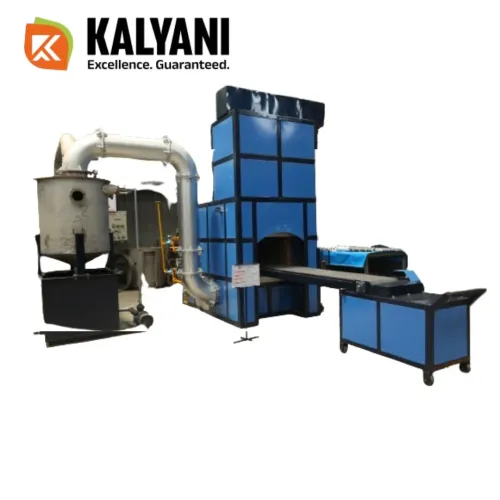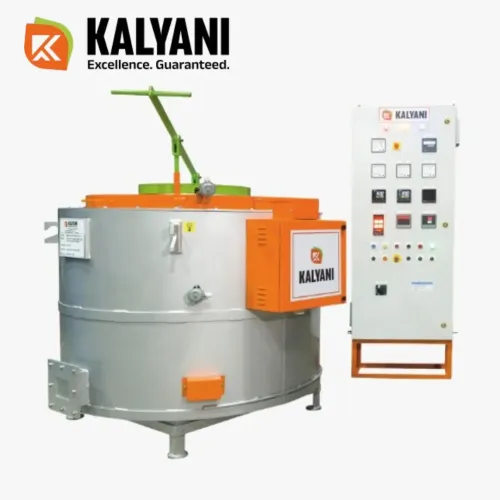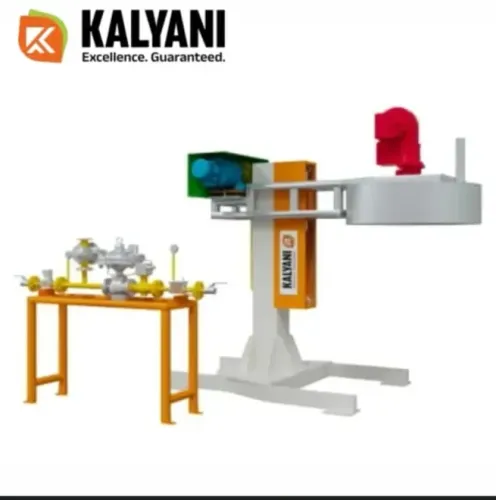

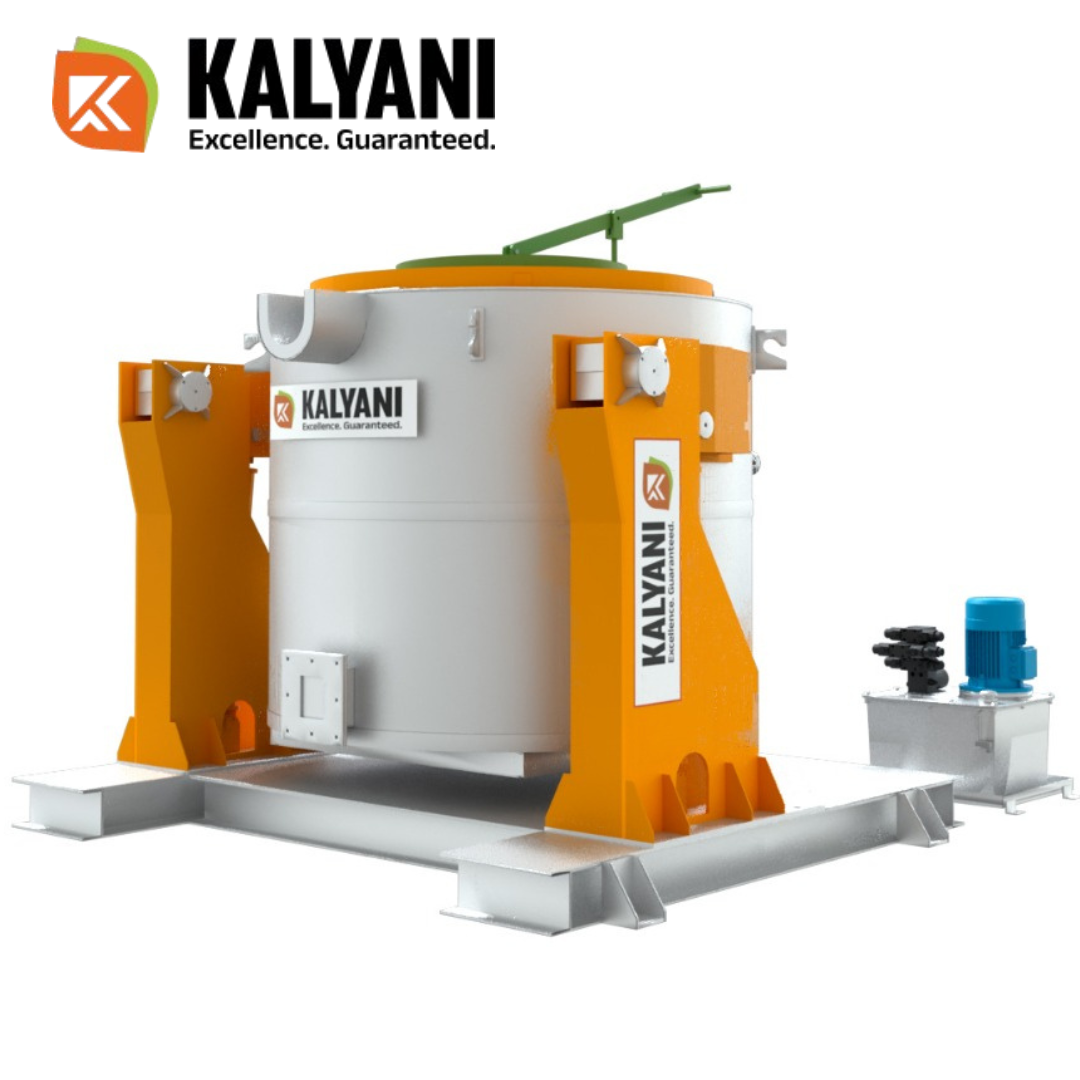
Aluminium melting is a critical stage in foundry and metal-processing operations because the quality, consistency, and efficiency of the melting process can influence everything that follows. For manufacturers in Bengaluru, Karnataka, selecting the right Aluminium Melting Furnace involves more than simply checking melting capacity. Fuel consumption, temperature control, metal loss, operating practices, furnace construction, and production volume all deserve careful consideration.
An aluminium melting furnace is designed to heat aluminium and its alloys to the required molten state before casting or further processing. Since aluminium has different thermal characteristics from ferrous metals, the furnace should provide controlled and reasonably uniform heating without creating unnecessary oxidation or excessive energy loss.
The first factor to evaluate is production capacity. A foundry processing relatively small batches has very different requirements from an industrial unit running continuous or high-volume casting operations. Furnace capacity should therefore be aligned with expected metal throughput rather than selected solely on maximum possible output.
Energy efficiency is another important consideration. Heat escaping through poorly insulated furnace walls, openings, or inefficient combustion systems can increase operating costs. Good refractory construction, suitable insulation, controlled burner operation, and appropriate furnace sizing can help reduce avoidable heat loss.
Manufacturers should also consider:
Required melting rate and batch size
Type and grade of aluminium being processed
Fuel or energy source available at the facility
Temperature monitoring and control requirements
Metal charging and removal arrangements
Space available on the production floor
Maintenance accessibility
Operator safety and ease of use
Temperature control deserves particular attention. Excessive temperature can increase oxidation and affect metal quality, while insufficient or inconsistent heating can slow production. A properly designed furnace should allow operators to maintain the molten metal within the required operating range.
Bengaluru has a diverse manufacturing ecosystem covering automotive components, aerospace engineering, machinery, electrical equipment, precision components, and general fabrication. Foundries supporting these sectors may require different melting arrangements depending on casting specifications and production cycles. This makes application-specific furnace selection particularly important for Karnataka-based manufacturers.
Another practical issue is the relationship between melting capacity and downstream casting capacity. Installing an oversized furnace does not necessarily improve productivity if moulding, die casting, handling, or finishing operations cannot process the additional molten metal. A balanced production system generally provides better operational efficiency.
Maintenance requirements should also be reviewed before purchasing. Refractory condition, burner performance, temperature sensors, doors, exhaust arrangements, and related furnace components require periodic inspection. A furnace designed with reasonable maintenance access can reduce disruption during routine servicing.
Kalyani Furnaces India Pvt Ltd in Bengaluru works within the industrial furnace manufacturing sector, where furnace design needs to reflect the actual production application. Buyers evaluating a new aluminium melting system should therefore discuss metal quantity, operating temperature, production schedule, available utilities, floor layout, and expected expansion before finalizing specifications.
The right Aluminium Melting Furnace should support consistent production rather than simply generate high temperatures. For foundries and manufacturing plants in Bengaluru and across Karnataka, careful attention to capacity, energy use, temperature control, maintainability, and process integration can result in a furnace that fits both immediate production requirements and longer-term manufacturing plans.