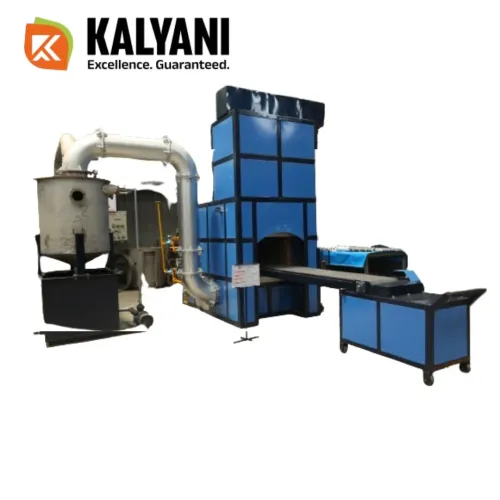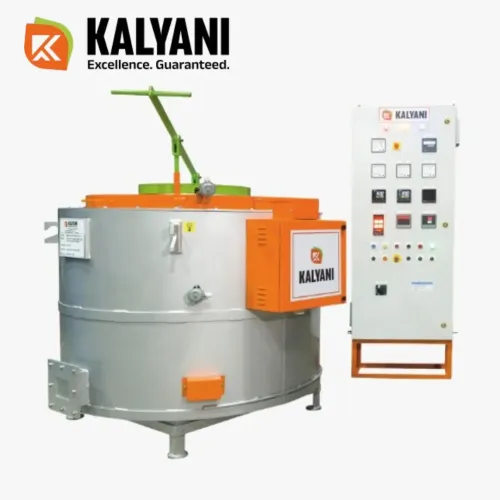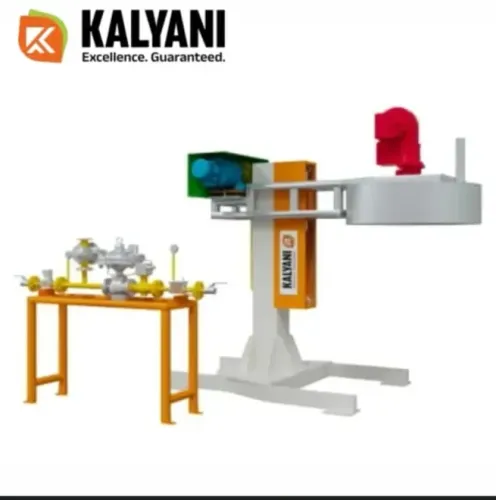

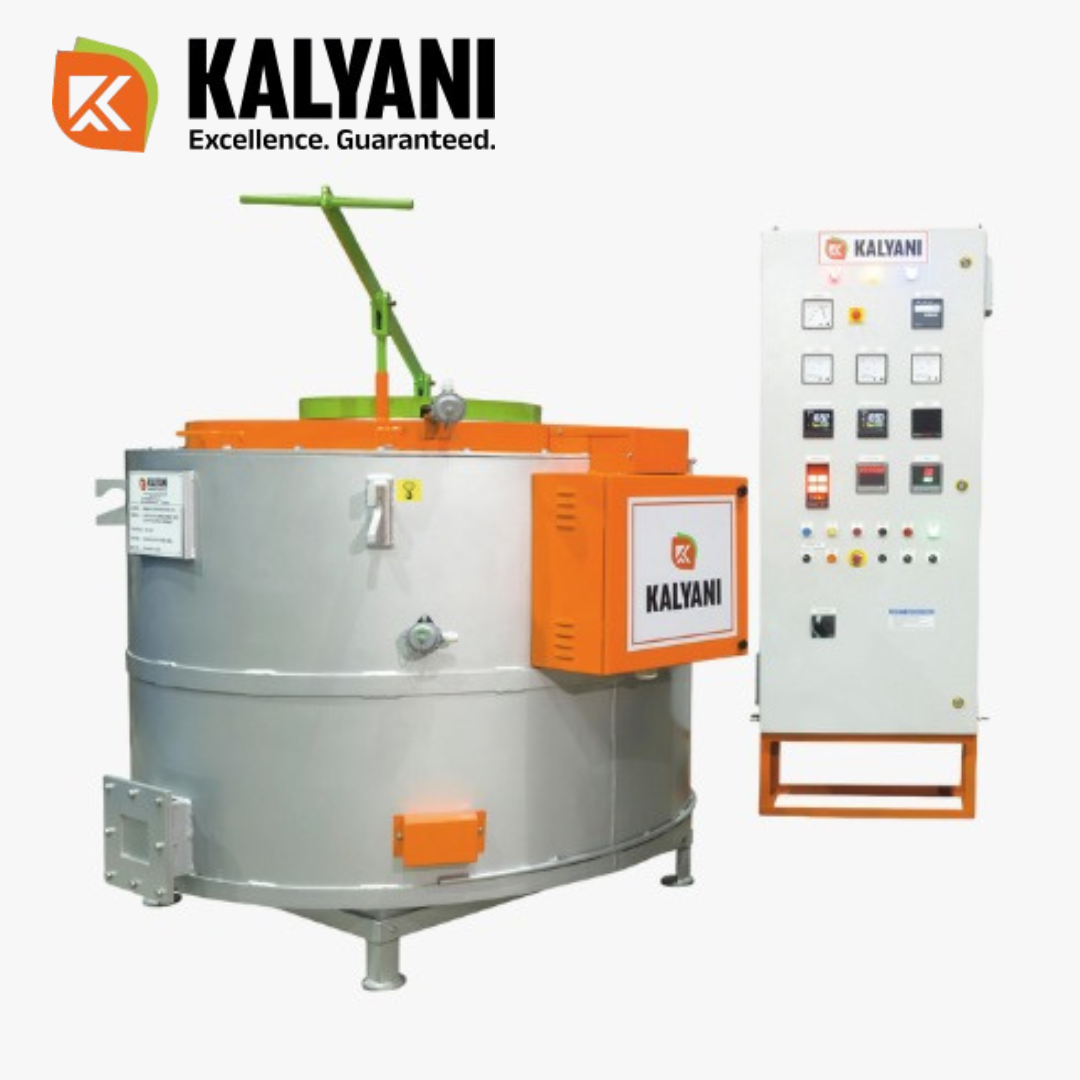
Once aluminium has been melted, maintaining it at a controlled temperature until it is required for casting becomes another important production challenge. An Aluminium Holding Furnace is specifically used for this purpose. Rather than repeatedly melting cold metal, the furnace maintains molten aluminium within the temperature range required for subsequent processing.
For casting operations in Bengaluru, stable holding conditions can contribute to smoother production, particularly where molten metal needs to remain available between melting and casting cycles. The objective is not simply to keep aluminium hot. The process should maintain usable metal temperature while controlling unnecessary heat loss, oxidation, and energy consumption.
A holding furnace differs from a melting furnace in its primary function. Melting furnaces are designed to bring solid aluminium to the molten state, often requiring relatively high heat input. Holding furnaces are intended to maintain already molten metal at a controlled temperature. This difference influences furnace design, heating requirements, insulation, controls, and operating strategy.
Temperature stability is especially important because large fluctuations can interfere with casting consistency. If the metal becomes too cool, fluidity may decrease and the casting process may be affected. If the temperature is unnecessarily high, additional oxidation and energy consumption can occur.
A suitable aluminium holding system should therefore provide:
Consistent temperature maintenance
Effective thermal insulation
Appropriate holding capacity
Reliable temperature monitoring
Convenient metal transfer or withdrawal
Practical access for cleaning and maintenance
Compatibility with the casting process
Capacity selection is equally important. A furnace that is too small may create frequent interruptions because sufficient molten metal is not available when needed. An unnecessarily large holding furnace, on the other hand, may increase thermal losses and occupy valuable production space.
Manufacturers should calculate holding requirements based on actual casting consumption, production cycle times, transfer intervals, and expected peak demand. This provides a more realistic basis for furnace selection than choosing equipment based only on nominal capacity.
The industrial environment in Bengaluru includes aluminium component manufacturers serving automotive, engineering, electrical, aerospace, machinery, and other sectors. In such facilities, reliable molten metal management can become an important part of maintaining predictable production schedules.
Good operating practices are also essential. Operators should monitor metal temperature, avoid unnecessary opening of furnace covers or doors, follow suitable cleaning procedures, and inspect refractory surfaces periodically. Even an efficiently designed furnace can consume excessive energy when operating practices allow repeated heat loss.
Another point to consider is how the holding furnace connects with upstream and downstream processes. The distance from the melting furnace, method of molten metal transfer, casting equipment layout, and required metal quantity should all be considered when planning the installation.
Kalyani Furnaces India Pvt Ltd, Bengaluru, provides industrial furnace solutions for manufacturing applications where process requirements influence equipment selection. When evaluating an Aluminium Holding Furnace, manufacturers should provide detailed information about holding capacity, operating temperatures, casting cycle, metal transfer method, available energy source, and plant layout.
A well-selected holding furnace becomes part of an integrated aluminium-processing system. For manufacturers in Bengaluru and other industrial areas of Karnataka, maintaining stable molten metal conditions can support consistent casting operations, controlled energy usage, and better coordination between melting and production stages.