
A listing for a big animal incinerator in Pune is not enough to support a purchase decision: chamber size, carcass dimensions, fuel demand, emissions performance and commissioning scope determine whether the equipment fits your site. By the end, you will have a supplier brief, a quotation checklist and a method for confirming that the proposed unit can be installed and legally operated in Pune.
Key takeaways
- Give the supplier carcass dimensions, batch mass and maximum single-load weight.
- Match gas, electric or hybrid heating to your available utilities and site limits.
- Require the furnace, afterburner, stack and pollution controls as one documented package.
- Put acceptance tests, permissions, commissioning and operating records into the purchase order.
Define the carcass and throughput before you contact a supplier
A supplier cannot size a big animal incinerator in Pune from the phrase “large animal.” Give the maximum carcass mass per batch, largest body length, width and height, loading-opening dimensions, and maximum single-load weight.
1. State whether the unit will burn whole carcasses, quartered carcasses or pre-cut material. Include moisture and fat content, because wet tissue consumes more heat and slows the cycle.
2. Give the required daily throughput in kilograms, number of loads per day, operating hours and peak demand. Ask the vendor to define whether a figure such as 200–250 kg per hour means continuous burning rate, batch capacity or a design estimate, and list its test conditions.
3. Describe the charging method: manual loading, trolley, hoist or vehicle. This determines floor reinforcement, door arrangement and chamber dimensions; a carcass dropped by lifting equipment can damage an under-specified refractory floor.
4. Request a layout showing internal chamber length, width and height, primary and secondary chamber volumes, burner locations, stack position and ash-removal access. Ask for hot-face refractory, lining thickness, backup insulation, anchor design and expected replacement zones.
5. Ask for recent commissioning references for comparable carcass size and throughput in animal-waste service. Aluminium furnaces or small medical-waste units do not prove control of animal odour, smoke and ash.
Send photographs, site access dimensions and your Pune installation location with the enquiry. This gives the vendor enough information to price the actual equipment rather than a catalogue model.
Choose gas, electric or hybrid around your site utilities
A gas big animal incinerator suits a site with reliable LPG or natural gas, adequate storage, and permission for fuel installation. It needs less electrical capacity than a fully electric unit, but burners, controls, the induced-draft fan and pumps still require a stable three-phase supply.
An electric unit removes burner fuel, yet its heaters can demand a large connected load.
| Option | Utilities to confirm | Operating pattern and trade-off |
|---|---|---|
| Gas | LPG or natural-gas pressure, tank or pipeline capacity, regulator, ventilation, and electrical supply for fans and controls | Suits regular batch work where fuel delivery is dependable; interruptions stop firing and stored fuel needs safety controls |
| Electric | Transformer rating, maximum kW, phase balance, cable size, tariff, and generator limitations | Suits sites with strong electrical infrastructure and clean, predictable batch operation; demand charges and slow recovery after a power cut affect cost |
| Hybrid | Separate gas and electrical ratings, changeover logic, and which chamber each energy source heats | Suits variable workloads or sites needing electric preheat and gas firing, but control complexity and commissioning effort increase |
Ask the vendor to state fuel consumption and connected electrical load separately for startup, normal firing and shutdown. Match the choice to your operating pattern: frequent daily batches favour dependable continuous utilities, while occasional use makes storage, standby power and restart time more important than headline chamber capacity.
Do not accept “hybrid” as a specification. Require a schematic showing burners, heaters, controls, draft equipment and the operating sequence for each energy source.
Demand a complete thermal and pollution-control package
A quotation for animal cremation equipment in Pune must describe a complete system, not just a chamber shell and a headline capacity. Specify a dual-chamber furnace with primary and secondary burners, controlled air supply, induced-draft fan, stack, temperature controls, flame-failure and door interlocks, emergency shutdown, and data logging.
A secondary chamber is part of the emissions-control design, not an optional add-on.
Require separate guaranteed values for:
- Primary-chamber temperature and secondary-chamber temperature
- Gas residence time in the secondary chamber
- Maximum single-load weight, batch capacity, and largest loading dimensions
- Complete-cycle time, including heat-up, cremation, cooling, and ash removal
- Fuel consumption, stating fuel type, calorific value, carcass mass, and ambient conditions
- Expected ash quantity and the completion standard for the remains
- Stack height, outlet size, sampling access, draft arrangement, and pollution-control equipment
The supplier must define whether “200–250 kg per hour” means continuous burning, batch capacity, or a design estimate. Ask for the exact loading, moisture and fat assumptions behind the figure; chamber volume alone proves nothing.
Put the trial conditions in the order: burner turndown, automatic temperature control, no visible smoke after warm-up, representative carcass loading, and documented cycle completion. Confirm stack and fuel-storage details against Maharashtra Pollution Control Board and local-authority permissions before fabrication.
Check the Pune catalogue row, supply scope and commissioning responsibility
A catalogue entry is not proof that the unit is available in Pune. Ask the supplier to identify the exact “Big Animal Incinerator” model in a dated quotation and confirm that the quoted price covers manufacture, transport, installation and commissioning at your site.
Request these details in writing:
- Internal primary and secondary chamber dimensions, loading-door width and height, maximum carcass dimensions, and maximum single-load weight.
- Whether the stated 200–250 kg per hour is a continuous burning rate, a batch capacity, or a design figure; require the carcass moisture, fat content, loading pattern and operating hours used for that figure.
- A complete supply boundary covering burners, combustion controls, thermocouples, control panel, secondary chamber, induced-draft fan, stack, data logging, ash-removal provisions and pollution-control documentation.
- The names and locations of recent commissioning references for comparable carcass size and throughput. Aluminium melting or small medical-waste installations do not prove suitability for animal odour, smoke and ash.
- The party responsible for civil foundations, fuel or electrical connections, lifting equipment, statutory drawings, trial runs, operator training and performance testing.
KALYANI FURNACES INDIA PVT LTD should be assessed by the same test as any animal incinerator manufacturer in Pune: a furnace shell with burners is not an integrated installation unless the quotation assigns every interface and commissioning duty.
Before signing, confirm that the supplier will support Maharashtra Pollution Control Board and local-authority requirements for Consent to Establish, Consent to Operate, stack details, fuel storage and operating records. That confirmation separates a purchasable big animal incinerator in Pune from a catalogue photograph.
Related product
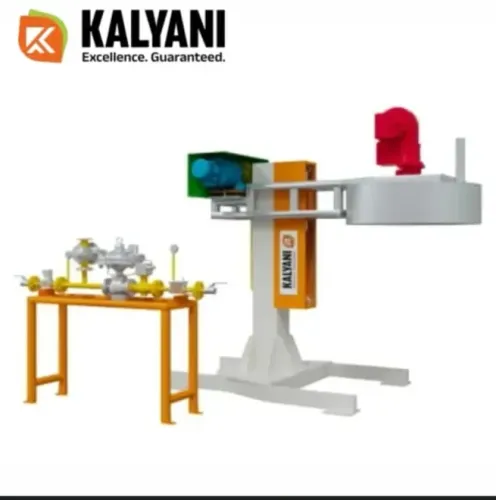
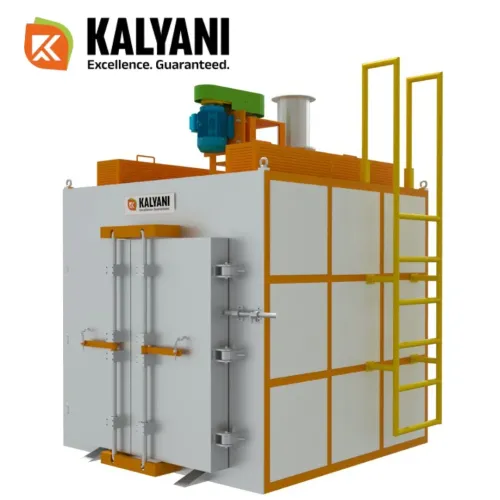
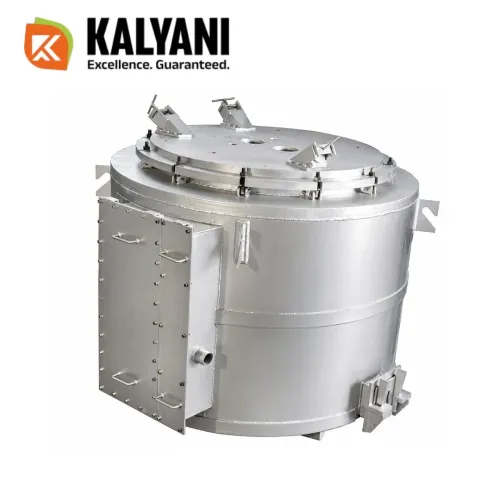
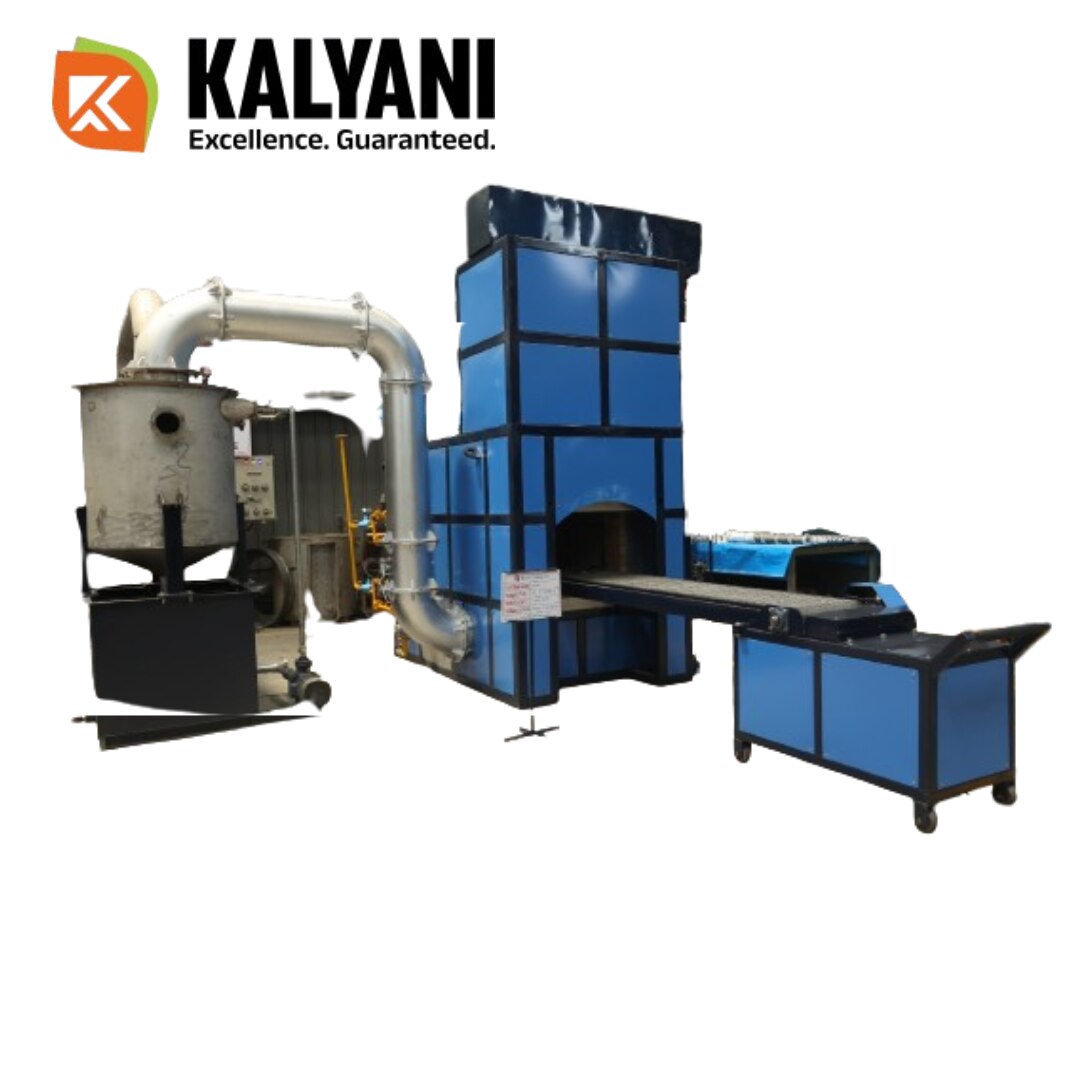
 | CREMATORIUM & INCINERATORS Big Animal Incinerator (Gas / Electric / Hybrid) Big Animal Incinerator (Gas / Electric / Hybrid) Product Overview The Big Animal Incinerator (Gas / Electric / Hybrid) is designed for efficient and... |
Make permissions, acceptance tests and operating records part of the order
Verify the Maharashtra Pollution Control Board and local authority pathway before fabrication, not after delivery. For animal cremation equipment in Pune, confirm Consent to Establish and Consent to Operate requirements, the permitted installation location, stack height and outlet details, fuel-storage rules, and any local fire or building approvals.
1. Put the approved design basis in the purchase order: maximum carcass mass and dimensions, loading opening, chamber volume, batch capacity, daily throughput, operating hours, fuel, and whole-carcass or pre-cut loading. A gas big animal incinerator sized only by chamber volume can fail to complete combustion.
2. Name the acceptance test before dispatch. Record the primary and secondary chamber temperatures, gas residence time, complete-cycle time, fuel consumption, ash quantity, draft, burner operation, interlocks, and data-logger performance against agreed values. Define the test load and pass/fail limits in writing.
3. Require the supplier to provide stack-test conditions, including oxygen percentage, dry or wet basis, normalised temperature and pressure, sampling point, test method, and emission limits. A result without these conditions cannot be compared fairly or used confidently for compliance.
4. Specify the handover file: as-built drawings, burner and control-panel manuals, calibration certificates, inspection reports, consent documents, maintenance schedule, operator training attendance, and daily operating-log forms. The log must capture load weight, start and stop times, chamber temperatures, fuel use, alarms, ash removal, and emissions-test references.
Make failed-test remedies contractual: correction, repeat testing, and responsibility for delay or rework. Do not sign final acceptance because the furnace starts; sign it when the documented performance and permissions match the order.
Frequently asked questions
What information does a supplier need to size a big animal incinerator in Pune?
Provide the maximum carcass mass per batch, largest body length, width and height, loading-opening dimensions, and maximum single-load weight.
How should you choose between gas, electric and hybrid animal cremation equipment in Pune?
Compare available gas pressure and supply, electrical connected load, backup needs, operating schedule, emissions controls and site installation constraints.
What should a complete animal incinerator package include?
Request the primary chamber, secondary combustion chamber or afterburner, burners or heating elements, refractory lining, controls, stack, and specified pollution-control equipment.
What must you confirm before ordering from an animal incinerator manufacturer in Pune?
Check the catalogue model, rated carcass capacity, supply boundaries, foundation and utility requirements, commissioning duties, acceptance tests, permissions and required operating records.