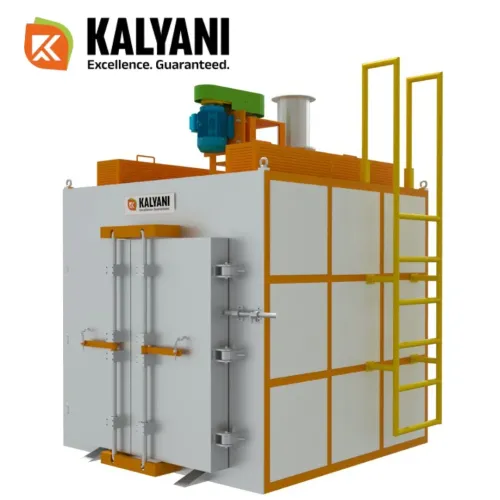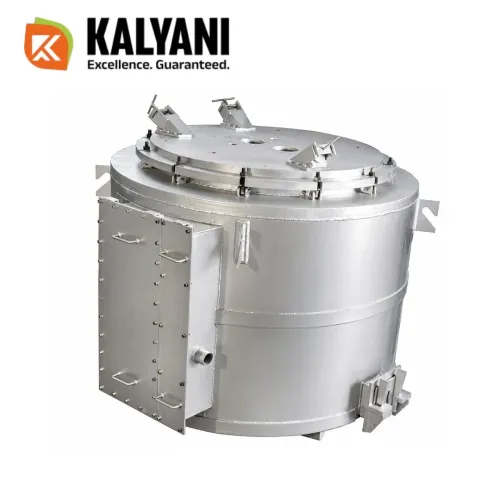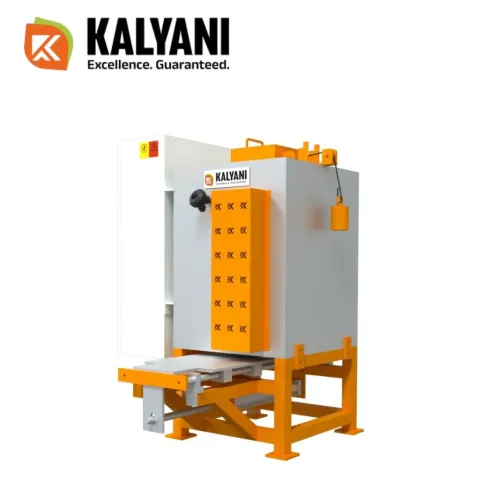

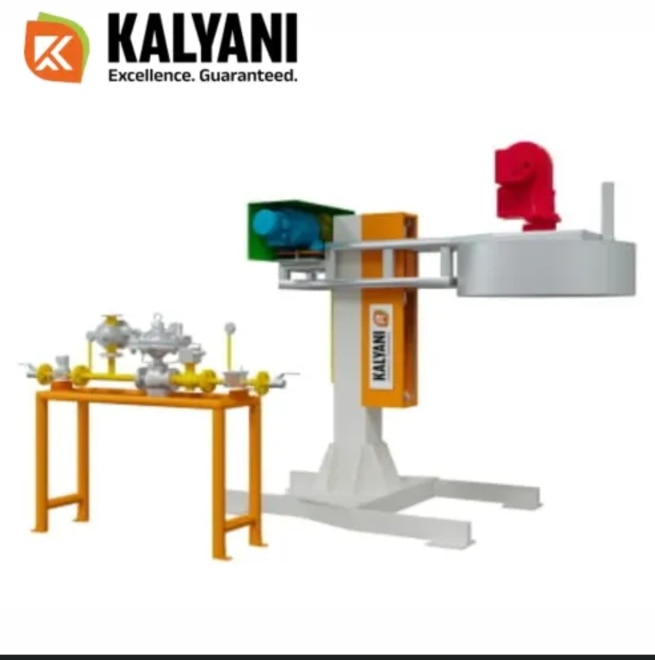
A core baking oven cures or dries chemically bonded sand cores, while a foundry ladle preheating furnace dries refractory and prepares a ladle for molten-metal contact. By separating these jobs, then comparing cycle control, safety, energy source and throughput, you can specify the equipment that fits your foundry instead of choosing by maximum temperature or installed kilowatts.
Key takeaways
- Use core baking ovens to cure binders and remove moisture from formed sand cores.
- Use ladle preheating furnaces to protect refractory linings before molten-metal transfer.
- Compare temperature uniformity, controls, fuel use, cycle time and maintenance access.
- Choose a supplier that can match furnace design to your core or ladle process.
What each furnace heats, and where it belongs in the foundry
A core baking oven heats formed and coated sand cores; a foundry ladle preheating furnace heats a ladle’s refractory lining. The oven sits between core production and mould assembly, driving off moisture or curing a chemical binder before the core enters casting.
The ladle furnace sits immediately before molten-metal filling or transfer, removing residual water, reducing thermal shock and limiting heat loss.
Core material, ladle capacity and lining mass determine the duty, while production sequence determines where each furnace belongs.
| Equipment | What it heats | Main purpose | Useful comparison |
|---|---|---|---|
| Core baking oven | Shell, hot-box, warm-box, sodium-silicate, furan or other bonded sand cores | Dry moisture or cure binder; deliver usable core strength | Cured cores per batch or hour |
| Ladle preheating furnace | Ladle refractory lining, including its full lining mass | Remove water, raise the hot face and retain molten-metal temperature | Ladle turnaround time or ladles per hour |
The systems cannot substitute for each other. Using a core oven to heat a ladle changes the process and can leave refractory moisture trapped; using a ladle preheater for cores can overheat binder or produce an unsuitable cure.
- Form and coat the core.
- Load it, run the validated cure or drying cycle, then verify and unload it for mould assembly.
- Compare capacity at the required core geometry and cure quality, not maximum temperature.
For the ladle line, inspect the shell and lining, position the ladle, stage the heat to remove moisture before raising refractory temperature, then confirm readiness before filling.
How core baking improves cure quality and core strength
Core baking ovens improve cure quality by removing moisture and completing binder reactions throughout the core, producing more consistent strength, dimensional stability and resistance to handling damage. Load shell, hot-box, warm-box, sodium-silicate, furan or no-bake cores according to the binder system; no-bake cores may need controlled drying, not the heated-box cure cycle.
Specify the validated core temperature, oven setpoint, ramp rate, dwell time, core geometry and binder loading. A burner-outlet reading proves little: use meaningful air circulation and request a temperature-uniformity survey with mapped air and product thermocouples or data logging. The coldest core location must reach the required cure condition.
- Load the defined batch and establish airflow.
- Ramp at the specified rate.
- Hold until the recipe is complete.
- Verify cure and unload.
Excessive heat or residence time can degrade organic binder, create smoke and odour, embrittle or crack cores, and damage casting surface quality. Maximum setpoint is not a cure specification.
| Oven format | Capacity measure | Throughput measure |
|---|---|---|
| Batch | Cores per batch | Cured cores per batch or hour |
| Chamber | Rack or chamber load | Cured cores per hour |
| Continuous | Cores on the conveyor | Cured cores per hour |
Compare each format at the required cure quality, not installed power alone. A cold centre, poorly circulated chamber or overloaded rack can leave a core weak even when the displayed air temperature looks correct.
How ladle preheating protects refractory and molten-metal quality
A wet or mechanically damaged ladle can turn preheating into a false sense of security. The ladle preheating furnace benefits only appear when the vessel is sound, contamination-free and heated in stages: moisture removal first, followed by controlled heating of the refractory hot face to the target temperature.
1. Inspect the lining for wear, cracks and recent repairs. Check the shell for distortion, then examine the taphole and slide-gate parts for blockage or damage. Remove metal, slag, oil and other contamination before positioning the sound ladle in the foundry ladle preheating furnace.
2. Start with a low, controlled dry-out phase that drives out residual and physically held water. Applying high heat too quickly to a wet or recently repaired lining can generate steam pressure, spalling and a molten-metal explosion hazard.
3. Raise the refractory hot face to the specified preheat temperature only after the dry-out stage is complete. This reduces thermal shock, limits heat loss and helps the ladle retain molten-metal temperature during filling or transfer.
4. For aluminium, confirm that the ladle and attachments contain no residual water. A cold ladle accelerates heat loss and can shorten the available filling or transfer window.
5. Confirm readiness with hot-face thermocouples, infrared checks or another qualified pyrometric method. Account for emissivity, flame, scale and viewing angle; one non-contact reading can mislead.
Specify ladle size, refractory system, lining condition, target hot-face temperature and turnaround time. A furnace sized only for the empty shell can be undersized once refractory mass and the dry-out curve are included.
How to compare heating methods, controls and operating costs
Choose the heating method against the controlled result: cured cores per hour or ladles reaching the specified hot-face temperature, not maximum temperature or installed kW alone.
| Option | Main advantage | Main limitation and cost question |
|---|---|---|
| Electric resistance | Clean process air and precise temperature control | High connected electrical capacity; slow response when heating heavy ladle linings |
| Direct-fired gas | High heat flux and short ladle cycles | Prevent flame impingement, hot spots, local overheating and incomplete combustion |
| Indirect gas | Less direct flame contact with the ladle; useful for contamination-sensitive work | Heat-transfer losses and longer cycles; check fuel use and exhaust load |
For core ovens, compare air circulation, mapped temperature uniformity, ventilation and binder-emission handling. For ladle preheaters, compare burner reach, refractory heating, combustion-air management and the energy required per ladle turnaround.
Specify exhaust flow, make-up air, interlocks and discharge treatment with the equipment. Core binders can release vapours, smoke and dust; fuel-fired systems add combustion products and particulate. Poor make-up air can reduce burner performance or pull emissions into the work area.
Every gas installation needs these safety functions:
- Gas train with automatic fuel shutoff valves
- Purge sequence before ignition
- Flame supervision
- Combustion-air proving
- High-temperature limit
- Fuel shutoff interlocks on flame, airflow or limit failure
Use NFPA 86 as a design benchmark, then verify Indian statutory requirements and the local authority having jurisdiction. Measure the controlled object: use mapped air and product thermocouples for cores, and hot-face thermocouples or qualified infrared checks for ladles. An infrared reading can be distorted by emissivity, flame, scale or viewing angle.
How to choose the right equipment and supplier for your process
Specify the process before requesting a quotation. Give every supplier the core type and binder, largest core, batch load, cure recipe, ladle shell size, refractory mass, target hot-face temperature, dry-out curve, cycle time, fuel or electrical utility, and exhaust conditions.
| Machine | Required output metric | Evidence to compare |
|---|---|---|
| Core baking oven | Cured cores per hour at validated cure quality | Uniformity survey and product-temperature data |
| Ladle preheater | Ladles per hour at the specified lining temperature | Hot-face readings and repeatable turnaround time |
Ask each supplier for:
- The temperature-uniformity survey method, product-temperature validation, control-panel sequence, alarm list, energy estimate, and maintenance schedule.
- Exhaust flow, make-up air, interlocks, and discharge treatment suited to binder vapours, smoke, dust, combustion gases, or refractory particulate.
- Commissioning support, burner-train and control-panel spares, calibration assistance, refractory-dry-out guidance, response time, and compliance documentation.
Do not let installed kW or burner rating decide the purchase. A large burner can mask poor heat distribution, while an oven with lower connected power can deliver more acceptable cores per hour.
When assessing foundry equipment in Pune, KALYANI FURNACES INDIA PVT LTD or another supplier, verify those capabilities in writing rather than treating local proximity as proof of support.
Choose a core oven for validated cure quality and a ladle preheater for safe, repeatable refractory readiness; a higher setpoint does not make either machine suitable for the other.
Related product
Frequently asked questions
What does a core baking oven heat?
A core baking oven heats formed and coated sand cores between core production and mould assembly. It removes moisture or cures the chemical binder, improving core strength and dimensional stability.
What does a foundry ladle preheating furnace heat?
A foundry ladle preheating furnace heats the ladle’s refractory lining before molten metal enters. Preheating reduces thermal shock, limits moisture-related defects and supports cleaner metal handling.
How do core baking ovens improve core quality?
Controlled heat drives off moisture and cures the binder through the core, producing more consistent strength than uneven or improvised heating.
What are the main ladle preheating furnace benefits?
Key benefits include lower refractory thermal shock, reduced spalling risk, better ladle service life and more stable molten-metal transfer conditions.
How should you compare these foundry equipment choices?
Compare the heating load, temperature uniformity, cycle time, control system, fuel or electricity consumption, insulation, maintenance access and safety features against your process requirements.
Related product
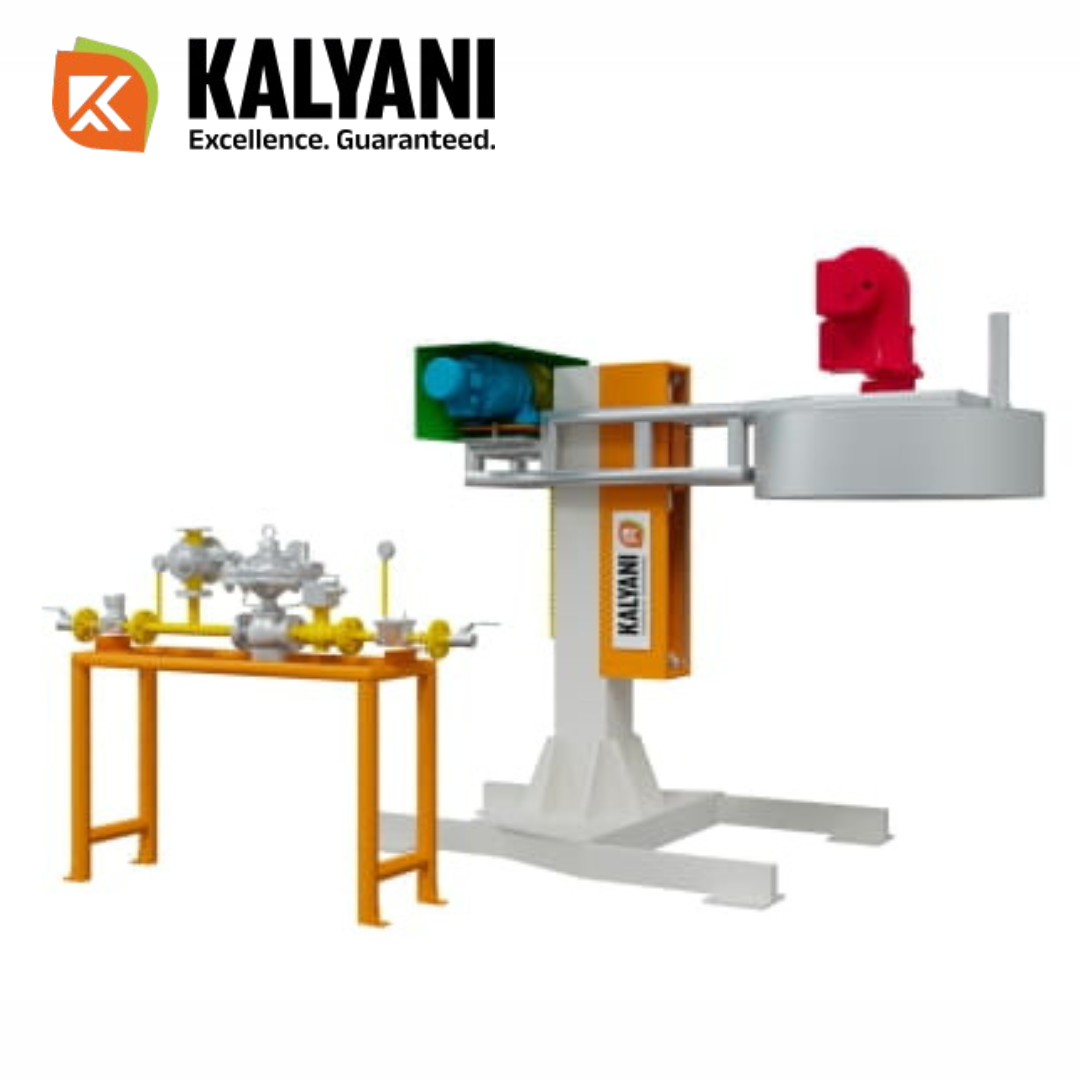 | Foundry Equipment Foundry Ladle Preheating Furnace Product Overview Kalyani Furnaces India Pvt. Ltd. is a leading Foundry Ladle Preheating Furnace manufacturer based in Pune, India, established in... |