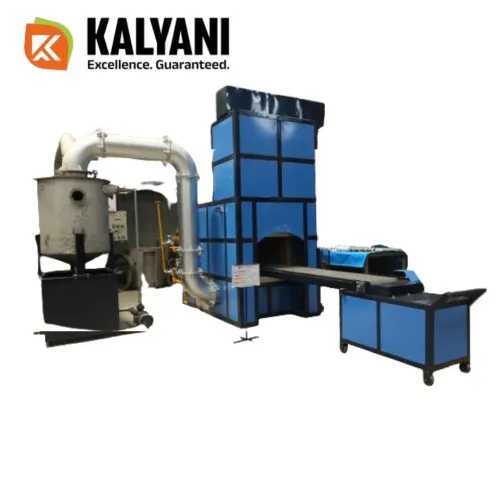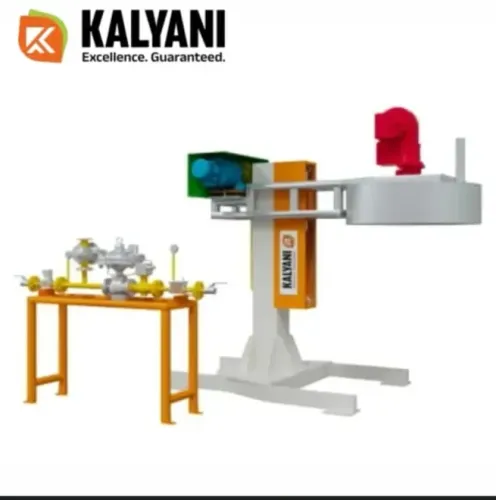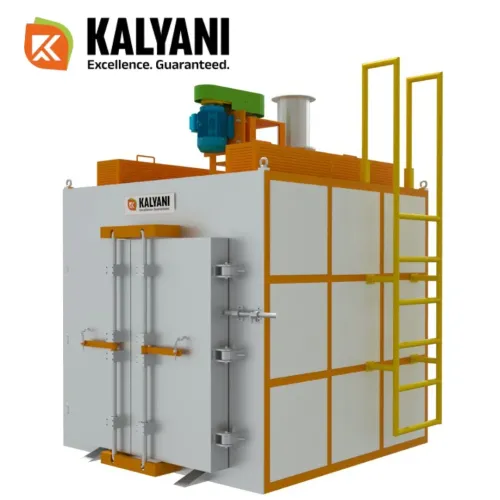

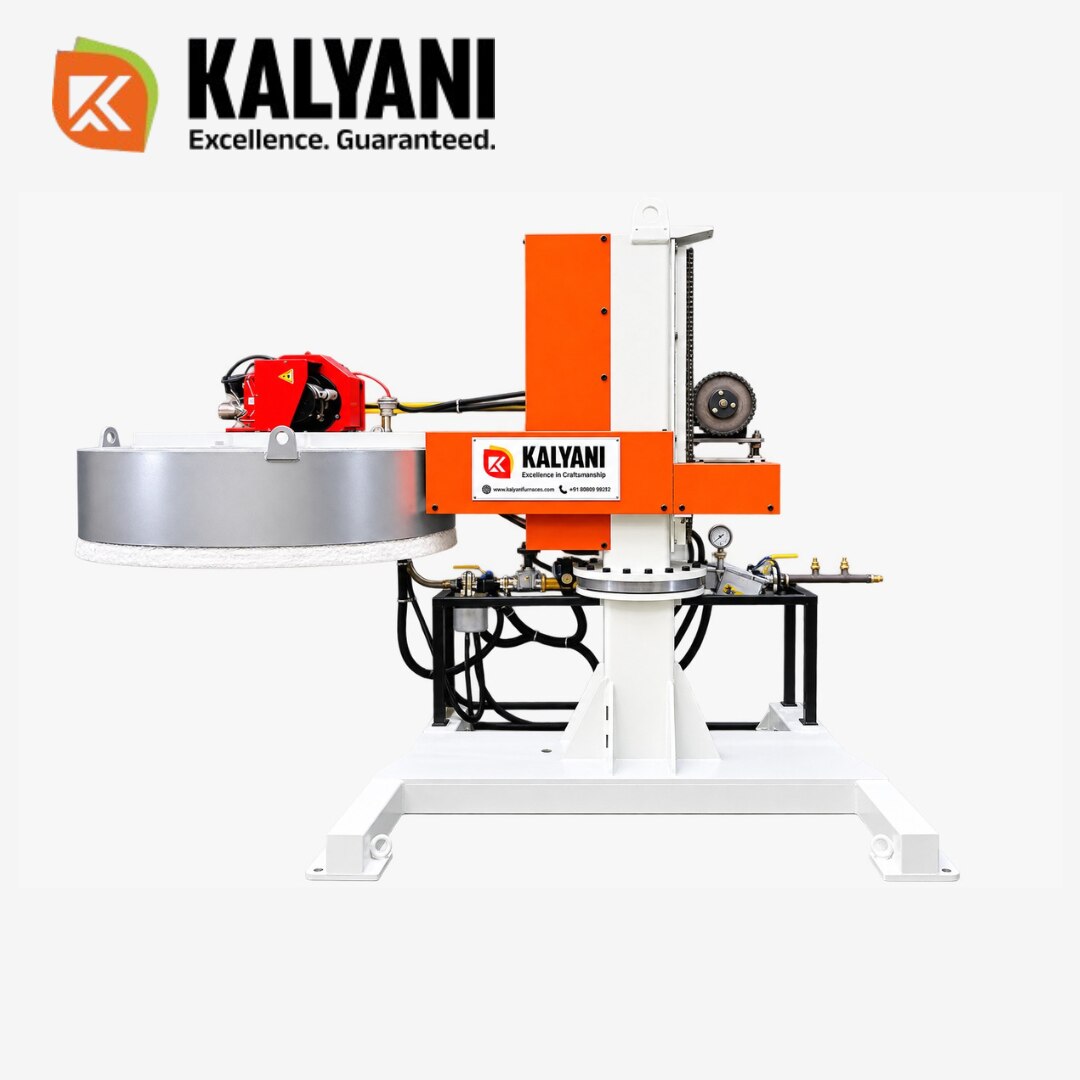
A ladle preheating furnace dries and heats an empty ladle before molten aluminium enters it. By the end, you will know which hazards it controls, how operators verify readiness, and which heating arrangement fits your ladle, lining, utilities, and production cycle.
Key takeaways
- Dry every ladle before charging it with molten aluminium.
- Heat the refractory lining evenly to prevent thermal shock and cracking.
- Confirm dryness with temperature checks, inspection, and a documented heating cycle.
- Specify ladle size, lining, fuel, controls, and required heating time.
What job does a ladle preheating furnace perform?
An aluminium foundry ladle preheating furnace heats and dries an empty ladle before it receives molten aluminium. It removes absorbed moisture from the steel shell, refractory lining, coating, and repair material, so trapped water does not flash into steam and eject metal.
The controlled cycle reduces steam generation, refractory spalling, metal splash, thermal shock, initial heat loss, and contamination risk from damp material or loose lining particles. It also brings the refractory to a suitable working temperature, helping the ladle retain pouring temperature during transfer.
A universal temperature is unsafe; the lining supplier’s ramp and soak procedure governs the cycle.
- Inspect the empty ladle and identify its shell, lining, coating, and repair condition.
- Place it in the preheater with clearance around the bowl and spout.
- Apply the prescribed heating ramp rather than aggressive heat that can crack refractory, damage coating, or leave wet zones.
- Verify the lining temperature and complete the required soak before lifting the ladle for filling.
The unit heats no aluminium. An aluminium melting furnace supplies molten metal, while a holding furnace maintains metal temperature after melting. In aluminium foundry furnace uses in pune, this distinction matters: a preheater supports melt handling but cannot correct wet charge, hydrogen pickup, turbulent filling, or poor skimming.
Ladle capacity alone cannot size the heater. Account for shell mass, lining mass, moisture load, and required turnaround time; otherwise a nominally suitable furnace may heat slowly or fail to dry the ladle.
How is a ladle safely preheated before receiving aluminium?
A safe foundry ladle preheating furnace application begins with rejecting moisture and damage before heating starts. External warmth does not prove that water has left the lining or a repair patch; residual moisture can flash to steam when aluminium enters.
1. Inspect the shell, handles, trunnions, spout, cover, lining, coating, and repair patches. Reject the ladle if you find cracks, loose refractory, standing water, or evidence of rain exposure.
2. Position the empty ladle with clearance around the bowl and spout. Keep the chamber circulation path open; blocked airflow creates cold areas and uneven drying.
3. Start the burner or electrical elements using the prescribed ramp for that lining. Do not apply full heat immediately to a cold or recently repaired ladle.
4. Check that air circulation, exhaust, and burner airflow are not blocked. Fuel-fired units also require confirmed flame supervision and combustion interlocks.
5. Complete the lining supplier’s dry-out or preheat cycle, including every staged ramp and soak period. A patch repair needs its own specified drying procedure.
6. Verify the interior temperature with the approved instrument at the required location, not only by touching or viewing the outer shell.
7. Record the cycle, temperatures, and soak time. Reject the ladle after rain, wash water, condensation, or incomplete dry-out.
8. Remove it only with the rated ladle crane, hoist, hooks, or lifting beam designed for its handles or trunnions.
Aggressive heat-up saves time but increases refractory cracking, uneven drying, coating damage, and lining wear. Follow the slower recipe when the lining supplier requires it.
How do you know the ladle is dry and hot enough for service?
A hot furnace chamber does not prove a hot, dry ladle. The useful measurement is at the refractory or ladle interior, because chamber air can reach its setpoint while moisture remains behind a cooler lining surface.
| Method | What it tells you | Main limitation |
|---|---|---|
| Contact thermocouple | Measures temperature at the refractory surface or selected interior point | Contact position can miss colder areas |
| Calibrated infrared pyrometer | Reads the visible lining surface without touching it | Low or changing emissivity, reflective metal, scale, soot, or a cooler interior can mislead |
| Installed temperature controller | Controls the programmed furnace temperature | Its sensor may measure chamber air, not ladle temperature |
| Time-and-temperature record | Shows the completed ramp, setpoint, and soak duration | It does not replace a verified ladle-temperature check |
For infrared checks, follow the pyrometer’s specified distance, viewing angle, and emissivity setting. Do not treat a shiny or sooted surface as a reliable reading without correction.
Use one recipe for an already-dry ladle and another for a new lining or repair patch. Set staged ramp rates and soak periods from the refractory supplier’s dry-out procedure, not one universal temperature; low-hundreds-of-degrees Celsius may suit an already-dry ladle, while repairs need longer, staged drying.
This discipline matters across aluminium foundry furnace uses in Pune.
Reject the ladle and repeat dry-out after:
- Rain, wash water, or condensation exposure
- An incomplete repair cycle or missing temperature record
- A surface reading that conflicts with the programmed cycle or contact check
Which heating arrangement suits the ladle and lining?
Fuel availability, electrical capacity, ladle dimensions, and contamination risk determine the suitable heating arrangement. A direct flame gives a high heat-release rate for large ladles, but flame contact can create hot spots between the bowl and spout, damage refractory or coatings, and dry the lining unevenly.
| Option | Strengths | Checks and trade-offs |
|---|---|---|
| Gas-fired direct | Fast heat-up, suitable for large ladles, potentially lower operating cost where fuel is available | Requires burner supervision, combustion-air control, exhaust ventilation, flame-failure protection, and safeguards against flame impingement; maintenance includes burners, valves, sensors, and refractory |
| Electric-resistance | No combustion products or flame contact; good for contamination control and controlled lining heating | Check voltage, phase, connected load, element protection, heat-up time, element replacement, and circulation around the ladle; high demand can raise operating cost |
| Indirect heating | Separates flame or hot gases from the ladle and supports cleaner, more uniform heating | Heat-up can be slower; verify chamber circulation, heat-transfer surfaces, exhaust path, maintenance access, and holding power |
The chamber must fit the maximum ladle envelope without blocking circulation around the shell, bowl, or spout. Too little clearance creates cold zones; excessive volume lengthens warm-up and wastes energy.
For any foundry ladle preheating furnace application, request these figures before comparing quotations:
- Usable chamber dimensions and maximum ladle envelope
- Heating-zone layout and temperature-uniformity data
- Heat-up time for the actual shell and lining mass
- Steady-state holding power
- Element protection or burner access provisions
Do not select from nameplate ladle capacity alone. Include lining mass, moisture load, turnaround time, and the available fuel or electrical supply.
What should a Pune foundry specify before selecting ladle preheating equipment?
Monsoon humidity changes the purchase decision. Specify covered storage, a drained floor, protection from outdoor or semi-outdoor exposure, and a repeat-drying control for ladles exposed to rain, wash water, or condensation.
An aluminium foundry ladle preheating furnace for uses in Pune must match your lining system, ladle size, moisture load, and turnaround target—not just ladle capacity.
- Record the electrical supply: voltage, phase, connected load, and the control-panel environment, including heat, dust, wash-down exposure, and rain protection.
- For a fuel-fired unit, state the fuel type, supply pressure, required burner turndown, exhaust route, combustion-air arrangement, and combustion interlocks.
- Require programmable ramp-and-soak cycles, over-temperature protection, and a door or loading interlock.
- Require loss-of-air and loss-of-flame protection on fuel-fired equipment, plus temperature records that identify each ladle’s drying cycle.
- State the number of ladles per hour and the required heat-up time; aggressive ramping increases throughput but raises refractory-cracking, coating-damage, and uneven-dry-out risks.
KALYANI FURNACES INDIA PVT LTD can help translate these site inputs into a Pune installation specification instead of treating a standard furnace as suitable for every ladle. Review ventilation and maintenance access before selecting electric or fuel-fired heating.
Preheating supports melt-handling control, but it cannot correct wet charge material, hydrogen pickup, turbulent filling, poor skimming, or excessive ladle residence time.
Related product
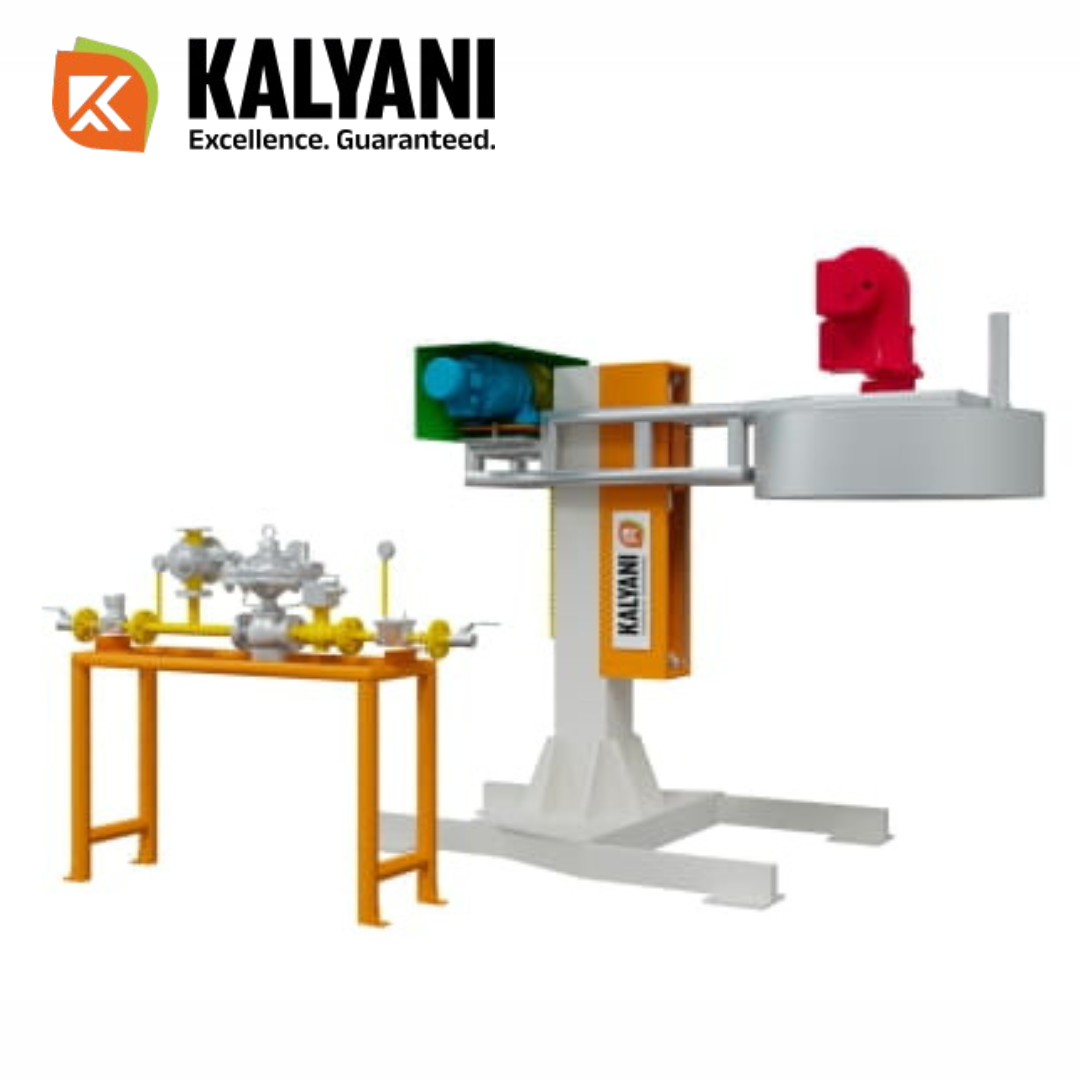 | Foundry Equipment Foundry Ladle Preheating Furnace Product Overview Kalyani Furnaces India Pvt. Ltd. is a leading Foundry Ladle Preheating Furnace manufacturer based in Pune, India, established in... |
Frequently asked questions
What job does an aluminium foundry ladle preheating furnace perform?
It heats and dries an empty ladle before molten aluminium enters it, removing moisture from the shell, refractory lining, coating, and repair material. This reduces the risk of water flashing into steam and ejecting molten metal.
How is a ladle safely preheated before receiving aluminium?
Inspect the ladle for cracks, loose refractory, damaged coating, and standing water first. Place it securely in the furnace, use a controlled heating cycle, and prevent personnel from standing in the line of a possible splash until the ladle is dry and ready.
How do you know the ladle is dry and hot enough for service?
Use the furnace temperature display or a calibrated handheld pyrometer to verify the specified lining temperature, then inspect for steam, condensation, damp patches, and refractory damage. Record the heating cycle and release the ladle only after the foundry's operating limit is met.
Which heating arrangement suits the ladle and lining?
Choose burners or electric elements based on ladle size, lining material, target temperature, available fuel or electrical capacity, and the required heating time. Even heat distribution matters more than peak temperature because local overheating can crack refractory.
What should a Pune foundry specify before selecting ladle preheating equipment?
Provide the ladle shell dimensions, empty and loaded mass, lining thickness and material, target temperature, heating time, fuel or power supply, operating hours, temperature-control method, and available installation space.