
A ladle preheater must remove moisture, limit thermal shock, and deliver a verified lining temperature without creating hot spots, contamination, or unsafe combustion conditions. By the end, you will be able to set the temperature and uniformity specification, estimate the heat load, compare fuel-fired and electric designs, and define acceptance tests for a Delhi foundry.
Key takeaways
- Set the aluminium ladle lining target between 200 and 500 °C.
- Measure lining temperature with a calibrated thermocouple, not burner outlet temperature.
- Specify heat-up time, recovery time, and temperature uniformity across the lining.
- Check Delhi power, fuel, ventilation, and commissioning requirements before selecting equipment.
Set the Ladle Temperature and Refractory-Condition Requirements First
Set the lining temperature before comparing foundry ladle preheating equipment. For aluminium ladles, specify a controlled lining-wall target commonly within 200–500 °C; the correct point depends on refractory type, ladle size, alloy, and whether you need moisture removal, thermal-shock reduction, or melt-temperature retention.
Obtain the refractory supplier’s drying and preheating schedule rather than choosing one universal setpoint.
| Stage | Temperature requirement | Release condition |
|---|---|---|
| Drying | Supplier-defined low-temperature ramp; remove free and absorbed moisture | No trapped water; lining-temperature or moisture check completed |
| Curing or baking | Supplier-defined ramp and soak for the binder system | Required soak reached without cracks, spalling, or steam release |
| Production preheating | 200–500 °C for many aluminium applications, with a written tolerance across the lining | Actual wall temperature meets the target and variation limit |
| Hot-ladle holding | A separate maintenance setpoint below or near the production target | Heat loss and holding time match the pouring plan |
Write the industrial furnace requirements as measurable values: target temperature, allowable variation, ramp rate, soak time, maximum cycle time, energy use, and acceptable lining condition after repeated cycles. “Uniform heating” is not testable without a numerical tolerance.
Use these release controls before molten-metal contact:
- Inspect the shell, lining, drain openings, and foreign material.
- Reject a ladle with unknown lining condition, standing water, or trapped moisture.
- Treat a repaired or relined ladle as a drying cycle, not ordinary preheating; rapid heating can create steam pressure, cracking, spalling, and ejected fragments.
- Interlock heating or document a procedure that prevents operation until inspection is complete.
Use a Controlled Preheating Sequence and Verify the Actual Lining Temperature
A timer is not a temperature control. Firing for 40 minutes can leave a cold, wet hot face or create a shell-side hot spot, because shell, lining, and exhaust temperatures do not rise together.
Use this controlled sequence:
- Inspect the ladle before heating. Confirm the lining schedule, drain openings, shell condition, cracks, loose refractory, standing water, trapped moisture, and foreign material. An interlock or written hold point must prevent firing an unapproved ladle.
- Dry and cure the lining at the refractory supplier’s specified ramp rate. Removing moisture too quickly can generate steam pressure, spalling, or hidden cracking.
- Increase temperature in defined stages, using controlled burner firing rather than direct flame impingement. Set the burner angle, flame length, firing rate, and circulation to avoid local hot spots, shell distortion, and burner-tile damage.
- Hold the specified soak temperature for the specified time. Record the actual lining or hot-face reading, not only shell or exhaust temperature.
- Measure with a calibrated thermocouple, infrared pyrometer, or documented thermal-imaging procedure at identified locations. Check multiple zones when uniformity matters; “uniform” is meaningless without an allowable variation.
- Release the ladle only when the approved temperature, soak, moisture, inspection, and temperature-variation limits are recorded. A failed reading requires continued heating or maintenance review, not molten-metal contact.
Record these ladle preheating system details in the operating sheet: ramp rate, soak time, maximum cycle time, fuel or power use, measurement points, and safety trips. Fuel-fired equipment also needs purge, proven ignition, flame-failure shutoff, high-temperature protection, fuel-pressure monitoring, emergency stop, and locked restart after a trip.
Calculate Heat Load, Capacity, Recovery Time, and Uniformity
Size the heater from refractory mass and the required cycle, not ladle capacity alone. Calculate useful heat as refractory mass × specific heat × temperature rise, then add steel-shell heating, evaporation of residual water, radiation, convection, and exhaust losses. Divide the total by burner or electrical efficiency to obtain the required input capacity in kW.
Collect these ladle preheating system details for each ladle size:
- Refractory and shell mass, lining material, starting temperature, moisture condition, and target wall temperature
- Maximum ramp rate, soak time, loading and unloading time, and allowable total cycle time
- Number of ladles required per hour, including peak production and recovery between cycles
- Required fuel or power consumption and available furnace opening, height, and handling clearance
Recovery time is the time to return a used ladle to its release temperature. Check that the calculated heat rate covers the required temperature rise within that time after subtracting steady losses; otherwise production volume will exceed furnace capacity. A larger ladle can also need a longer soak even when its metal capacity appears adequate.
Specify uniformity as a measured tolerance, such as ±10 °C at defined hot-face or shell locations, rather than “uniform heating.” Map temperatures with thermocouples, a calibrated infrared pyrometer, or an approved thermal-imaging method at the rim, sidewall, bottom, and opposite burner side. These industrial furnace requirements make commissioning testable. A no-load temperature display proves little.
Compare Furnace Options Against Delhi Site Utilities and Foundry Conditions
Fuel availability and sanctioned electrical load decide which industrial furnace options in Delhi are practical, not just the required ladle temperature. Check natural-gas or LPG pressure, supply reliability, transformer capacity, ventilation, chimney routing, dust exposure, and the site’s air-emission approvals before selecting foundry ladle preheating equipment.
| Option | Site fit | Main constraint |
|---|---|---|
| Direct-fired | Gas or LPG is available; large ladles need rapid recovery | Requires burner-management controls, purge, flame supervision, fuel-pressure trips, exhaust, and emissions approval |
| Indirect-fired | You need separation between flame and refractory, or cleaner ladle heating | Lower heat transfer and added shell, insulation, and maintenance cost |
| Electric resistance | Gas connection or chimney approval is difficult; clean, controllable heating matters | Confirm sanctioned load, transformer margin, element protection, and replacement access |
| Immersion | Only for a purpose-designed protected heater arrangement | A bare element exposed to refractory dust, impact, or moisture is a failure and shock hazard |
| Portable | Ladles move between work areas or production volume changes | Expect lower uniformity, cable or hose management, and repeated setup checks |
Do not call electric resistance more efficient without comparing delivered site energy: include generation, transformer, insulation, exhaust, and cycle-utilisation losses. Recuperated gas combustion can reduce fuel use, while electric heating avoids combustion products at the ladle.
For fuel-fired units, specify emergency stop, high-temperature limit, fuel-pressure monitoring, flame-failure shutoff, and lockout after a safety trip. Coordinate hood, flue, make-up air, and stack routing so poor draft does not expose operators to carbon monoxide or pull cold air across the lining.
KALYANI FURNACES INDIA PVT LTD can be asked to document this utility and interlock fit rather than offering a generic furnace selection.
Related product
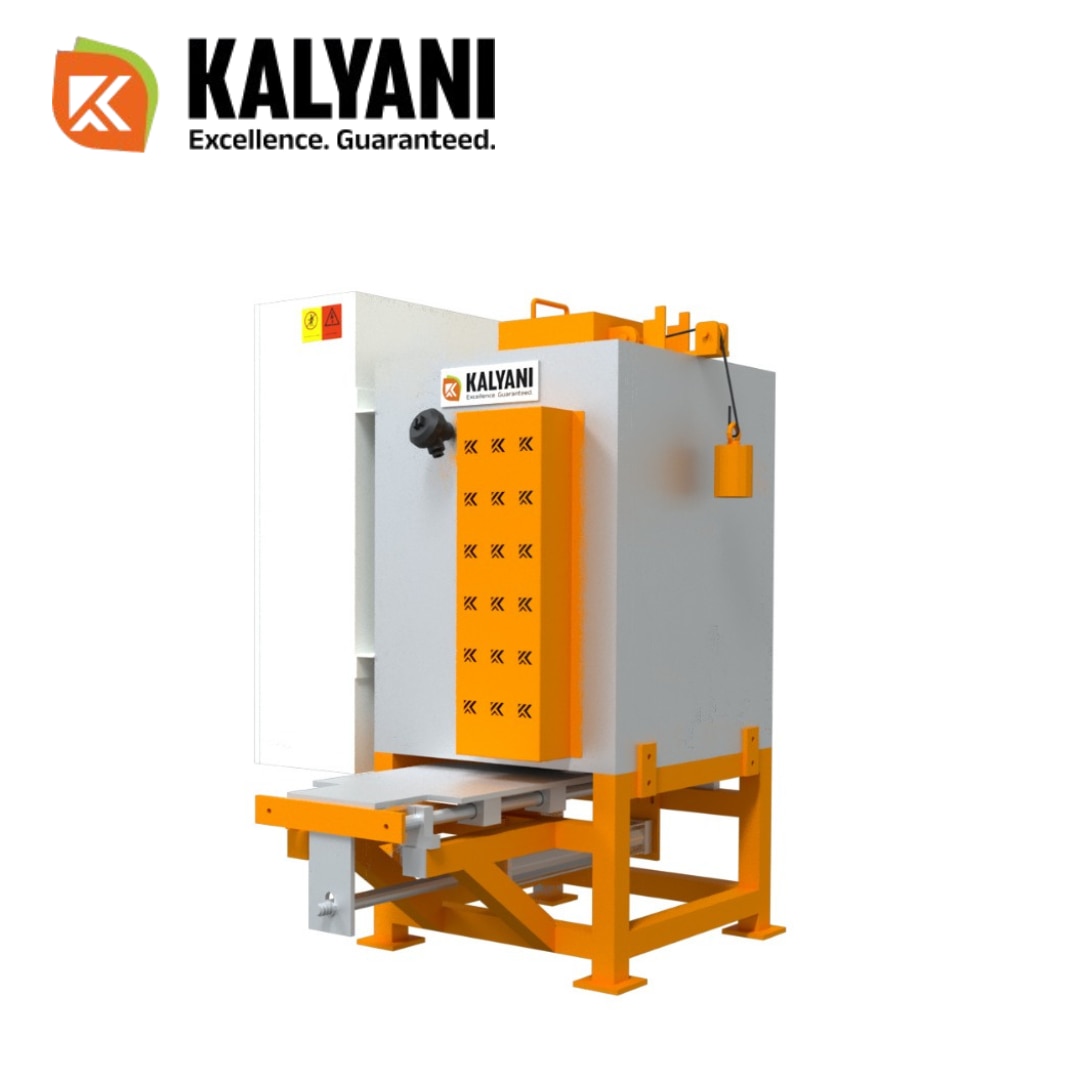
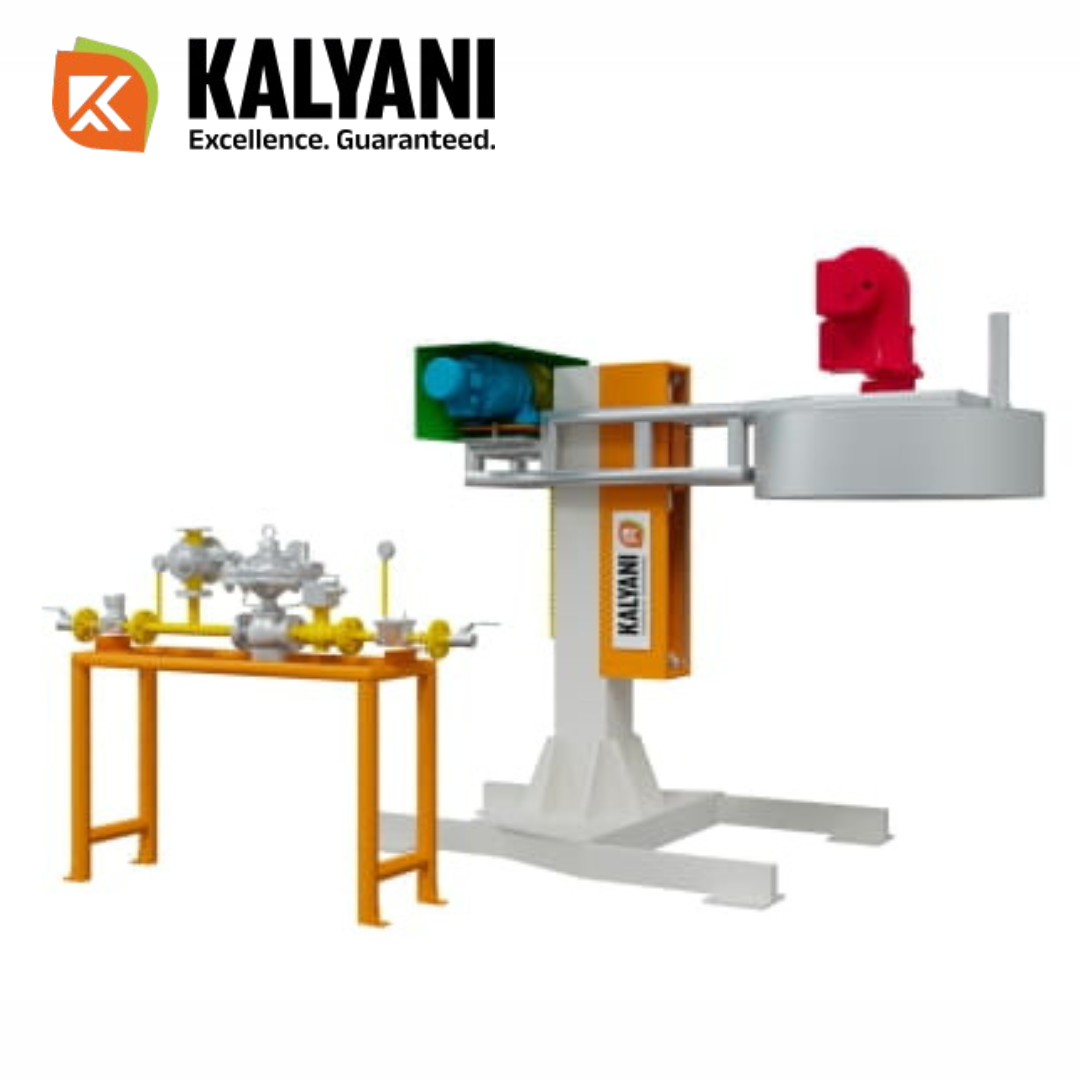 | Foundry Equipment Foundry Ladle Preheating Furnace Product Overview Kalyani Furnaces India Pvt. Ltd. is a leading Foundry Ladle Preheating Furnace manufacturer based in Pune, India, established in... |
Write the Purchase Specification Around Safety and Commissioning Evidence
A supplier must prove production performance with the intended ladle, refractory condition, fuel or power supply, and exhaust arrangement. An empty-furnace demonstration proves almost nothing. Your industrial furnace requirements must state target lining temperature, allowable variation, ramp rate, soak time, maximum cycle time, consumption, and acceptable refractory condition after repeated cycles.
Include this commissioning procedure in the purchase specification:
1. Load a representative ladle and record warm-up time, temperature at defined wall and bottom locations, steady-state variation, and the complete cycle duration.
2. Verify the lining after repeated cycles for cracking, spalling, moisture, distortion, or uneven heating. Record photographs and inspection findings.
3. Demonstrate pre-ignition purge, proven ignition, flame-failure fuel shutoff, high-temperature limit, fuel-pressure monitoring, emergency stop, alarm annunciation, and locked-out restart until an operator acknowledges the fault.
4. Measure exhaust behaviour, carbon monoxide exposure, draft, make-up air, and visible recirculation with the hood, flue, and ventilation operating as installed.
5. Record gas pressure and consumption or electrical load, then match the results against the agreed acceptance values.
Reject “uniform heating” without a numerical tolerance and reject no-load evidence. Compare industrial furnace options in Delhi against sanctioned electrical load, transformer capacity, gas or LPG availability, chimney routing, dust, and emissions approvals. Retain signed test sheets, calibration certificates, control drawings, alarm tests, and ladle preheating system details in the handover file.
Frequently asked questions
What lining temperature should you specify for aluminium ladle preheating?
Set a controlled lining-wall target commonly within 200–500 °C. Choose the exact target from the refractory type, ladle size, alloy, and whether the process removes moisture, reduces thermal shock, or retains melt temperature.
How do you verify the actual ladle lining temperature?
Use a calibrated contact thermocouple or suitable infrared measurement at defined points on the lining. Do not use burner outlet temperature as a substitute for the refractory temperature.
What capacity details belong in a ladle preheating specification?
State ladle capacity, empty and loaded mass, refractory thickness, starting temperature, target temperature, heat-up time, recovery time, fuel or electrical input, and permitted temperature variation across the lining.
Which Delhi site conditions affect industrial furnace options?
Check the available electrical load, fuel supply and pressure, ventilation, exhaust routing, floor space, crane access, ambient conditions, and local installation constraints before comparing equipment.
What safety and commissioning evidence should you request?
Request burner-management or electrical-control documentation, emergency shutoff details, guarding, exhaust provisions, calibration records, operating instructions, and commissioning results showing heat-up time and temperature uniformity.