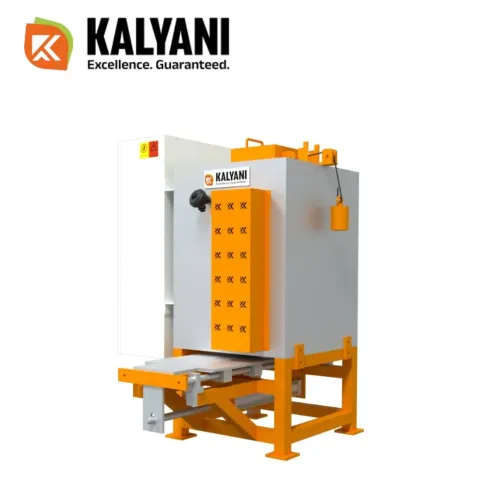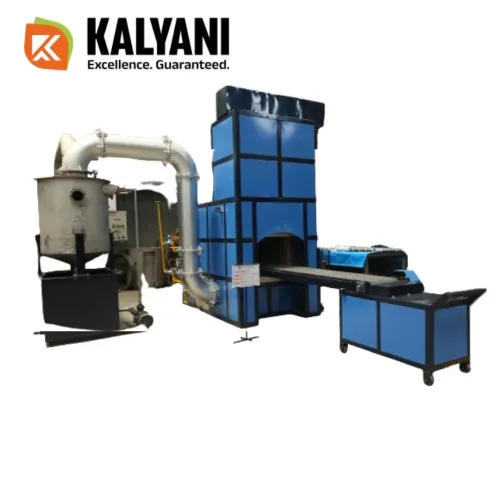

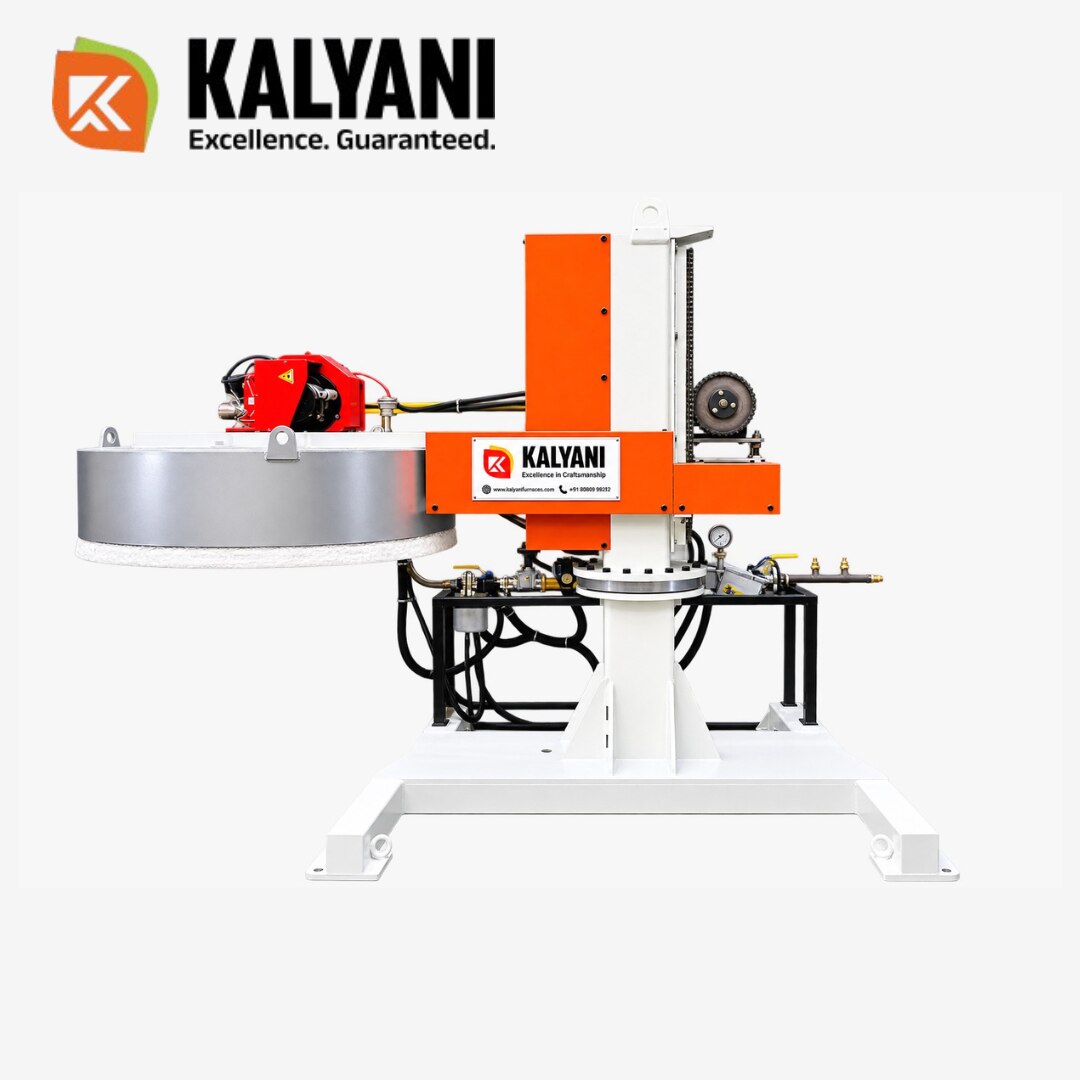
A ladle preheating furnace must heat the steel shell and refractory evenly, remove moisture safely, and return each ladle to a verified operating condition within the production cycle. By the end, you will be able to compare heating technologies, calculate the real thermal load, specify the required controls, and evaluate suppliers without relying on nominal ladle capacity alone.
Key takeaways
- Validate a dry, uniform ladle temperature before molten aluminium contact.
- Choose gas, electric or induction heating against throughput and cleanliness needs.
- Size around loading, heating, holding, unloading and turnaround time.
- Specify temperature measurement, interlocks, ventilation and emergency isolation.
What the ladle must achieve before it contacts molten aluminium
A ladle must be dry, uniformly heated through its working lining, and within a validated temperature window before it contacts molten aluminium. Preheating drives out absorbed or trapped moisture; otherwise water can flash to steam and eject metal. It also reduces thermal shock, premature freezing and cold shuts caused by a cold refractory surface.
Specify the thermal condition as a measurable lining requirement, not “preheat to temperature”:
- State the target hot-face refractory temperature window, based on the lining material and aluminium process. Do not assume one universal temperature suits every aluminium foundry.
- Define where measurement applies: for example, the ladle’s working lining at the pouring zone and bottom, rather than the outer steel shell.
- Set a maximum temperature difference between measurement points so a hot rim does not conceal a cold base.
- Require confirmation of dryness after a new lining, repair or extended shutdown, with a controlled drying cycle before service.
- Record heat-up time, soak time and the instrument used, such as a calibrated thermocouple or infrared thermometer with a verified emissivity setting.
A ladle-sized aluminium foundry furnace is not automatically suitable: an aluminium foundry furnace selected for melting rate serves a different duty. For a preheating furnace, include shell mass, refractory mass and lining type in the heat load; sizing only from aluminium capacity can leave a cold ladle at startup.
Excessive preheat accelerates lining wear, oxidation and dross formation, so specify the validated window and repeatability.
Choose the heating method by throughput, cleanliness and control
Compare delivered energy per preheated ladle, not the heater or burner nameplate. Estimate Q = m·cp·ΔT for the ladle, refractory and fixtures, then add radiation, exhaust, standby and control losses. Two systems with the same rated kW can produce different operating costs.
| Option | Main strength | Main limitation | Best fit |
|---|---|---|---|
| Gas-fired, indirect | High throughput with no flame in the chamber | Requires combustion-air, exhaust and fuel-train control | Large ladles where fuel service is available |
| Electric-resistance or radiant | Clean heating and strong temperature uniformity | Higher electrical capacity and installed cost for large loads | Clean operations, smaller batches and precise recipes |
| Immersion heater | Efficient heat transfer through a purpose-built circulating medium | Unsuitable for direct refractory heating unless specifically engineered for the ladle | Specialised air-circulation designs, not a default choice |
| Direct burner-based | Rapid heat transfer and compact equipment | Flame impingement, combustion gases and hot spots can damage lining | High-throughput cycles with carefully controlled burner placement |
For a gas-fired foundry ladle preheating furnace, require burner turndown, flame supervision, purge sequencing, fuel shutoff, combustion-air control and an independent high-temperature limit. Poor turndown drives repeated overshoot.
Choose electric resistance when aluminium cleanliness and repeatability outweigh peak throughput. Choose direct burners when cycle demand is high and exhaust can be safely managed. A cover reduces losses in either design, but it must clear handles, allow exhaust and accommodate expansion.
Require recipe-based control for each ladle size and lining. Record identification, heat-up time, soak time, measured temperatures, alarms and operator overrides.
Size the furnace around the complete ladle cycle
Size the furnace from the ladle’s complete thermal cycle, not its nominal aluminium capacity. A cold ladle’s steel shell and refractory lining can create most of the initial heat load, so a furnace sized only by tonnes of molten metal may miss the required heat-up time.
| Sizing input | Specify | Why it changes furnace size |
|---|---|---|
| Ladle geometry | Shell diameter, height, lip, spout, trunnions, lugs, handles and cover | Determines chamber opening, roof clearance, support layout and usable heating-zone volume |
| Mass and lining | Empty shell mass, refractory mass, lining material and thickness | Sets the energy required for the cold start and influences heat-up rate |
| Thermal cycle | Starting temperature, target lining-temperature window, heat-up time and soak time | Establishes burner or electrical capacity and temperature-control demands |
| Production pattern | Ladles per shift, cycles per ladle, turnaround time and standby periods | Determines recovery capacity and whether one furnace can serve the line |
| Heat losses | Door-opening frequency, exposed surfaces, insulation condition and ambient conditions | Prevents an apparently adequate furnace from falling behind during production |
State the measurement location with the target: for example, the lining hot face at the specified working zone, not merely “preheat to temperature.” Include enough clearance for loading equipment and attached burners; interference can leave the ladle partly outside the chamber, increasing heat loss and creating a handling hazard.
Treat a ladle preheating furnace as aluminium foundry equipment for refractory conditioning, not as a small melting furnace. Its capacity must deliver repeatable lining heat-up, moisture removal and turnaround across the busiest shift.
Specify loading, measurement and safety controls before buying
A foundry ladle preheating furnace must handle the ladle safely through loading, heating, soaking and removal. Specify it as conditioning equipment, not as a small melting furnace: its priorities are refractory heat-up, moisture removal, temperature uniformity and repeatable cycle control, unlike an aluminium melting furnace selected for charge rate and holding capacity.
1. Define loading around the real ladle. State shell diameter, height, empty mass, refractory mass, spout and handle clearance, door opening, floor loading, and whether a crane, trolley or powered roller enters the chamber. Provide a stable locating fixture, drainage access and enough clearance to inspect the lining before heating.
2. Specify the complete cycle: starting temperature, target lining-temperature window, heat-up time, soak time, cycles per shift and turnaround time. Include repair dry-out requirements; a lining that needs prolonged drying can reduce availability.
3. Require measurement at the lining surface or wall location that controls the process, not only an air-temperature display. Use a calibrated thermocouple or infrared pyrometer, cycle recorder, high-temperature alarm and over-temperature shutdown. State the permitted temperature spread between measured zones and require verification after installation.
4. Make moisture control a purchase condition. Provide inspection access, a procedure or interlock that rejects a wet ladle, flame-failure detection, fuel shutoff, door or access interlocks, exhaust monitoring, emergency stop and guarded hot surfaces. Residual water can flash to steam and eject aluminium.
These controls distinguish useful aluminium foundry equipment from a furnace that merely produces heat.
Turn the selection into a testable supplier specification
Require every quotation to state the delivered result, not only burner or heater capacity. A ladle preheating furnace manufacturer should distinguish this duty from an aluminium foundry melting furnace: the test concerns refractory heat-up, moisture removal, temperature uniformity, handling and repeatable cycles, not tonnes melted per hour.
Give KALYANI FURNACES INDIA PVT LTD and competing bidders the same ladle data and acceptance criteria.
| Item | Supplier must state | Verification |
|---|---|---|
| Thermal result | Validated ladle-wall or lining-temperature window, measurement location, uniformity limit and soak time | Record readings at defined points with a calibrated thermocouple or pyrometer during a witnessed test |
| Cycle | Shell and refractory masses, starting temperature, heat-up time, turnaround time and cycles per shift | Run a cold ladle through the specified cycle and compare timestamps |
| Energy | Fuel or electricity consumed per ladle, including standby and exhaust losses | Measure input energy across several complete cycles; do not compare nameplate kW |
| Handling and safety | Ladle dimensions, loading method, drainage, inspection access and wet-ladle interlock or procedure | Demonstrate loading, alarm response and rejection of a wet ladle |
| Maintenance | Lining material, repair method, thermal-cycle life and post-repair drying time | Inspect the lining specification and require documented repair and drying instructions |
Put the result, drawings, control logic, calibration certificates and factory-acceptance-test procedure into the purchase order. Reject a quotation that promises “preheat to temperature” without naming the temperature window and measurement point. A furnace that cannot prove repeatability is not a controlled process.
Related product
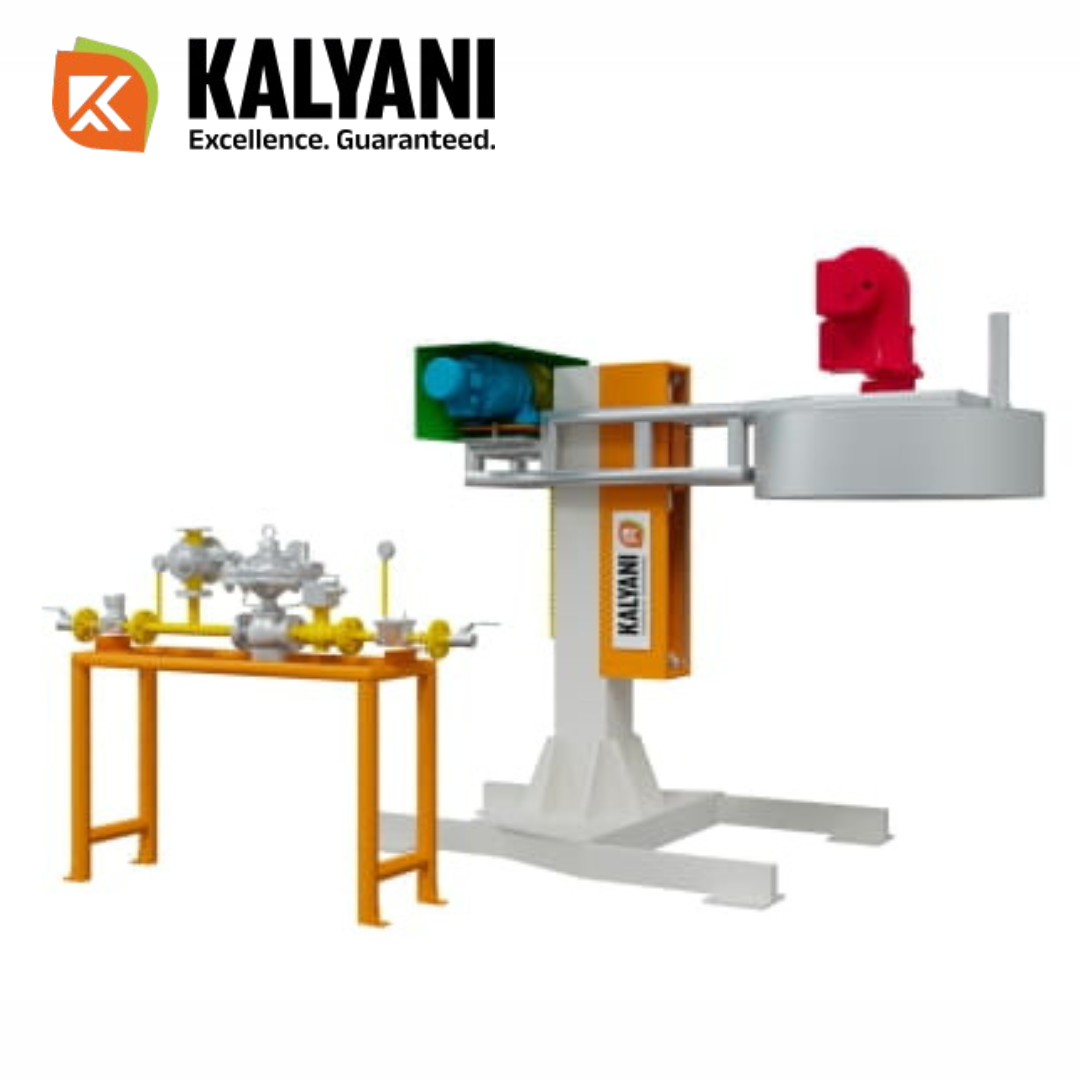 | Foundry Equipment Foundry Ladle Preheating Furnace Product Overview Kalyani Furnaces India Pvt. Ltd. is a leading Foundry Ladle Preheating Furnace manufacturer based in Pune, India, established in... |
Frequently asked questions
What must an aluminium foundry ladle achieve before contacting molten aluminium?
The ladle must be dry, uniformly heated through its working lining, and within a validated temperature window. This removes moisture, limits thermal shock and reduces premature freezing and cold shuts.
How should you choose a ladle preheating furnace heating method?
Compare gas, electric and induction heating by ladle throughput, combustion cleanliness, temperature uniformity, controllability, installation requirements and operating environment.
How do you size a ladle preheating furnace?
Calculate the complete ladle cycle: loading, heating, soaking or holding, unloading, return and turnaround. Size capacity and output around the number of ladles processed during the required production interval.
Which controls should you specify before buying aluminium foundry equipment?
Specify the loading arrangement, temperature sensors and display, programmable heating controls, high-temperature cut-out, door or access interlocks, ventilation, guarding and emergency isolation.