
Cold spots in a ladle can come from a blocked burner, wet refractory, poor positioning, weak exhaust or a control sensor that is reading the furnace rather than the lining. You will be able to identify the heating pattern, choose between a dedicated ladle preheater and a general industrial furnace, and specify a test that proves the coldest area is safe before molten aluminium enters.
Key takeaways
- Map cold spots before increasing burner capacity.
- Compare shell temperature with lining temperature to detect incomplete drying.
- Use a dedicated ladle preheater for repeatable, controlled heating cycles.
- Specify ladle dimensions, fuel, temperature targets and exhaust conditions before buying.
What does the cold spot reveal about a ladle-heating fault?
Cold spot location is diagnostic, not a reason to add burner capacity. Map it before changing settings: a hot shell with a cold lining also means drying is incomplete.
| Location | What it points to | Check |
|---|---|---|
| Bottom centre | Inadequate bottom heat, poor ladle seating, thick or wet lining, or blocked lower circulation | Confirm base clearance, lining condition, and lower flame or element coverage |
| Lower sidewall | Poor burner-to-ladle geometry, an exposed side, or insufficient wall-zone output | Check alignment, insulation, and wall-zone balance |
| Upper wall, lip or spout | Excessive door or lid gaps, air infiltration, or a flame pattern bypassing the rim | Inspect seals, hood fit, flame shape, and rim coverage |
| Inner lining colder than outer shell | The shell heated faster than the refractory; a hot exterior does not prove that the lining is dry | Measure both surfaces and extend drying or soak time |
For ladle preheating furnace problems, inspect flame impingement, blocked flue paths, inadequate exhaust draft, incorrect ladle positioning, short soak time, damaged refractory, and excessive air infiltration. An unstable or bypassing flame can overheat one patch while leaving the cold zone unsafe.
Increasing total kW without correcting these asymmetries creates a refractory hot spot, not uniform heating. Use independently controlled bottom and wall zones, then adjust the affected zone after a multi-point survey instead of relying on one furnace-air sensor.
When is a dedicated ladle preheater better than a general industrial furnace?
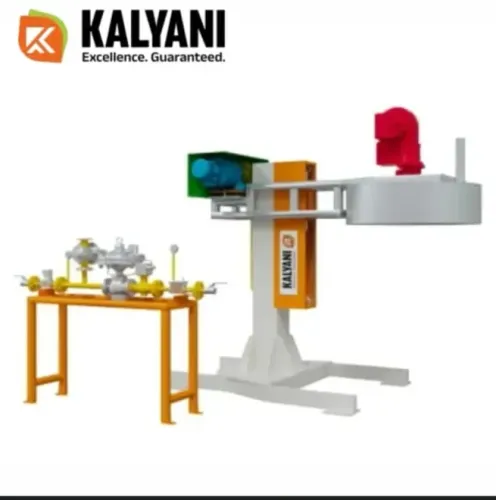
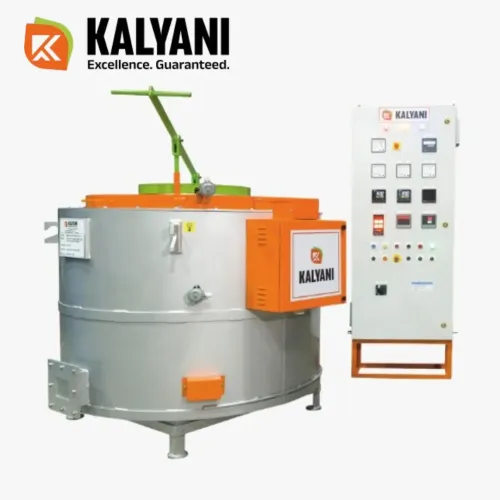
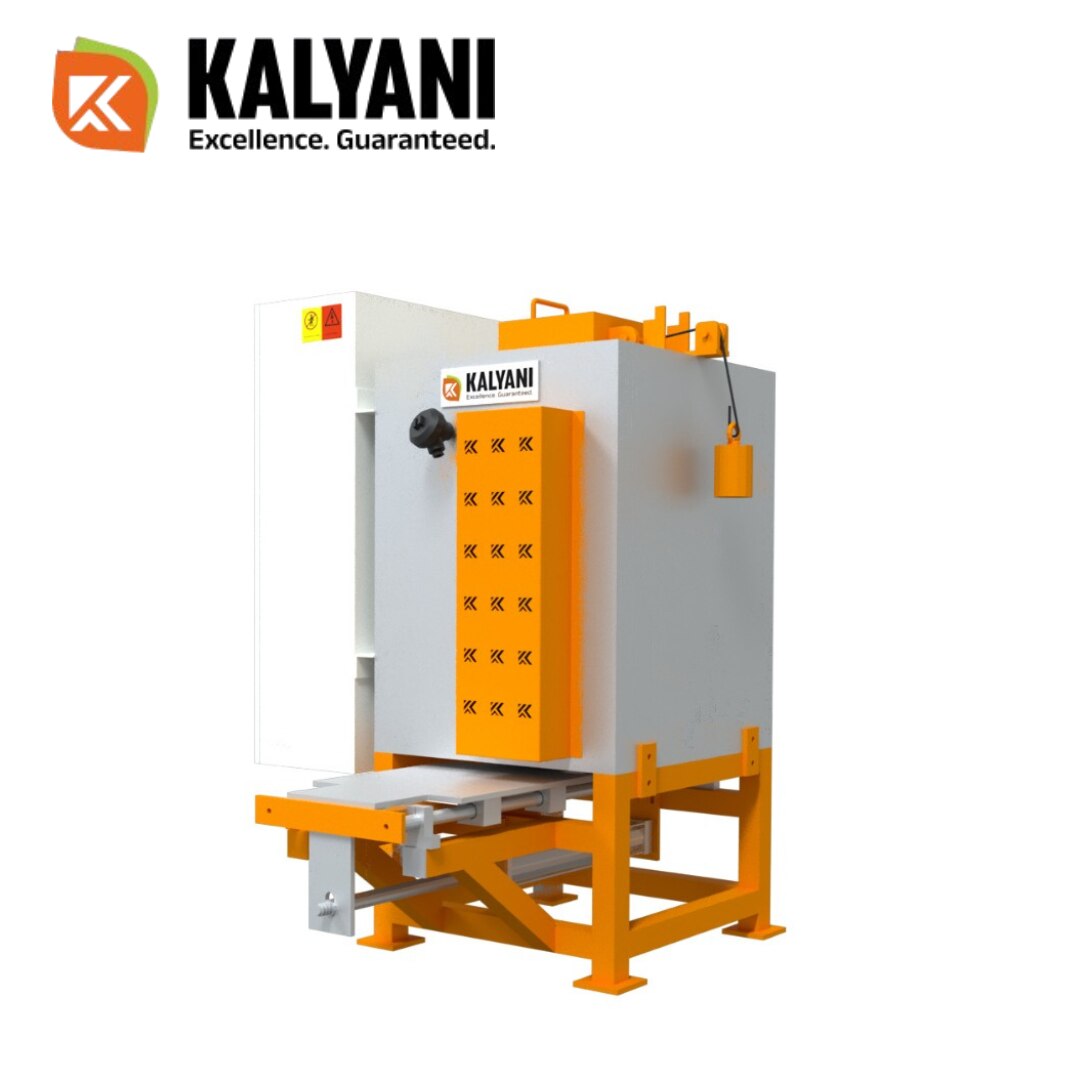
Choose a dedicated ladle preheater when the load is an empty ladle with repeatable dimensions and the process depends on controlled refractory drying, bottom heating, distributed wall heating, safe loading access and repeatable soak cycles. Its thermal pattern is designed around the ladle, not around a changing product mix.
Dedicated ladle preheater | General industrial furnace Enclosure geometry | Tall, close-fitting chamber follows the ladle profile | Larger clearance suits varied loads Loading aperture | Sized for safe ladle placement and removal | Wider opening accommodates castings, tools and crucibles Heat circulation | Bottom and wall zones direct heat to refractory surfaces | Broad circulation serves multiple product shapes Burner or element placement | Independently controlled burners or electric elements target cold zones | Fixed placement may leave ladle surfaces outside the pattern Temperature control | Separate zones support drying ramps and repeatable soak cycles | General setpoints can prioritise chamber air over lining temperature Changeover effort | Low when ladle dimensions remain consistent | Lower overall flexibility if tooling or fixtures must be changed
A multi-zone arrangement can combine bottom heat, distributed wall heat, a suitable hood and controlled exhaust without simply increasing total kW. Optional rotation reduces circumferential gradients, but it cannot repair a cold bottom; guard the drive and interlock it so rotation cannot start with the ladle incorrectly seated.
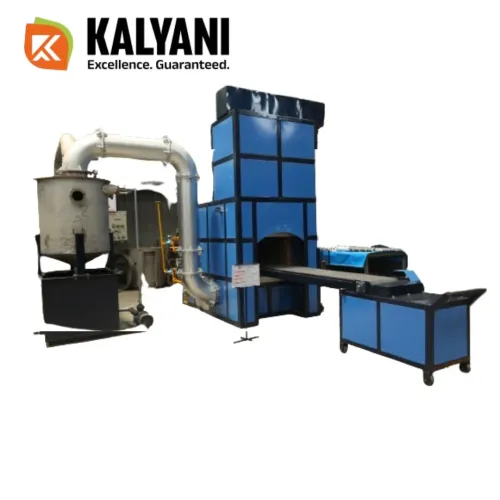
Choose a general industrial furnace when you regularly heat castings, tools, crucibles or products with different shapes and clearances. It becomes a poor substitute when its chamber leaves the ladle bottom or spout outside the effective heat pattern. An industrial furnace in Bengaluru still needs ladle-specific geometry if uneven heating is the problem.
How should you measure whether the ladle lining is uniformly heated?
A single sensor near the burner proves furnace-air temperature, not uniform ladle lining temperature. For an uneven ladle heating solution, survey the ladle after the planned heat-up and soak, using the same measurement points and acceptance limit each cycle.
Inspect before heating. Look for:
- Cracks, bottom cavities, loose refractory, oil, scale, water and attached tools
- Lining thickness and moisture condition, including recent repairs or patches
- Correct ladle seating and clear access to the measurement surfaces
Use a calibrated contact thermocouple where practical. Otherwise, use an infrared thermometer on clean, consistent surfaces and record the emissivity setting. Infrared readings depend on emissivity, and they cannot reliably measure a hidden interface inside the refractory.
Measure the bottom centre, lower sidewall, upper sidewall, opposite side, lip and spout area. Record the coldest point, hottest point and maximum-to-minimum spread, then compare the spread with the foundry’s acceptance limit. Repeat the survey across cycles to test repeatability.
Label every reading as shell or refractory temperature. A hot shell does not prove that the lining is dry or hot through its thickness. The 300–600 °C range is only a starting reference for aluminium ladles; the lining supplier’s drying and service-temperature schedule takes precedence.
Do not apply a steel-ladle target of roughly 900–1,200 °C to aluminium service.
What inspection sequence fixes recurring ladle preheating problems?
Fix recurring ladle preheating furnace problems by inspecting the heat path in this order, rather than increasing total burner capacity or electrical rating.
1. Verify lining thickness, cracks, loose refractory and moisture. Check for oil, water and any recent repair or patch; a wet or thickened area can remain cold while the shell heats quickly.
2. For gas heating, check flame shape, fuel pressure, combustion-air ratio and flame supervision. Complete the programmed purge, ignition and shutdown safety sequence. For electric heating, measure element output and connected load, then inspect shielding and elements for aluminium-splash damage.
3. Confirm that the ladle is centred, seated at its designed height and clear of supports, tools or fallen refractory. Incorrect positioning changes burner-to-ladle geometry and can block lower circulation.
4. Inspect door and lid seals, hood fit, flue paths, exhaust draft and blocked openings. Excessive negative pressure can pull heat away, distort the flame and alter the heating pattern.
5. Check thermocouple location. Furnace air can reach setpoint while the lining remains cold; a sensor exposed to flame or direct radiation can end the cycle too early.
6. Identify the cold region before adjusting zone outputs, ramp rate, drying stage, soak time or exhaust settings. Direct heat to that region instead of creating another refractory hot spot.
7. Validate the uneven ladle heating solution with a multi-point survey, cold-spot temperature, cycle-to-cycle repeatability, fuel or kWh per cycle, safety-interlock operation and recovery time after loading a cold ladle.
What should you specify before buying equipment in Bengaluru?
Turn the fault pattern into a written procurement brief. “Industrial furnace in Bengaluru” is not enough: identical chamber sizes can heat different ladles very differently.
1. Give the supplier the ladle diameter, height, shell material, refractory type and thickness, lining supplier’s drying schedule, target temperature, batch frequency, and permitted temperature spread. Include empty and loaded moments if rotation is required, available gas pressure or electrical supply, ambient conditions, and exhaust restrictions.
2. Request a layout that identifies burner or element zones, bottom coverage, loading access, hood and flue path, sensor positions, interlocks and guarding. The drawing should show how the spout and ladle bottom remain inside the effective heat pattern.
3. Write the acceptance test into the purchase order. Measure heat-up time, coldest area, maximum-to-minimum spread, cycle repeatability, fuel or kWh per cycle, recovery after loading a cold ladle, and every safety-interlock operation.
4. Treat an industrial furnace ladle for heating problems in Bengaluru as a ladle-specific thermal design, not a larger chamber or higher kW rating. A specialist manufacturer is useful when burner geometry, bottom heating, rotation, exhaust and refractory drying must work as one system.
5. Discuss the measured geometry and process data with KALYANI FURNACES INDIA PVT LTD during design review, but require documented acceptance results rather than catalogue capacity. That evidence distinguishes uniform heating from excess installed power.
Related product
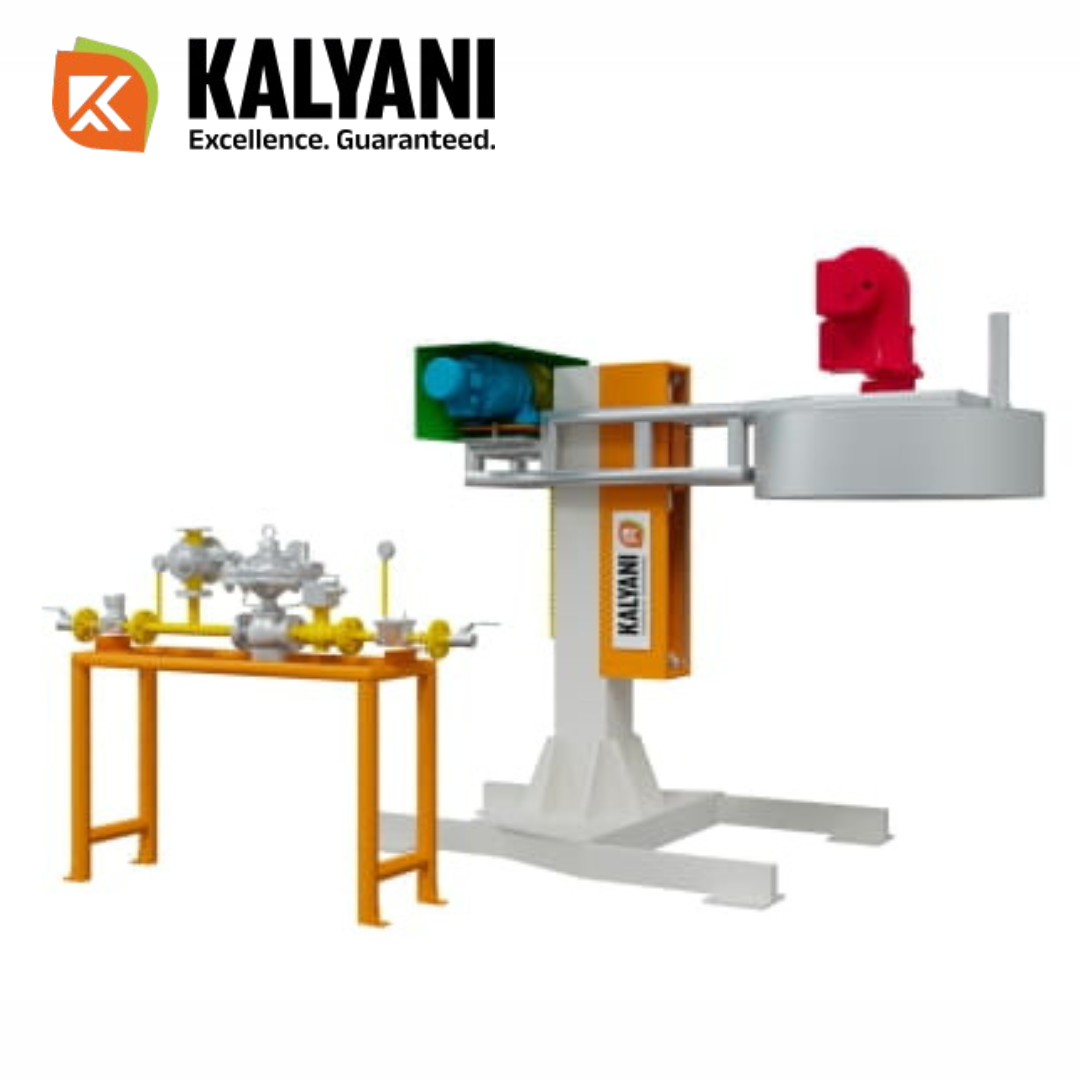 | Foundry Equipment Foundry Ladle Preheating Furnace Product Overview Kalyani Furnaces India Pvt. Ltd. is a leading Foundry Ladle Preheating Furnace manufacturer based in Pune, India, established in... |
Frequently asked questions
What does a cold spot reveal about a ladle-heating fault?
Its location helps identify blocked flame paths, burner imbalance, damaged insulation, poor lid fit or incomplete lining drying. A hot shell with a cold lining indicates heat has not penetrated the refractory.
When is a dedicated ladle preheater better than a general industrial furnace?
Choose a dedicated preheater when ladle dimensions, heating cycles and temperature targets repeat. It provides controlled flame coverage, easier loading and more consistent lining heating than a general-purpose furnace.
How should you measure whether the ladle lining is uniformly heated?
Record temperatures at the bottom, sidewall, slag line and lip using thermocouples or a calibrated infrared camera. Compare lining readings rather than relying on shell temperature alone.
What inspection sequence fixes recurring ladle preheating problems?
Inspect burner output and alignment, fuel pressure, refractory thickness, cracks, lid sealing, exhaust flow and thermocouple placement. Then run a mapped heating cycle and compare readings by zone.
What should you specify before buying equipment in Bengaluru?
Provide ladle capacity and dimensions, refractory type and thickness, target lining temperature, cycle time, fuel and pressure, power supply, loading method, exhaust route and available floor space.