
A cold or damp ladle can cause splash, premature freezing, unstable flow and misleading temperature readings at the first pour. You will learn how to separate those symptoms from furnace ignition, power, refractory, control and charge-preparation faults, then specify a safe preheat sequence and acceptance test.
Key takeaways
- Preheat ladles to remove moisture before adding molten aluminium.
- Use a measured ramp, soak and temperature check—not flame colour alone.
- Separate ladle heat loss from furnace ignition, refractory and control faults.
- Specify ladle size, fuel, temperature control and safety interlocks before buying.
Which startup problems can a ladle preheater actually solve?
A ladle preheater is one part of the startup system, not a cure for aluminium melting furnace startup problems or wider foundry heating problems.
It conditions the ladle so the first pour does not freeze prematurely, flow does not surge, transfer heat loss is lower, and a cold wall does not create a false low-temperature reading.
| Problem | What preheating changes | What to investigate |
|---|---|---|
| Cold or damp ladle | Reduces first-pour freezing, unstable flow and heat loss | Ladle temperature, lining condition and transfer distance |
| Furnace or burner fault | Nothing | Burner ignition failure, low gas pressure, failed heating elements, inadequate electrical capacity or poor tuning |
| Measurement fault | Nothing | Thermocouple error, control-loop response and sensor position |
| Process limitation | Nothing | Excessive refractory heat loss, poor charge preparation, excessive transfer time, blocked nozzles or insufficient furnace superheat |
Compare furnace heat-up time with ladle readiness. Record furnace refractory temperature, charge type and mass, burner or electrical output, ladle release temperature, melt temperature and tap-to-pour time; otherwise, you may mask the limiting fault with a preheater.
A hot ladle does not remove hydrogen or oxide films. Use clean, dry charge preparation, low-turbulence transfer, skimming and filtration, then perform separate inert-gas degassing with argon or nitrogen when hydrogen control is required.
How do you make a ladle dry and safe before aluminium enters it?
Visible dryness is not proof of safety. Water trapped inside porous refractory, a skimmer, tool, lining repair or scrap can flash to steam when molten aluminium contacts it and eject metal violently.
- Isolate the ladle and inspect the interior under good lighting. Reject it for cracks, spalling, loose lining, wet patches, damaged coating, blocked vents or exposed shell.
- Check the shell, handles, lifting points and welds for distortion, overheating or damage. Clean the lip, pouring spout and every part of the pouring path; scale or debris can redirect a metal stream.
- Follow the refractory supplier’s dry-out instructions, including its ramp, hold and cooling stages. Use a calibrated contact probe or infrared thermometer at multiple lining points, not just the shell exterior. Record the readings and use a moisture indicator or documented dry-out record where the site procedure requires one.
- Do not release a newly relined ladle because its outside feels hot. Chemically bound or absorbed moisture remains until a controlled schedule, based on the binder and lining thickness, has been completed; heating too quickly can also crack or spall the lining.
- Keep tools and scrap dry before they enter the ladle. If any inspection or moisture check fails, remove the ladle from service and repeat controlled drying rather than compensating with a hotter preheater.
This discipline prevents a wet-ladle incident that operators sometimes misclassify among foundry heating problems. A preheater supplies heat; it does not prove uniform lining dryness.
What preheat sequence, temperature and hold time should you use?
Use the refractory supplier’s minimum dry-out temperature, service temperature and hold requirement; there is no safe universal ladle setpoint. Lining material and thickness, ladle design, alloy, transfer distance, and whether the ladle holds, transfers or pours aluminium all change the requirement.
1. Inspect the furnace, ladle shell, lining, lip, vents, handles, lifting points and pouring path. Remove loose refractory, repair defects, confirm tools are dry, and verify the burner or electrical heater, thermocouple and interlocks before ladle preheater startup.
2. For a new or repaired lining, obtain the supplier’s dry-out schedule and ramp slowly through its stated stages. Keep the flame off the lining surface; impingement creates local overheating, cracks and uneven drying.
3. Heat under controlled conditions until multiple lining locations—not only the shell or lip—reach the supplier’s acceptance temperature. Hold for the specified time, record each reading and the elapsed time, and use a calibrated contact probe or infrared instrument with a known emissivity setting.
4. Release the ladle only when its measured temperature meets the validated site criterion. For routine service, reheat after a defined idle period or whenever any monitored lining location falls below that release temperature.
5. Before opening the furnace tap, confirm stable melt temperature, a clear transfer path, dry tools, correct ladle position and no personnel in the splash zone. Transfer without delay, then record melt temperature and tap-to-pour time; use those records to refine the site hold time.
How can you prove the fault is in the preheater rather than the melting furnace?
Prove the fault by isolating ladle preheater startup from furnace heat-up. If the ladle reaches its validated release temperature while the furnace remains unstable, the preheater is not the limiting device; if the ladle does not heat, troubleshoot it directly.
- Direct flame: check purge completion, ignition spark, flame-detector proof, gas pressure, air and gas nozzle condition, draft, fan operation and reset interlocks.
- Electric: check supply voltage and phase, connected load, heating elements, insulation resistance, contactors or SCRs, thermocouple drift and position interlocks.
Then return to the melting furnace. Verify burner tuning or electrical output, refractory heat-up, thermocouple calibration, charge mass and cleanliness, and control-loop response. A cold ladle can explain freezing or heat loss, but it cannot explain failed ignition, weak electrical output or a furnace temperature that never stabilises.
Keep a commissioning log for each cycle, recording ambient condition, furnace refractory temperature, charge type and mass, power or gas data, ladle lining condition, multi-point ladle temperature, melt temperature and tap-to-pour time. Compare furnace heat-up time with ladle readiness; otherwise, adding equipment can mask aluminium melting furnace startup problems.
Require repeated cold-start cycles with the actual ladle and lining. Prove stable temperature control, distribution across the lining and shutdown on flame loss, overtemperature, fan failure or incorrect position. One successful hot demonstration does not validate ladle preheater startup.
What should you specify when buying a ladle preheater in Bengaluru?
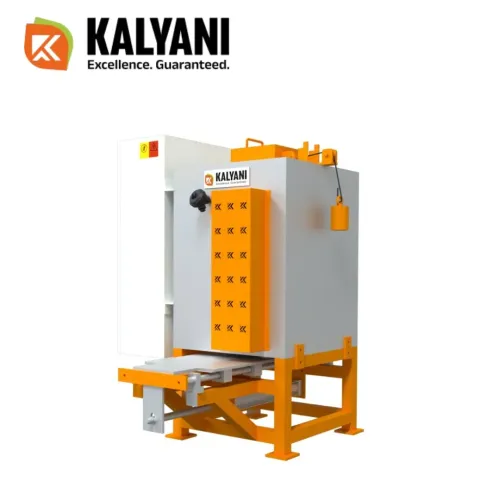
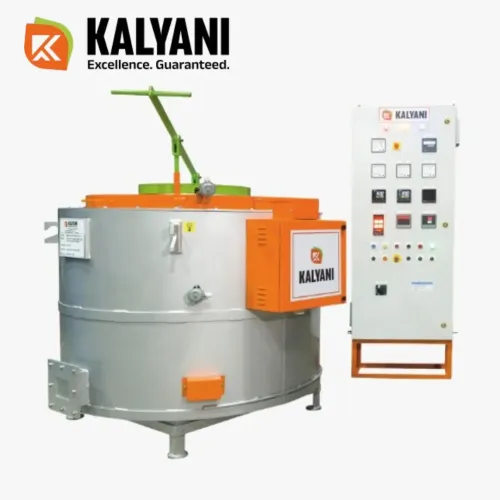
First decide whether “ladle for preheater in Bengaluru” means a heated ladle or a preheater built around your existing ladle. Do not accept an interchangeable quotation. State the ladle capacity, mouth and base dimensions, empty mass, refractory type and thickness, lifting points, handles, shell welds, and whether heating is direct flame or electric.
- Require a heating uniformity target, temperature-measurement locations, and a release criterion based on measured lining or shell temperature. A generic burner setpoint does not prove that the working lining is dry and evenly heated.
- For an aluminium melting furnace in bengaluru, record actual gas pressure and gas quality at the equipment connection. For an electric unit, specify supply voltage, phase, connected load and electrical short-circuit capacity. Confirm ventilation, exhaust, floor space, lifting path, service response, and spare burner or element availability.
- Require shutdowns for flame loss, overtemperature, fan failure and incorrect ladle position. Electric designs also need protection against energising an empty ladle, plus accessible element replacement and checks for insulation breakdown, thermocouple drift and contactor or SCR failure.
- Put a documented acceptance test in the purchase order: repeat cold starts with the actual ladle, prove purge and ignition, record multi-point temperatures, verify distribution and control stability, and demonstrate every shutdown. One successful hot demonstration proves little.
KALYANI FURNACES INDIA PVT LTD can be relevant when comparing a Bengaluru installation, but choose on measured temperature distribution, utility fit, safety interlocks and repeatable startup performance—not equipment availability alone.
Related products
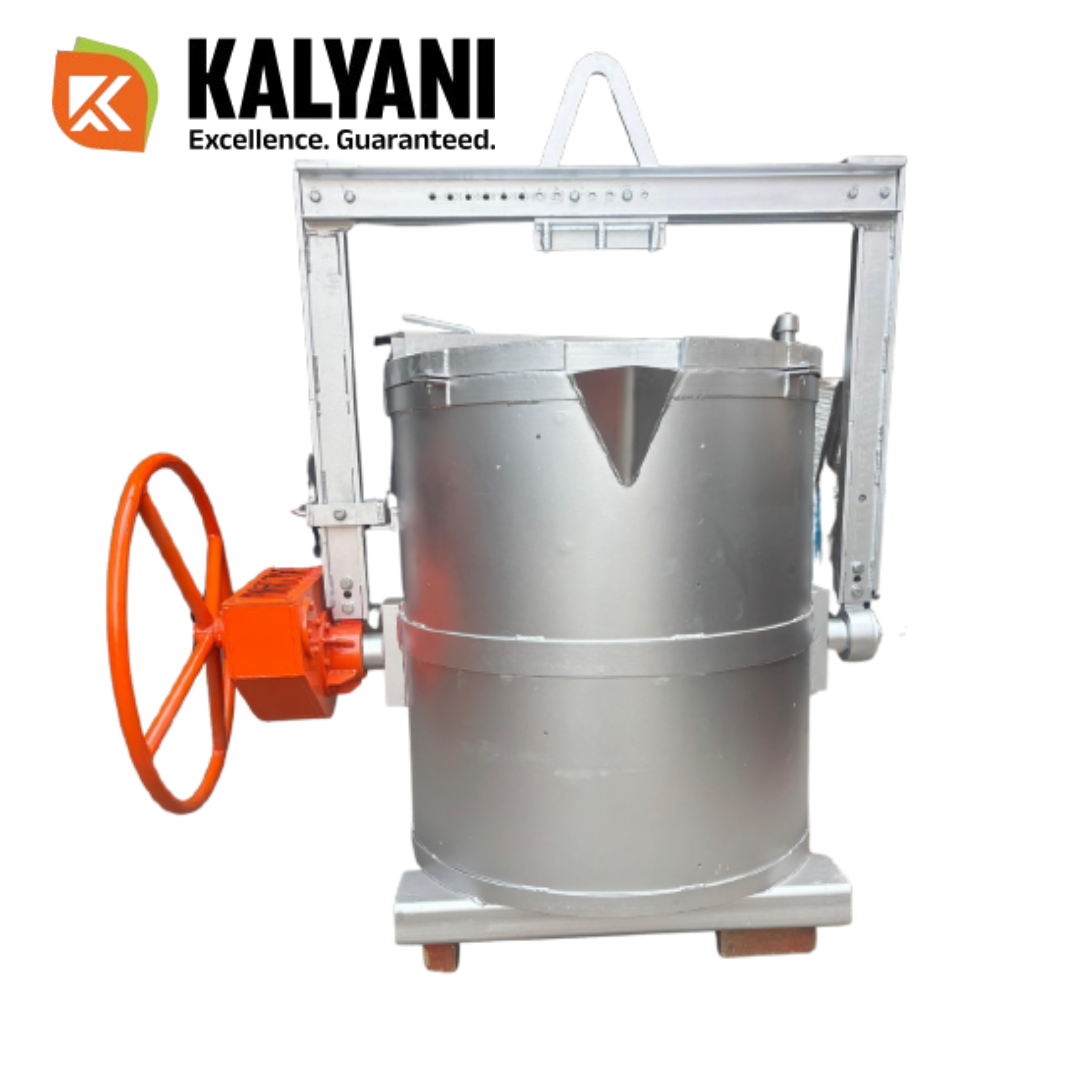 | Foundry Equipment Molten Aluminium Transfer Ladle Product Overview Kalyani Furnaces India Pvt. Ltd. is a leading Molten Aluminium Transfer Ladle manufacturer based in Pune, India. |
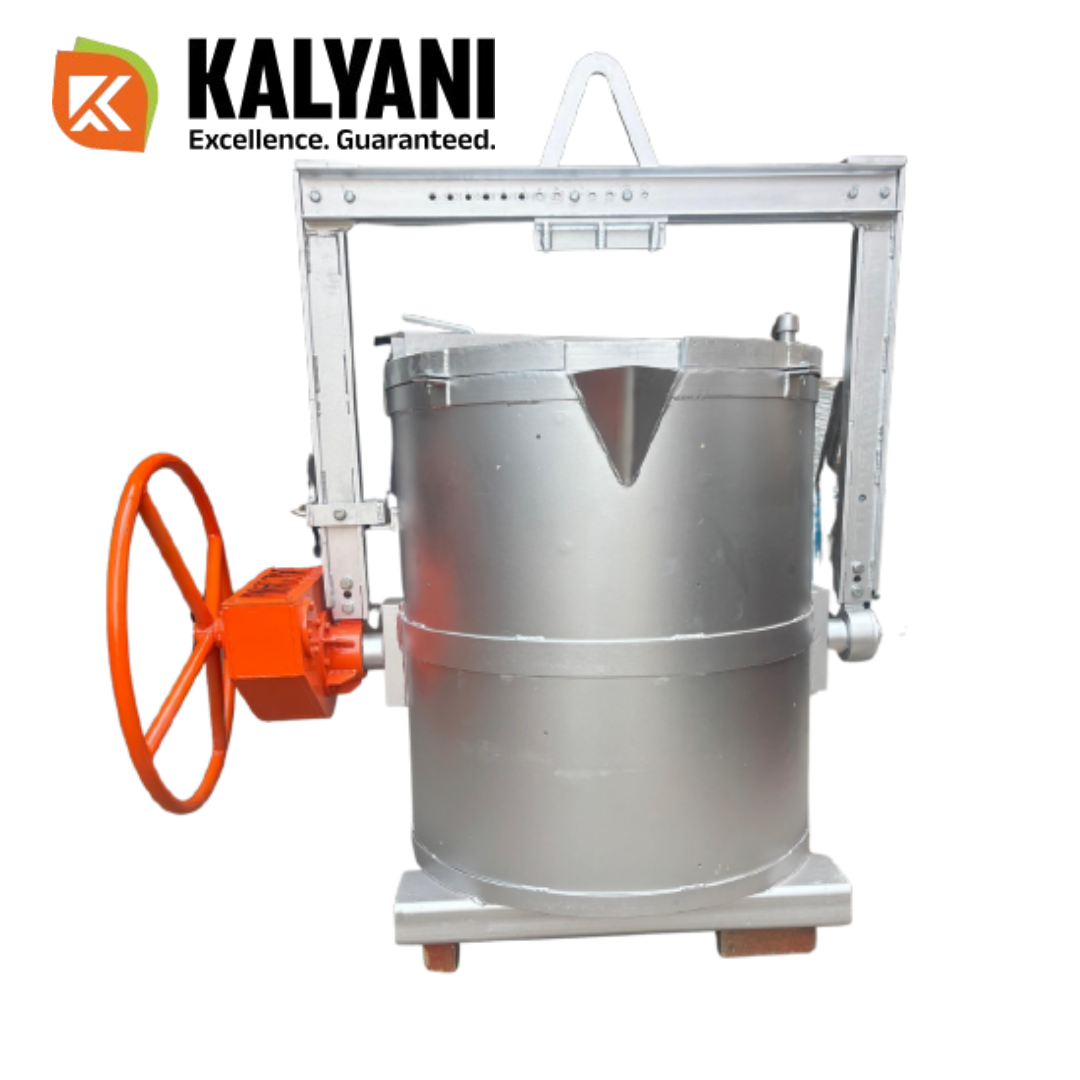 | Foundry Equipment Aluminium Transfer Ladle Product Description SEO-Optimized Product Content | Kalyani Furnaces India Pvt. Ltd. Product Overview Kalyani Furnaces India Pvt. Ltd. |
Frequently asked questions
Which aluminium melting furnace startup problems can a ladle preheater solve?
A ladle preheater addresses ladle moisture, cold refractory, thermal shock and excessive heat loss during transfer. It cannot correct furnace burner ignition failures, poor fuel pressure, damaged furnace lining, faulty thermocouples or incorrect control settings.
How do you make a ladle dry and safe before aluminium enters it?
Remove metal residue and inspect the lining, lip, bottom and lifting points. Dry the ladle gradually, then hold the lining at the supplier’s specified temperature until steam stops and the refractory is uniformly hot. Confirm dryness with a temperature reading and never pour aluminium into a damp, cracked or contaminated ladle.
What preheat sequence, temperature and hold time should you use?
Use a controlled warm-up, a slower ramp through the moisture-release range, and a soak at the refractory manufacturer’s specified operating temperature. The correct temperature and hold time depend on lining material, ladle size, moisture condition and fuel system, so record the setpoint, measured lining temperature and soak duration for each ladle.
How can you prove the fault is in the preheater rather than the melting furnace?
Test the systems separately: record fuel pressure, burner flame, thermocouple readings, controller output and ladle surface temperatures. If the furnace reaches its normal temperature while the ladle remains cold or unevenly heated, investigate burner alignment, insulation, rotation, thermocouple placement and heat loss in the preheater.
What should you specify when buying a ladle preheater in Bengaluru?
State ladle capacity and dimensions, lining type, target preheat temperature, heating rate, fuel or electrical supply, duty cycle, temperature uniformity, controls, interlocks, exhaust arrangement and available floor space. Ask the supplier for a commissioning test, operating procedure, maintenance schedule and spare-parts list.
Related products
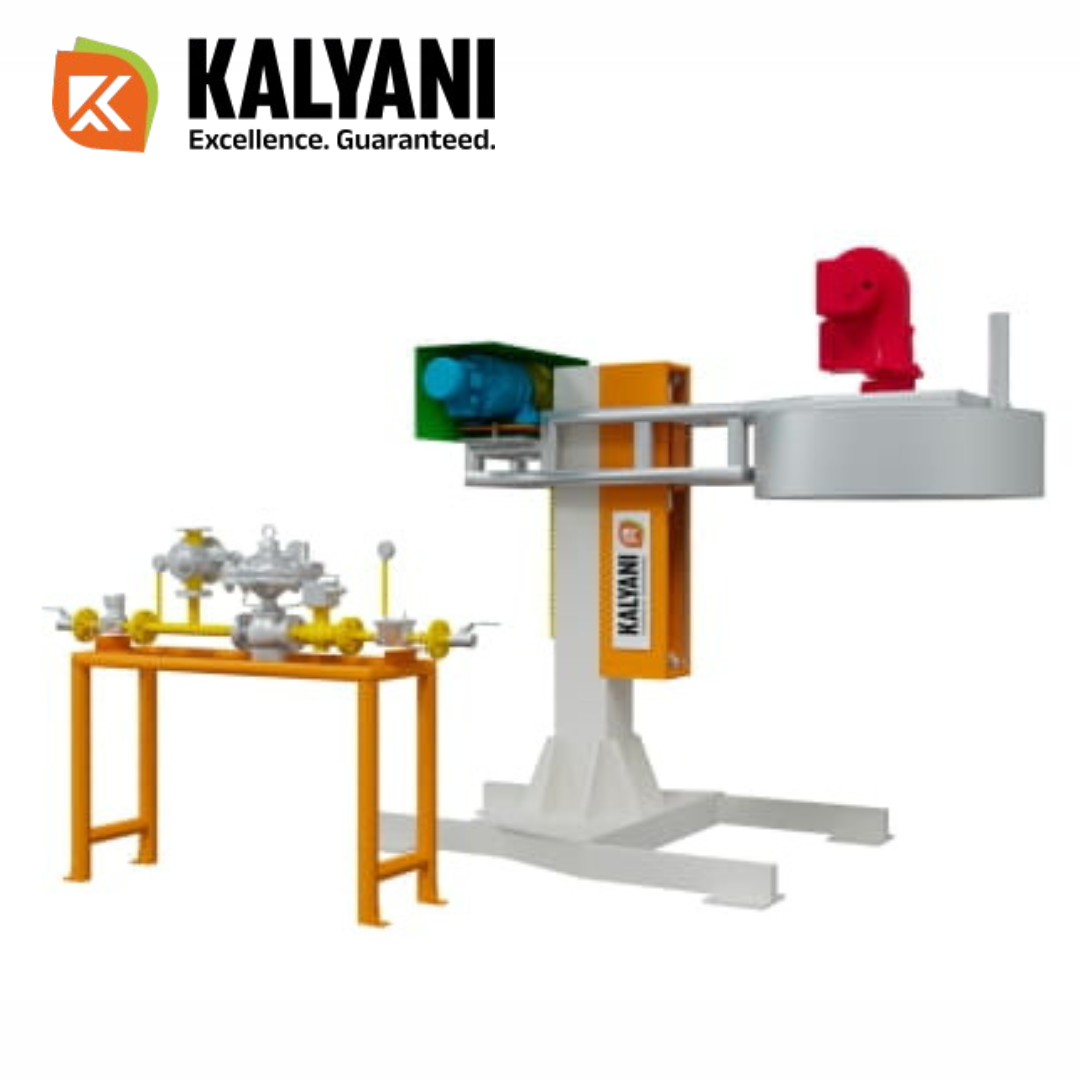 | Foundry Equipment Foundry Ladle Preheating Furnace Product Overview Kalyani Furnaces India Pvt. Ltd. is a leading Foundry Ladle Preheating Furnace manufacturer based in Pune, India, established in... |
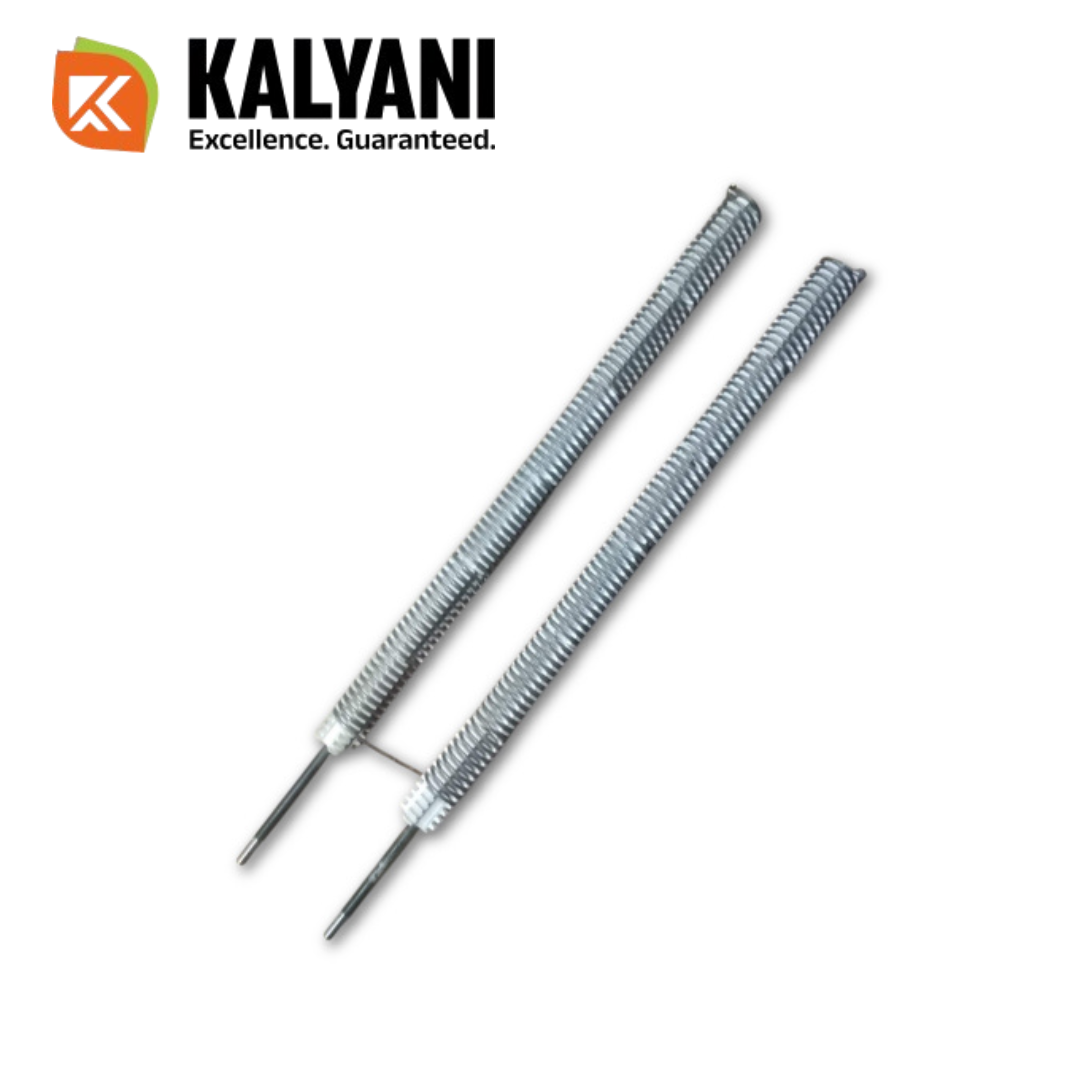 | Heating Elements Double Shank Heater Product Overview The Double Shank Heater is a high-performance industrial heating solution designed for efficient and uniform heating in aluminium... |