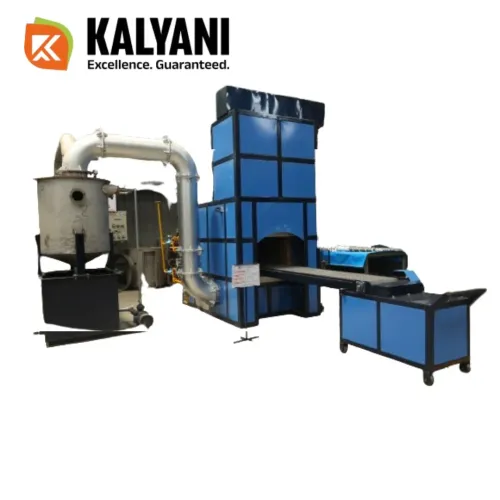

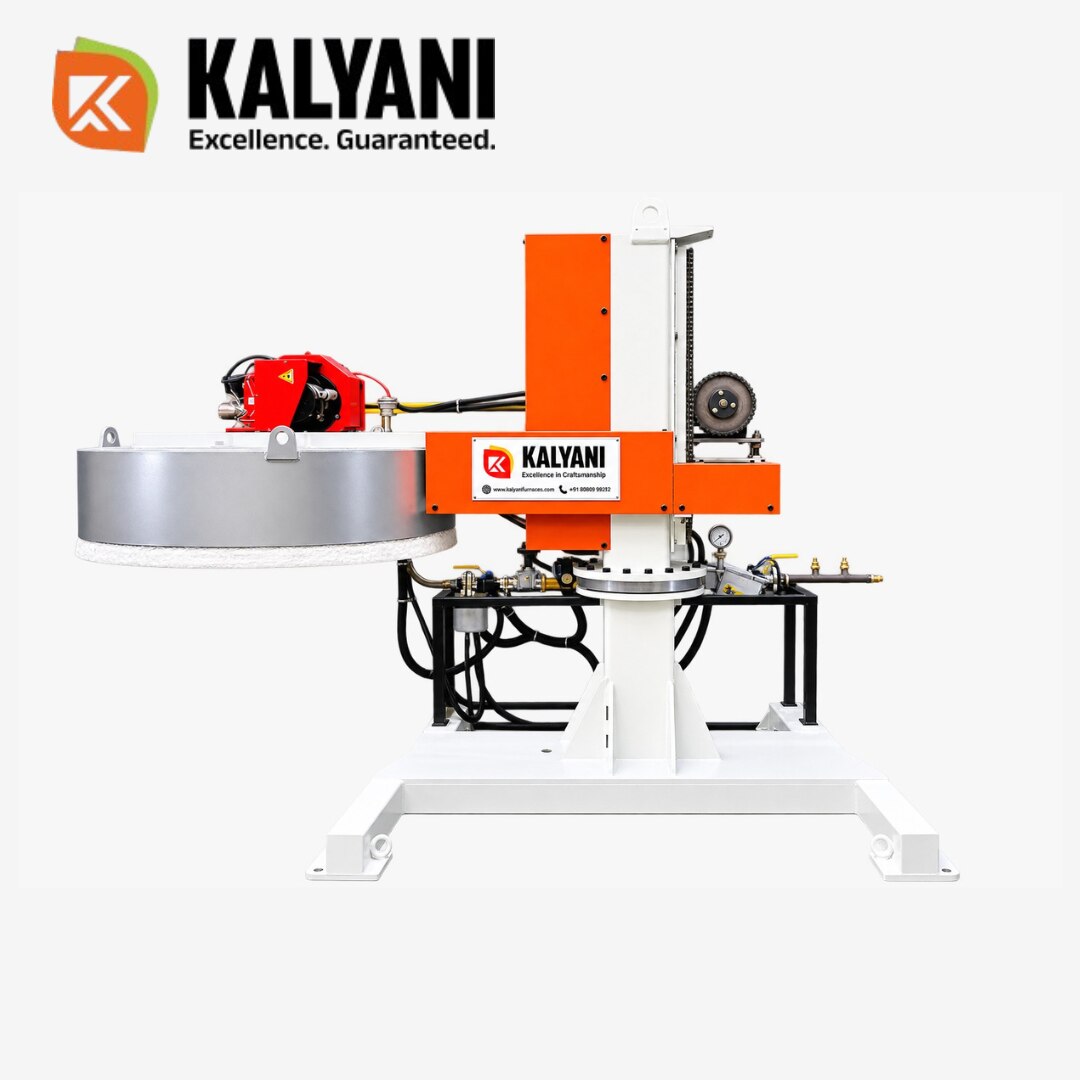
A ladle preheater must dry the lining, reach the required working temperature, and avoid overheating the shell or creating uneven thermal gradients. By the end, you will be able to turn your ladle dimensions, lining condition, production cycle, fuel options, and safety requirements into a specification that makes supplier quotations comparable.
Key takeaways
- Set temperature from the ladle lining and transfer-cycle requirements.
- Specify heat-up time, moisture removal and usable ladle capacity.
- Compare gas, oil and electric heating against your furnace arrangement.
- Put temperature uniformity, geometry and safety controls into the acceptance specification.
Set the Ladle Temperature from the Lining and Transfer Cycle
A ladle is preheated to keep molten aluminium from chilling on contact with cold refractory, causing thermal shock or premature solidification, and to limit heat loss during transfer. Drying also removes moisture: water flashing to steam can eject metal or cause an explosion, while moisture and hydrogen pickup contribute to porosity and other hydrogen-related defects.
Aluminium melts at about 660.3 °C; that is not the ladle setpoint. A ladle preheating furnace commonly operates around 150–500 °C, with the target set by the refractory type, coating, alloy, casting temperature, transfer distance, holding time and ladle condition.
Excessive heat increases oxidation, dross formation and lining damage, so one preheat temperature is not universal.
Use this checklist before selecting the furnace:
- Obtain the lining supplier’s drying schedule, maximum operating temperature and restrictions for repair patches, coatings and residual metal.
- Set the target from the lining temperature, then verify it at lower, middle and upper lining locations with calibrated contact thermocouples; do not use chamber-air temperature alone.
- Set a maximum shell temperature with the ladle and lining supplier. A hot shell can distort or damage its coating, while severe temperature gradients can crack the refractory.
- Increase the required lining temperature when transfer distance or holding time increases, and reduce it when the alloy, coating or casting process permits. Record the actual heat-up and cooldown cycle.
Specify Heat-Up Time, Moisture Removal and Ladle Capacity
Size a foundry ladle preheating furnace from the mass that must actually be heated, not from nominal ladle volume. Use Q = m·cp·ΔT, then add furnace-wall, door-opening and other heat losses. Set m from the empty-ladle mass, steel shell, lining thickness, repair patches and any residual frozen metal.
Convert production demand into a cycle requirement: divide the batch quantity by the ladles heated per shift, then include loading, unloading and temperature-stabilisation time. Specify capacity in ladles per hour and state the ladle’s mouth diameter, height, body dimensions, shell mass and lining construction. Equal-volume ladles can need different furnace capacities.
Require a measured heat-up curve for the actual ladle geometry, from ambient temperature to the required lining temperature. Installed kW or burner rating alone cannot prove performance.
Use a documented moisture-removal cycle:
- Controlled ramp: limit the heating rate to prevent steam pressure and refractory cracking.
- Drying hold: maintain the specified intermediate temperature long enough to remove free moisture; chemically bound water requires a higher, controlled hold.
- Final soak: hold the lining at target temperature until lower, middle and upper locations stabilise.
- Cooldown limit: prevent the ladle from falling below the approved temperature before aluminium charging.
Free moisture can flash to steam on molten-aluminium contact; chemically bound moisture can release during heating. Either failure can eject metal or damage the lining. Record actual cycle time, lining temperatures and the number of ladles completed per hour.
Choose Gas, Oil or Electric Heating and the Furnace Arrangement
Gas or oil suits high peak heat input and limited electrical capacity; electric resistance suits clean, tightly zoned heating. Compare the trade-offs before choosing a ladle preheating furnace.
| Method | Strength | Design cost or risk |
|---|---|---|
| Gas or oil | High peak input, lower connected electrical load; recirculating burners can heat quickly | Combustion products require exhaust, purge and controlled excess air; fuel trains, flame supervision and burners need maintenance |
| Electric resistance | No combustion products, simpler zoning and clean aluminium-contact surfaces; usually better temperature uniformity | Requires substantial connected load; elements need inspection, spares and protection from oxidation, contamination and thermal shock |
For direct firing, specify burner recirculation, controlled excess air and exhaust removal. Do not allow flame impingement on the shell or lining: local overheating causes uneven drying, refractory cracking and shell distortion.
Match elements to the actual temperature and atmosphere: FeCrAl or nickel-chromium suits moderate-temperature air service, while silicon-carbide or molybdenum-disilicide suits higher-temperature designs; the expensive option is not automatically better.
Choose the physical arrangement from handling and production pattern:
- Use a stationary chamber furnace for repeatable batch work and multiple ladles on a defined cycle.
- Use a cabinet-style unit when operators need accessible loading and unloading at floor level.
- Use a pit arrangement for heavy or deep ladles that require low lifting height and greater insertion depth.
- Use a portable ladle heater for low-volume work, dispersed bays or changing production locations.
Whichever arrangement you select, include a lid or hood, door-position interlock and independent over-temperature protection. An open top increases heat loss and operator-dependent variation.
Check Ladle Geometry, Temperature Uniformity and Safety Controls
Specify the actual ladle, not just its nominal capacity. The quotation must state whether the body is round or rectangular, its mouth diameter, lip and spout clearance, trunnions, lifting points, insertion depth, and whether heating is upright or tilted.
Include the lid or hood design: open-top operation increases radiant and convective losses and makes repeatability depend on the operator.
| Detail to compare | Require in the quotation | Failure if omitted |
|---|---|---|
| Heating coverage | Element or burner placement for lower, middle and upper lining zones | Upper-shell radiation can leave a deep ladle cold below |
| Temperature measurement | Chamber-air temperature plus calibrated contact thermocouples at lower, middle and upper lining locations | Air can reach setpoint while refractory remains cold |
| Infrared readings | Use only with an agreed emissivity and test method | Oxidation, coating and surface condition distort readings |
| Door or lid control | Position interlock and automatic closure where practical | Open operation causes heat loss and unsafe firing |
| Combustion safeguards | Purge, flame supervision, exhaust, emergency shutdown and loss-of-air or fuel response | Unburned fuel, smoke or flame failure can escalate |
| Independent protection | Separate over-temperature limit and safe loss-of-power response | A controller fault can overheat the ladle |
For combustion equipment, identify NFPA 86 requirements and those imposed by the local authority having jurisdiction. Compare this protection with electric equipment, which avoids combustion products but still needs ventilation, interlocks, over-temperature protection and moisture-cycle controls. Accept measured uniformity data on a representative aluminium foundry ladle, not installed kW or burner rating alone.
Turn Supplier Quotations into an Acceptance Specification
Compare a measured heat-up curve, not installed kilowatts alone. Ask each foundry furnace manufacturer to document:
- Burner capacity and turndown, fuel pressure, purge sequence, exhaust rate, or element type and rating
- Refractory grade, insulation thickness, shell-temperature limit, controller accuracy, thermocouple locations and calibration records
- Spare-part list, warranty exclusions and service response time
| Quotation item | Compare | Evidence to request |
|---|---|---|
| Heating cycle | Ramp rate, soak time, heat-up time and cycle quantity | Recorded curve using your ladle |
| Capacity | Ladles per hour plus loading and unloading time | Test data for the stated dimensions |
| Measurement | Lining temperature, chamber temperature and reading spread | Calibrated contact-thermocouple report |
| Safety | Interlocks, over-temperature trip, flame supervision and shutdown | Control narrative and test procedure |
State the ladle shell material, empty mass, lining chemistry and thickness, coating, mouth and body dimensions, target lining temperature, ramp rate, soak time, heat-up time, required cycle quantity and ambient conditions. Include the maximum shell temperature supplied by the ladle or lining provider.
Make acceptance depend on a representative ladle reaching the specified lining temperature without refractory cracking, excessive oxidation or uneven readings. KALYANI FURNACES INDIA PVT LTD is one foundry furnace manufacturer a buyer could ask to document these operating conditions for its foundry ladle preheating furnace, rather than comparing brochures by product name alone.
Related product
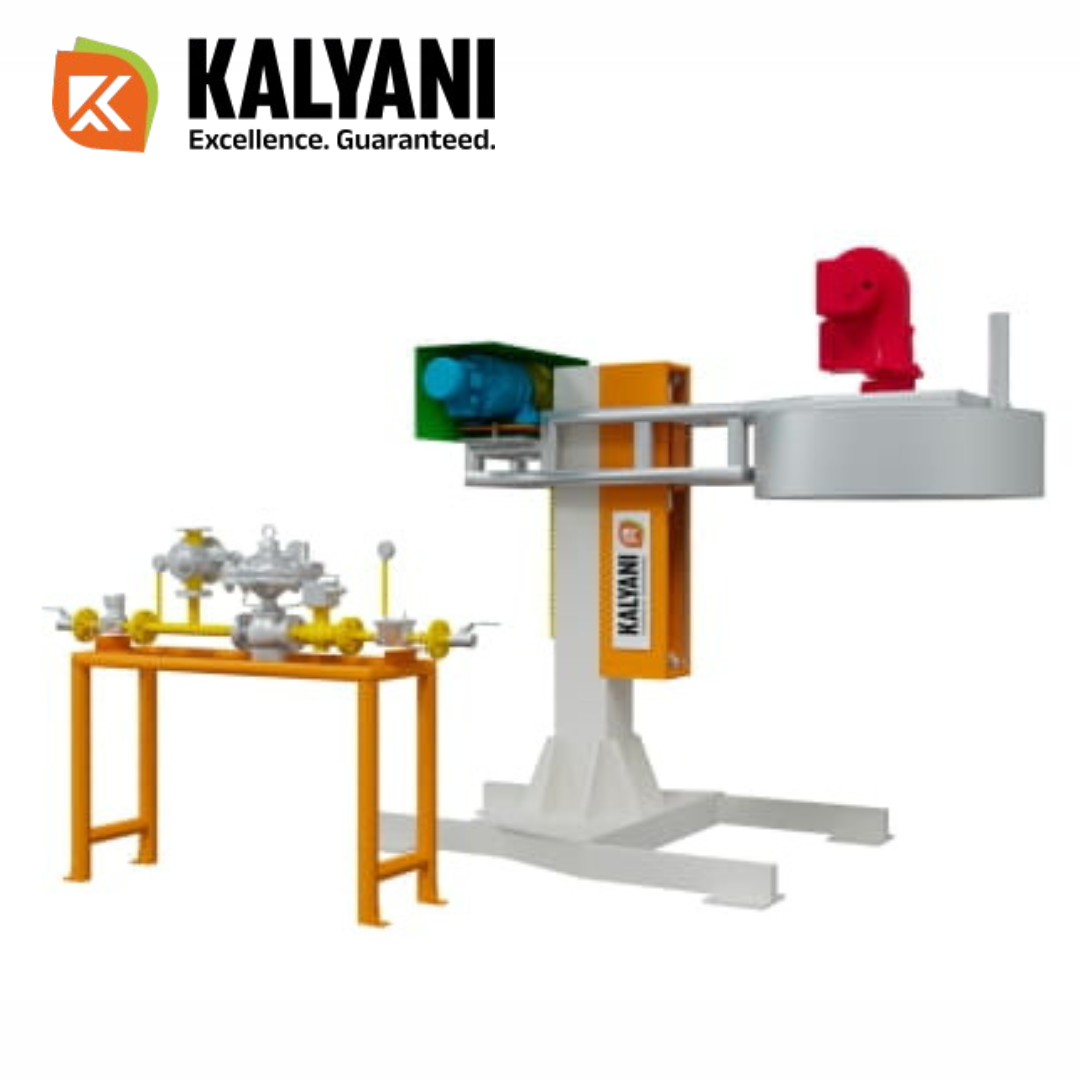 | Foundry Equipment Foundry Ladle Preheating Furnace Product Overview Kalyani Furnaces India Pvt. Ltd. is a leading Foundry Ladle Preheating Furnace manufacturer based in Pune, India, established in... |
Frequently asked questions
How should you set the ladle preheating temperature?
Set it from the ladle lining material, required moisture removal and time between preheating and molten-aluminium transfer.
What should a ladle preheating furnace specification include?
Specify heat-up time, moisture-removal requirements, ladle capacity, geometry, temperature uniformity and safety controls.
How do you choose between gas, oil and electric ladle heating?
Compare the available fuel or electrical supply, heating control, furnace arrangement, operating effort and required temperature uniformity.
Why do ladle geometry and temperature uniformity matter?
The furnace must heat the full lining and base without cold zones, while matching the ladle dimensions and loading arrangement.
What belongs in a ladle preheating furnace acceptance specification?
Record measurable requirements for capacity, heat-up time, temperature uniformity, moisture removal, controls and safe operation so you can test the quotation.